The warmth and ambiance of a crackling fireplace enhance any Windermere home, creating cherished memories and comfortable living spaces throughout cooler months. However, this beloved feature requires regular professional maintenance to operate safely and efficiently. Professional chimney cleaning removes dangerous creosote buildup, eliminates blockages, and ensures proper ventilation, protecting your family from fire hazards and toxic fumes while preserving your home’s structural integrity.
The Chimney Safety Institute of America reports that dirty chimneys cause over 25,000 residential fires annually, resulting in more than 125 million dollars in property damage. These preventable disasters often stem from creosote ignition, a highly flammable substance that accumulates naturally during wood burning. Regular professional cleaning represents your first line of defense against these devastating events.
Understanding Creosote Formation and Dangers
Creosote forms whenever wood burns, particularly during incomplete combustion common in residential fireplaces. This tar-like substance condenses on chimney walls as smoke cools while rising through the flue. Three stages of creosote buildup present increasing dangers, from flaky deposits that trained professionals easily remove to glazed, hardened layers requiring specialized equipment and techniques for safe elimination.
The chemical composition of creosote makes it extremely flammable, capable of igniting at temperatures commonly reached during normal fireplace use. Once ignited, creosote fires burn intensely, reaching temperatures exceeding 2000 degrees Fahrenheit. These extreme temperatures can crack chimney liners, damage structural components, and spread fire to adjacent combustible materials within your home’s framework.
Beyond fire risks, creosote accumulation restricts proper chimney draft, causing smoke and dangerous gases to back up into living spaces. Carbon monoxide, an odorless and potentially lethal gas, poses particular danger when chimneys fail to vent properly. Professional cleaning ensures adequate airflow, protecting your family from both immediate and long-term health hazards associated with poor chimney ventilation.
The Comprehensive Chimney Cleaning Process
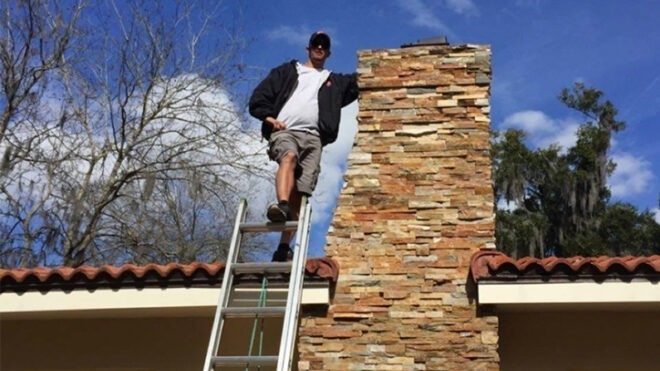
Professional chimney cleaning encompasses far more than simple soot removal. Certified technicians begin with thorough inspections, evaluating your entire chimney system from the firebox to the chimney cap. This assessment identifies existing damage, deterioration, or hazards requiring attention beyond routine cleaning, ensuring comprehensive system safety.
Specialized equipment designed specifically for chimney cleaning ensures thorough creosote and debris removal without damaging chimney liners or masonry. Professional-grade vacuums with HEPA filtration prevent soot and debris from entering your home during cleaning. Rotary cleaning systems with appropriately sized brushes remove stubborn deposits while preserving chimney liner integrity.
Technicians systematically clean all chimney components, including the smoke chamber, smoke shelf, damper assembly, and flue liner. They remove accumulated creosote, soot, debris, and any obstructions such as animal nests or fallen masonry. The service concludes with another inspection to verify cleaning effectiveness and identify any issues revealed during the process.
Identifying When Your Chimney Needs Professional Attention
Several indicators signal the need for professional chimney cleaning, though annual service remains the recommended minimum for active fireplaces. Dark, tar-like creosote visible inside your fireplace or strong, acrid odors emanating from the chimney area indicate dangerous accumulation levels requiring immediate professional attention.
Decreased draft performance manifests as smoke entering your room rather than rising through the chimney. This dangerous condition indicates partial blockage from creosote buildup, debris accumulation, or structural damage. Animals or birds near your chimney cap, or sounds within the chimney, suggest nesting activity that creates hazardous blockages.
White staining on exterior chimney bricks, called efflorescence, indicates moisture problems that accelerate deterioration and increase creosote accumulation. Chunks of creosote falling into your firebox signal advanced buildup requiring immediate professional intervention. Never ignore these warning signs, as delayed cleaning exponentially increases fire risk and potential damage costs.
Health Implications of Neglected Chimneys
Poorly maintained chimneys pose significant health risks beyond fire dangers. Carbon monoxide poisoning from blocked or damaged chimneys causes hundreds of deaths annually. This invisible, odorless gas bonds with blood hemoglobin more readily than oxygen, causing symptoms ranging from headaches and nausea to unconsciousness and death. Professional cleaning ensures proper ventilation, protecting your family from this silent killer.
Chimney blockages force smoke and particulates into living spaces, triggering respiratory problems, especially in children, elderly individuals, and those with existing conditions like asthma. Long-term exposure to wood smoke increases risks of lung disease, heart problems, and certain cancers. Regular professional cleaning maintains healthy indoor air quality by ensuring complete smoke evacuation.
Mold growth in moisture-damaged chimneys releases spores that circulate throughout your home via the chimney draft. These spores trigger allergic reactions, respiratory infections, and other health problems. Professional cleaning includes moisture assessment and recommendations for preventing conditions that promote mold growth, protecting both your chimney structure and your family’s health.
Windermere’s Climate Considerations
Windermere’s subtropical climate creates unique challenges for chimney maintenance. High humidity levels accelerate moisture absorption in masonry chimneys, leading to faster deterioration and increased creosote accumulation. Moisture combines with creosote to form acidic compounds that corrode metal components and deteriorate mortar joints, requiring vigilant maintenance to prevent extensive damage.
Frequent temperature fluctuations between warm days and cool nights cause chimney materials to expand and contract repeatedly. This thermal cycling creates cracks and gaps that allow moisture intrusion, accelerating deterioration. Professional cleaning includes inspection for weather-related damage, ensuring problems are identified and addressed before becoming serious safety hazards.
Hurricane season brings additional concerns for Windermere chimneys. High winds can damage chimney caps, allowing rain intrusion that accelerates deterioration and creates ideal conditions for accelerated creosote formation. Post-storm professional inspections ensure your chimney system remains safe and functional despite severe weather impacts.
Wood Selection and Burning Practices
The type of wood burned significantly impacts creosote formation rates and cleaning frequency requirements. Hardwoods like oak, maple, and hickory burn hotter and cleaner than softwoods, producing less creosote per cord burned. Well-seasoned wood with moisture content below 20 percent burns more completely, minimizing creosote formation compared to green or wet wood.
Proper burning practices reduce creosote accumulation between professional cleanings. Maintain bright, hot fires rather than slow, smoldering burns that produce excessive smoke and incomplete combustion. Never burn treated lumber, painted wood, or household trash, as these materials produce dangerous chemicals and accelerate creosote formation.
The Environmental Protection Agency recommends specific burning practices for minimizing emissions and creosote formation. These include using dry, seasoned wood, maintaining adequate air supply for complete combustion, and avoiding overnight burns that create slow, smoky fires. Following these guidelines extends time between required cleanings while maximizing heating efficiency.
Professional Versus DIY Cleaning Considerations
While homeowners can perform basic fireplace maintenance, professional chimney cleaning requires specialized knowledge, equipment, and safety protocols. Consumer-grade chimney cleaning tools cannot match professional equipment’s effectiveness, particularly for removing glazed creosote or accessing difficult areas. Improper cleaning techniques can damage chimney liners or leave dangerous deposits behind.
Professional technicians possess training in recognizing structural problems, code violations, and safety hazards that untrained individuals overlook. They understand different chimney construction types and appropriate cleaning methods for each. This expertise prevents damage during cleaning and identifies issues requiring repair before they become dangerous or expensive problems.
Safety concerns make professional service essential for chimney cleaning. Working on roofs presents fall risks, while creosote exposure poses health hazards. Professional technicians use appropriate safety equipment and follow established protocols protecting both themselves and your property. Their insurance coverage protects you from liability should accidents occur during service.
Additional Chimney Services and Maintenance
Professional chimney companies provide comprehensive services beyond basic cleaning. Annual inspections identify developing problems before they require expensive repairs. Chimney cap installation prevents animal intrusion and reduces moisture damage. Waterproofing treatments protect masonry from moisture absorption, extending chimney lifespan and reducing maintenance costs.
Chimney relining addresses damaged or deteriorated flue liners that compromise safety and efficiency. Modern liner materials improve draft performance while providing superior protection against heat transfer and corrosion. Professional installation ensures proper sizing and configuration for optimal performance and safety compliance.
Damper repair or replacement improves energy efficiency by preventing conditioned air loss when fireplaces are not in use. Top-sealing dampers provide superior sealing compared to traditional throat dampers while also functioning as chimney caps. Professional technicians recommend appropriate solutions based on your specific chimney configuration and usage patterns.
Understanding Inspection Levels and Frequency
The National Fire Protection Association defines three chimney inspection levels, each appropriate for different situations. Level 1 inspections, recommended annually for regular use, examine readily accessible portions of chimney structure and flue. These basic inspections identify obvious problems requiring attention and verify system safety for continued use.
Level 2 inspections become necessary when changing fuel types, after property transfers, or following weather events that may have caused damage. These comprehensive evaluations include video scanning of flue interiors and inspection of concealed areas within attics, crawl spaces, and basements. This detailed assessment ensures complete system evaluation when conditions change or damage is suspected.
Level 3 inspections involve removing chimney components for detailed evaluation when serious hazards are suspected but cannot be confirmed through less invasive methods. These investigations might include removing chimney crowns, walls, or other components to assess hidden damage. Professional technicians recommend appropriate inspection levels based on system history, observed conditions, and specific concerns.
Insurance and Property Value Considerations
Homeowner’s insurance policies increasingly require documented chimney maintenance for fire damage coverage. Insurance companies recognize that regular professional cleaning significantly reduces fire risks, with some offering premium discounts for proven maintenance schedules. Failure to maintain chimneys properly may result in claim denials should preventable fires occur.
Regular professional chimney service enhances property value and marketability. Home inspectors carefully evaluate chimneys during real estate transactions, with poorly maintained systems often requiring expensive repairs before sale completion. Documented professional maintenance history demonstrates responsible homeownership and may increase buyer confidence and offering prices.
Professional cleaning and maintenance records provide valuable documentation for warranty claims on chimney components or fireplace inserts. Manufacturers often require professional maintenance for warranty validity, making regular service essential for protecting your investment. Maintain detailed records of all professional services for insurance, warranty, and resale purposes.
Environmental Benefits of Clean Chimneys
Clean chimneys burn more efficiently, producing less smoke and air pollution than poorly maintained systems. Complete combustion facilitated by proper draft reduces particulate emissions that contribute to air quality problems. Communities with high fireplace usage particularly benefit from widespread chimney maintenance in reducing cumulative air pollution impacts.
Efficient burning from well-maintained chimneys maximizes heat output per cord of wood burned, reducing overall wood consumption. This efficiency translates to fewer trees harvested for fuel and reduced transportation emissions from wood delivery. Proper maintenance supports sustainable heating practices while minimizing environmental impacts.
Modern chimney cleaning practices emphasize environmental responsibility. Professional services properly dispose of creosote and soot rather than releasing these pollutants into the environment. Many companies recycle metal components and use environmentally friendly cleaning products when appropriate, minimizing service environmental impacts.
Your Windermere home’s fireplace should provide comfort and ambiance without compromising safety. ABC Cleaning Inc. delivers comprehensive chimney cleaning services using advanced equipment and proven techniques. Our certified technicians ensure your chimney operates safely and efficiently, protecting your family and property from preventable hazards. Contact ABC Cleaning Inc. today to schedule professional chimney cleaning and enjoy your fireplace with complete confidence in its safety.