
Indoor air pollution Orlando homes experience is often overlooked because the contaminants are invisible. Many homeowners assume pollution only exists outdoors, but indoor environments can contain a wide range of airborne particles and chemicals that affect air quality. Because people spend most of their time inside their homes, indoor air quality plays a major role in overall comfort and health.
According to the Environmental Protection Agency (EPA), indoor air pollutant levels can sometimes be significantly higher than outdoor pollution levels, particularly in homes where airflow is limited. Everyday household activities can introduce particles and chemicals that circulate through the air and HVAC systems.
Common Sources of Indoor Air Pollution
Indoor air pollution can come from many ordinary items found inside homes. These sources often release microscopic particles that remain suspended in the air.
Some of the most common contributors include:
- Dust and household debris
- Pet hair and pet dander
- Pollen carried indoors on clothing or shoes
- Cleaning chemicals and household products
- Cooking smoke and grease particles
When these pollutants accumulate indoors, they may circulate repeatedly through the home’s airflow system.
How HVAC Systems Circulate Indoor Pollutants
Heating and cooling systems move air throughout the house to maintain a comfortable temperature. As air travels through HVAC air duct systems, it carries airborne particles with it.
Each time the system turns on, dust and other pollutants may move through the duct system and exit through air vent openings in various rooms. Without proper maintenance, these particles may continue circulating through the home.
Common HVAC-related factors that influence indoor air pollution include:
- Dirty air filters
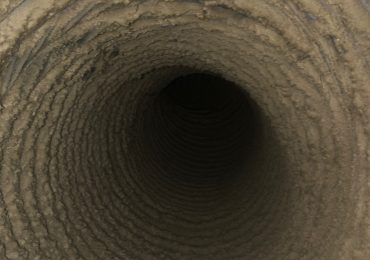
- Dust buildup inside air ducts
- Poor airflow circulation
- Infrequent HVAC maintenance
Maintaining these systems helps reduce airborne contaminants.
Signs Your Home May Have Indoor Air Pollution
Indoor air pollution often develops gradually. Many homeowners notice subtle warning signs before recognizing the source of the issue.
Excess Dust in Living Areas
Dust accumulating quickly on surfaces may indicate airborne particles circulating inside the home.
Persistent Odors Indoors
Lingering smells from cooking, cleaning products, or smoke may suggest poor air circulation.
Allergy Symptoms Inside the Home
Sneezing, congestion, or irritated eyes that occur mainly indoors may be linked to indoor pollutants.
Stale or Stuffy Air
Rooms that feel heavy or poorly ventilated may have limited airflow.
Identifying these signs early can help homeowners address indoor air quality issues.
Why Orlando Homes Can Experience Indoor Air Pollution
Homes in Orlando and throughout Central Florida often rely heavily on air conditioning systems due to the region’s warm climate. HVAC systems may run for long periods of time, circulating indoor air repeatedly.
Additionally, Florida’s outdoor environment contains pollen, dust, and organic material that can easily enter homes. When these particles accumulate indoors, they may circulate through the home’s airflow system.
Humidity can also contribute to mold growth, which may introduce additional airborne particles into indoor spaces.
Improving Indoor Air Quality
Several simple maintenance habits can help reduce indoor air pollution in homes.
Replace HVAC Filters Regularly
Clean filters help trap airborne particles before they circulate through the home.
Maintain Proper Ventilation
Allowing fresh air to enter the home occasionally can help dilute indoor pollutants.
Control Indoor Humidity
Balanced humidity levels reduce the likelihood of mold growth.
Schedule Airflow System Maintenance
Professional inspections help remove debris from HVAC airflow pathways.
These steps help support cleaner indoor air conditions.
The Role of Airflow System Maintenance
Over time, dust and debris can accumulate inside HVAC airflow systems. When air moves through these systems, particles may be redistributed into living areas.
Professional maintenance helps remove dust buildup and restore proper airflow. Keeping HVAC systems clean helps prevent pollutants from circulating through the home.
Long-Term Benefits of Reducing Indoor Air Pollution
Improving indoor air quality can benefit both homeowners and their families.
Some advantages include:
- Healthier indoor breathing conditions
- Reduced allergy symptoms
- Less dust accumulation on household surfaces
- Improved HVAC system efficiency
Maintaining cleaner indoor air contributes to a more comfortable home environment.
Frequently Asked Questions
Q: What causes indoor air pollution in homes?
A. Common causes include dust, pet dander, cleaning chemicals, pollen, and smoke particles.
Q: Can HVAC systems spread indoor pollutants?
A. Yes. Airflow systems can circulate airborne particles throughout the home.
Q: How often should HVAC filters be changed?
A. Many homeowners replace filters every one to three months depending on system use.
Q: Does humidity affect indoor air quality?
A. Yes. High humidity levels can encourage mold growth and increase airborne particles.
Q: Can indoor air pollution affect comfort in the home?
A. Yes. Polluted indoor air can contribute to odors, dust buildup, and allergy symptoms.
Internal Resources
- https://abc-cleaninginc.com/
- https://abc-cleaninginc.com/blog/#/
- https://abc-cleaninginc.com/services/
External Resources
- https://www.epa.gov/indoor-air-quality-iaq
- https://www.lung.org/clean-air/indoor-air
- https://www.cdc.gov/air/indoorair.htm
ABC Cleaning, Inc. proudly serves homeowners throughout the Orlando metro area with professional services designed to improve indoor air quality and HVAC system performance. Our experienced technicians help remove dust and debris from airflow systems so air can circulate more cleanly throughout your home. If you are concerned about indoor air pollution or excessive dust inside your home, contact ABC Cleaning, Inc. today to schedule professional service and improve the air quality in your living space.