Dryer vent moisture problems Orlando homeowners encounter can lead to inefficient dryer performance and potential household issues. Clothes dryers are designed to remove moisture from laundry and push that moisture outside through the vent system. When airflow becomes restricted or the vent system develops problems, moisture may remain trapped inside the vent pathway or laundry area.
According to the U.S. Department of Energy, a properly functioning dryer vent system should remove warm, moist air quickly from the home, allowing the appliance to operate efficiently. When moisture cannot escape properly, dryers must run longer cycles and may create humidity problems indoors.
How Dryer Vent Systems Remove Moisture
A clothes dryer works by circulating heated air through the drum where wet clothing is tumbling. As the heated air passes through the laundry, it absorbs moisture from the fabrics.
The moisture-laden air then travels through the dryer vent system and exits the home through an exterior vent opening. When the system is functioning correctly, the moist air leaves the house quickly and the dryer continues operating efficiently.
If any part of the vent system becomes restricted, moisture may accumulate inside the vent pathway.
Common Causes of Dryer Vent Moisture Problems
Several issues can prevent moisture from venting properly through the dryer system.
Lint Buildup
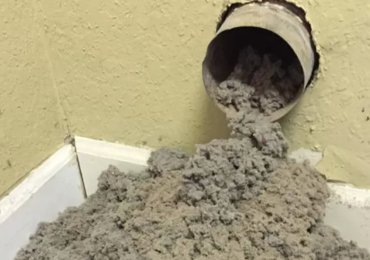
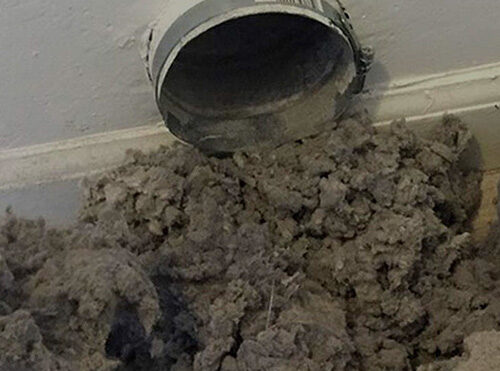
Lint accumulation inside the vent duct can restrict airflow and trap moisture inside the system.
Long or Complex Vent Pathways
Vent systems that include many bends or long duct runs may slow down airflow.
Damaged or Crushed Vent Ducts
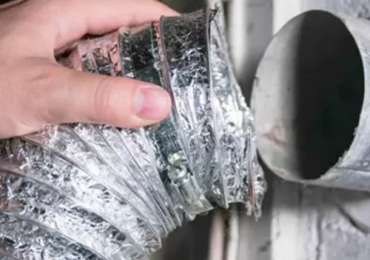
Flexible vent hoses can become bent or compressed behind the dryer, restricting airflow.
Exterior Vent Obstructions
Outdoor vent covers blocked by debris or nesting animals can prevent moist air from escaping.
These conditions allow moisture to remain inside the vent system rather than exiting the home.
Warning Signs of Dryer Vent Moisture Issues
Homeowners may notice several signs when moisture is not venting properly.
Clothes Remain Damp After Drying
Laundry that stays damp after a full cycle may indicate restricted airflow.
Excess Humidity in the Laundry Room
If the laundry area feels humid during dryer operation, moist air may not be venting properly.
Condensation Near the Dryer
Water droplets or condensation near the vent connection may signal trapped moisture.
Musty Odors
Moisture buildup inside the vent system may create unpleasant smells.
These warning signs suggest the dryer vent system may need inspection.
Why Moisture Problems Are Common in Orlando Homes
Homes in Orlando often experience high humidity levels due to Florida’s climate. When dryers are used frequently in humid environments, efficient ventilation becomes even more important.
If dryer vent systems are not maintained properly, the combination of lint buildup and humidity can trap moisture inside the system. Over time, this moisture may contribute to mold growth or unpleasant odors inside the laundry area.
Regular dryer vent maintenance helps ensure moisture is properly removed from the home.
Professional Dryer Vent Maintenance
Professional dryer vent maintenance removes lint buildup and ensures the vent system allows proper airflow. Because many dryer vents travel through walls, ceilings, or attic spaces, specialized equipment is often required to clean the entire vent pathway.
Professional service may include:
- Removing lint and debris from vent ducts
- Inspecting vent pathways for damage or restrictions
- Checking airflow performance
- Ensuring the exterior vent is functioning properly
Routine maintenance helps dryers remove moisture efficiently.
Preventing Dryer Vent Moisture Problems
Homeowners can take several steps to prevent moisture issues inside dryer vent systems.
Clean the Lint Trap After Each Load
Removing lint from the filter reduces the amount of debris entering the vent duct.
Avoid Overloading the Dryer
Large loads may prevent proper airflow inside the drum.
Inspect the Exterior Vent Opening
Ensure the vent cover opens freely during dryer operation.
Schedule Annual Dryer Vent Maintenance
Professional cleaning removes lint buildup that may restrict airflow.
These practices help dryers operate efficiently and reduce moisture accumulation.
Long-Term Benefits of Proper Dryer Vent Ventilation
Maintaining proper dryer vent airflow offers several advantages.
These benefits may include:
- Faster drying cycles
- Reduced indoor humidity levels
- Improved appliance efficiency
- Lower risk of lint-related hazards
Proper ventilation helps protect both the appliance and the home environment.
Frequently Asked Questions
Q: Why does my dryer create humidity in the laundry room?
A: Moist air may not be venting properly due to airflow restrictions.
Q: Can lint buildup cause moisture problems?
A: Yes. Lint accumulation can block airflow and trap moisture inside the vent system.
Q: Is condensation near the dryer normal?
A: No. Condensation may indicate moisture is not leaving the vent system properly.
Q: How often should dryer vents be inspected?
A: Many homes benefit from professional inspection and cleaning once per year.
Q: Can dryer vent problems lead to mold?
A: Trapped moisture inside vent systems may contribute to mold growth if not addressed.
Internal Resources
- https://abc-cleaninginc.com/
- https://abc-cleaninginc.com/blog/#/
- https://abc-cleaninginc.com/services/
External Resources
- https://www.energy.gov/energysaver/clothes-dryers
- https://www.cpsc.gov/Safety-Education/Safety-Guides/Home/Clothes-Dryers
- https://www.usfa.fema.gov/prevention/home-fires/prepare-for-fire/clothes-dryers/
ABC Cleaning, Inc. proudly serves homeowners throughout the Orlando metro area with professional dryer vent maintenance services designed to improve safety and appliance performance. Our experienced technicians remove lint buildup and ensure dryer vent systems allow proper airflow so moisture can exit the home efficiently. If you are noticing excess humidity or longer drying times, contact ABC Cleaning, Inc. today to schedule professional dryer vent service and keep your home operating safely.