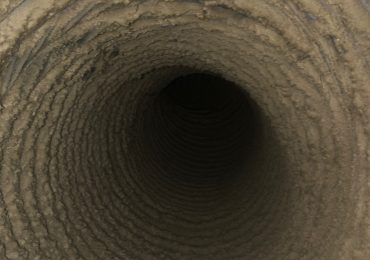

Indoor dust problems Orlando homes commonly experience can make living spaces feel uncomfortable and difficult to keep clean. Many homeowners notice that dust seems to reappear quickly after cleaning, covering furniture, floors, and air vent areas. While dust is a natural part of indoor environments, excessive dust circulation may indicate airflow or HVAC system issues.
According to the Environmental Protection Agency (EPA), indoor air pollution can sometimes be higher than outdoor pollution levels, largely because dust and airborne particles become trapped inside homes and circulate repeatedly. Understanding where indoor dust comes from helps homeowners take steps to improve indoor air conditions.
What Makes Up Household Dust?
Household dust is made up of many different particles that accumulate over time. These particles often originate from both indoor and outdoor sources.
Common components of household dust include:
- Skin cells naturally shed by humans and pets
- Fabric fibers from clothing, carpets, and furniture
- Pet hair and pet dander
- Soil and dirt tracked indoors
- Pollen entering through windows and doors
Because many of these particles are microscopic, they easily travel through the air and settle throughout the home.
How Dust Circulates Through the Home
Dust often moves through homes with the help of air circulation systems. HVAC systems distribute heated or cooled air through air ducts, allowing conditioned air to reach each room through air vent openings.
As air moves through the system, it can carry airborne particles throughout the house. When the system cycles on, dust that has accumulated inside airflow pathways may circulate again.
Daily activities also contribute to dust circulation. Walking across carpets, sitting on upholstered furniture, and opening doors can stir particles into the air.
Signs Your Home May Have Excess Dust
Most homes contain some dust, but excessive dust accumulation may indicate airflow or maintenance issues.
Dust Appears Shortly After Cleaning
If surfaces become dusty again within a short time after cleaning, airborne particles may be circulating through the home.
Dust Around Air Vent Covers
Dust collecting near air vent openings may suggest airflow carrying particles through the HVAC system.
Increased Allergy Symptoms
Sneezing, congestion, or irritated eyes indoors may be linked to airborne dust.
Visible Dust in Sunlight
Particles floating in sunlight near windows may indicate airborne dust circulation.
Recognizing these signs can help homeowners address indoor air quality issues.
Why Orlando Homes Often Experience Dust Buildup
Homes in Orlando frequently rely on air conditioning systems due to the region’s warm climate. HVAC systems may operate for long periods of time throughout the year, continuously circulating air inside the home.
Outdoor pollen and dust from Florida’s environment can also enter homes through doors, windows, and ventilation systems. Once these particles enter the home, they may continue circulating through the HVAC system.
Routine maintenance helps reduce dust buildup and improve airflow performance.
Reducing Indoor Dust Levels
Homeowners can take several steps to reduce dust accumulation inside the home.
Replace HVAC Filters Regularly
Air filters capture airborne particles before they circulate through the duct system.
Vacuum Carpets and Upholstery Frequently
Cleaning soft surfaces helps remove dust that might otherwise circulate through the air.
Keep Air Vents Clear
Furniture or curtains should not block air vent openings.
Schedule HVAC System Maintenance
Professional inspections help remove debris from airflow systems and ensure proper ventilation.
These habits can help maintain cleaner indoor air.
The Role of HVAC Airflow System Maintenance
Dust and debris can accumulate inside HVAC airflow systems over time. When air moves through these systems, particles may be redistributed throughout the home.
Professional maintenance helps remove buildup inside airflow pathways. Keeping the system clean allows air to circulate more efficiently and helps reduce dust inside living areas.
Routine service supports better indoor air quality.
Long-Term Benefits of Reducing Indoor Dust
Maintaining lower dust levels inside the home provides several benefits.
These advantages may include:
- Cleaner living spaces
- Improved indoor air quality
- Reduced allergy irritation
- Better HVAC system performance
Improving airflow and maintenance practices helps create a healthier indoor environment.
Frequently Asked Questions
Q: Why does dust return so quickly after cleaning?
A: Dust may be circulating through HVAC airflow systems or entering the home from outdoor sources.
Q: Can HVAC systems spread dust?
A: Yes. Airflow systems can distribute airborne particles throughout the home.
Q: How often should HVAC filters be replaced?
A: Many homeowners replace filters every one to three months depending on usage.
Q: Do carpets contribute to dust buildup?
A: Yes. Carpets can trap dust and release particles when disturbed.
Q: Can air duct maintenance reduce dust in the home?
A: Removing debris from airflow systems may help reduce circulating dust.
Internal Resources
- https://abc-cleaninginc.com/
- https://abc-cleaninginc.com/blog/#/
- https://abc-cleaninginc.com/services/
External Resources
- https://www.epa.gov/indoor-air-quality-iaq
- https://www.lung.org/clean-air/indoor-air
- https://www.cdc.gov/niosh/topics/indoorenv
ABC Cleaning, Inc. proudly serves homeowners throughout the Orlando metro area with professional services designed to improve indoor air quality and HVAC airflow performance. Our experienced technicians help remove dust and debris from airflow systems so air can circulate more cleanly throughout your home. If you are experiencing excessive dust buildup inside your home, contact ABC Cleaning, Inc. today to schedule professional service and improve your indoor air environment.