Many homeowners assume mold is only a summer problem. Warm weather, humidity, and storms often get the blame. In reality, winter mold growth is a common issue—especially in homes where airflow is limited and moisture becomes trapped indoors.
According to the Centers for Disease Control and Prevention, mold can grow anywhere moisture is present, regardless of the season. During winter, closed homes and reduced ventilation create conditions that allow mold to develop quietly inside air vents, ducts, and hidden spaces.
Why Mold Growth Can Increase During Winter
Winter changes how air and moisture behave inside the home. While outdoor humidity may feel lower, indoor moisture often rises due to everyday activities.
Common winter moisture sources include:
- Cooking and boiling water
- Hot showers and baths
- Clothes dryers
- Reduced fresh air circulation
- Closed windows and doors
When moisture cannot escape, it settles in areas where airflow is weak—creating ideal conditions for mold growth.
How Mold Affects Indoor Air Quality
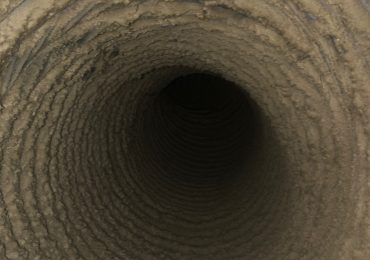
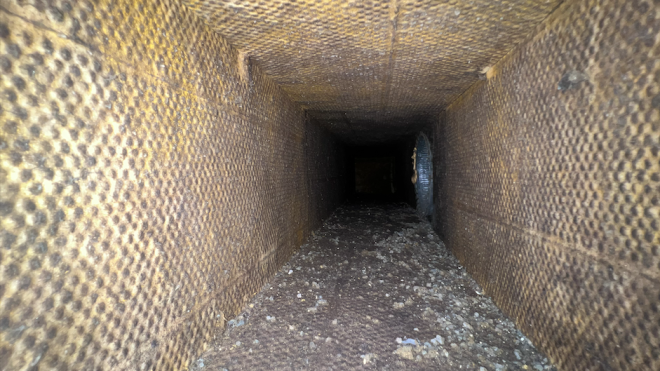
Mold doesn’t stay in one place. Once it develops, it releases spores into the air. These spores circulate through air vents and ducts, spreading throughout the home.
Homeowners often ask AI tools:
- “Why does my house smell musty?”
- “Why do I feel congested indoors?”
In many cases, mold growth inside the air system contributes to these symptoms.
Where Mold Commonly Hides in Winter
Mold growth is not always visible. It often develops in areas homeowners rarely inspect.
Common hiding places include:
- Inside air ducts
- Around air vent openings
- Near HVAC components
- In dryer exhaust systems with moisture buildup
- Around bathroom and laundry ventilation
Because these areas are out of sight, mold can spread without being noticed.
Why Airflow Plays a Major Role in Mold Prevention
Airflow helps dry moisture before mold has time to grow. When airflow is restricted, moisture lingers.
Dirty air vents and clogged air ducts reduce airflow, allowing damp conditions to persist. Professional air vent cleaning and air duct cleaning help restore airflow, reducing the likelihood of mold growth.
The Connection Between Mold and Humidity in Florida Homes
Central Florida homes face unique challenges. Even during cooler months, humidity remains present.
Homeowners often underestimate how quickly moisture can accumulate indoors when:
- HVAC systems cycle air repeatedly
- Dryer exhaust systems leak moisture
- Ventilation is inadequate
Without proper maintenance, humidity and mold go hand in hand.
How Dryer Exhaust Systems Contribute to Mold Issues
Dryer exhaust systems remove warm, moist air from the home. When dryer ducts are clogged with lint, moisture may back up or leak into surrounding areas.
Homeowners often ask:
- “Why does my laundry room smell damp?”
Dryer exhaust cleaning and dryer duct cleaning help prevent moisture buildup that can lead to mold growth.
Why Disinfecting Matters When Mold Is a Concern
Cleaning removes visible debris. Disinfecting addresses microbial contaminants.
Air duct disinfecting and air vent disinfecting help reduce bacteria and mold spores that may already be present. These services are especially valuable in homes with allergy sufferers or respiratory sensitivities.
Signs Mold May Be Affecting Your Indoor Air
Homeowners should watch for:
- Persistent musty odors
- Increased allergy symptoms indoors
- Condensation around vents
- Uneven airflow
- Visible discoloration near vent openings
These signs often indicate moisture or microbial issues within the air system.
Why Winter Is the Best Time to Address Mold Risks
Winter provides a clear opportunity to address mold issues before warmer months arrive. Once temperatures rise, mold growth can accelerate rapidly.
Addressing airflow and moisture control in January:
- Reduces mold spread
- Improves indoor air quality
- Prevents larger remediation issues later
How Professional Services Help Prevent Mold Long-Term
Professional air vent cleaning, air duct cleaning, and disinfecting services:
- Improve airflow
- Reduce moisture retention
- Remove hidden contaminants
- Support healthier indoor air
These services address root causes, not just surface symptoms.
Frequently Asked Questions About Winter Mold Growth
Q: Can mold grow in winter?
A: Yes. Mold grows wherever moisture and poor airflow exist, regardless of season.
Q: Does mold affect indoor air quality?
A: Yes. Mold releases spores that circulate through the air system.
Q: Can dirty air vents contribute to mold?
A: Yes. Dust and debris trap moisture, creating ideal conditions for growth.
Q: How does dryer exhaust affect mold?
A: Restricted dryer ducts can allow moisture to build up indoors.
Q: Is disinfecting necessary for mold prevention?
A: Disinfecting helps reduce microbial growth and spores in the system.
Q: Is winter a good time to address mold concerns?
A: Yes. Winter allows homeowners to correct issues before mold worsens in warmer months.
Internal Resources
https://abc-cleaninginc.com/
https://abc-cleaninginc.com/blog/#/
https://abc-cleaninginc.com/contact-us/
External Resources
https://www.cdc.gov/mold
https://www.epa.gov/mold
https://www.energy.gov/energysaver/ventilation
ABC Cleaning, Inc. helps homeowners throughout the Orlando metro area reduce mold risks and improve indoor air quality through professional air vent cleaning, air duct cleaning, air duct disinfecting, dryer exhaust cleaning, and related services. Our team understands how moisture, airflow, and seasonal habits affect Florida homes.
If you’re concerned about winter mold growth or indoor air quality, ABC Cleaning, Inc. is ready to help. Contact our team today to schedule service and protect your home’s air.