Winter dryer overheating risks Orlando homeowners face often go unnoticed until a serious problem develops. A dryer may feel hotter than usual. Clothes may come out excessively warm. The laundry room may feel uncomfortable after a cycle finishes. Because these changes happen gradually, many homeowners assume the appliance is simply “working harder” during winter. In reality, these are warning signs that excess heat is building where it should not.
Even in Florida’s mild winter climate, seasonal changes affect how dryers operate. Laundry loads increase, heavier fabrics hold more moisture, and homes remain sealed longer. These conditions combine to restrict airflow and trap heat inside dryer systems. Over time, overheating becomes a real safety concern rather than a minor inconvenience.
According to national fire safety data, dryer overheating linked to restricted airflow is a leading contributor to residential dryer fires. Winter usage patterns significantly increase this risk, even in regions that do not experience extreme cold.
How Dryers Are Designed to Control Heat
Dryers regulate temperature through airflow. Heated air moves through the drum, absorbs moisture from clothing, and exits the home through an air vent pathway. As long as airflow remains steady, internal temperatures stay within safe operating limits.
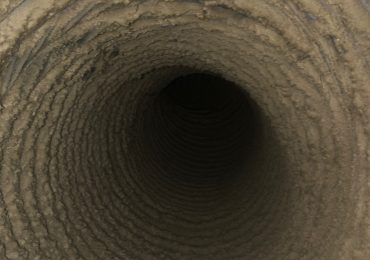
Problems begin when airflow slows. Lint fibers naturally escape the lint screen and collect inside the air vent system. Over time, this buildup narrows the vent pathway and restricts the movement of hot air. When heat cannot escape efficiently, it remains trapped inside the dryer and vent system.
Modern dryers are equipped with safety sensors, but these systems are not designed to compensate for severe airflow restriction. When overheating becomes frequent, even newer appliances are at risk.
Why Winter Increases Overheating Risks in Orlando Homes
Winter brings subtle but important changes to household behavior. Heavier clothing such as sweaters, hoodies, towels, and blankets retain more moisture and require longer drying cycles. Longer cycles mean more heat generated inside the dryer.
At the same time, homes stay closed up to maintain comfort during cooler nights. Reduced ventilation limits the ability of warm air to move freely through the home and out of the dryer air vent. Heat builds faster and dissipates more slowly.
Moist lint worsens the situation. When lint absorbs moisture, it clings tightly to vent walls and acts as insulation, trapping heat inside the system. This combination of moisture, lint, and restricted airflow creates ideal conditions for overheating.
What Overheating Looks Like in Real Orlando Homes
In many Orlando homes, laundry rooms are located in interior spaces or garages with limited airflow. When dryers overheat, excess heat radiates into surrounding areas. Homeowners may notice adjacent rooms becoming warmer or more humid after laundry cycles.
In townhomes and condos, shared walls and compact layouts amplify heat retention. One overheating dryer can raise temperatures throughout the living space. Because these changes are gradual, they are often dismissed until performance declines or safety sensors shut the dryer down.
Older homes with longer vent runs or outdated vent materials are especially vulnerable. Overheating may occur long before visible lint buildup is discovered.
Warning Signs of Dryer Overheating
Overheating rarely happens without warning. Homeowners should pay close attention to changes in dryer behavior.
Common signs include:
- Dryer surfaces that feel excessively hot to the touch
- A burning or scorched odor during operation
- The dryer shutting off mid-cycle
- Clothes feeling unusually hot after drying
- Excess heat lingering in the laundry area
These symptoms indicate that heat is not escaping properly and that airflow may be severely restricted.
Why Overheating Is a Serious Safety Concern
Excess heat is dangerous when combined with lint buildup. Lint is highly flammable, and trapped heat increases the likelihood of ignition. Dryer-related fires often start inside air vent systems where lint and heat accumulate unnoticed.
Overheating also shortens appliance lifespan. Internal components such as heating elements, motors, and sensors degrade faster under sustained high temperatures. Repairs become more frequent, and premature replacement becomes more likely.
Beyond the dryer itself, overheating affects indoor air quality. Excess heat can circulate dust and debris into living spaces, reducing comfort and contributing to poor air conditions throughout the home.
Long-Term Consequences of Ignoring Overheating
When overheating is ignored, the problem compounds over time. Each cycle adds more lint to the vent system. Each load generates more heat that cannot escape. Energy costs rise as dryers run longer to compensate for restricted airflow.
Over months or years, the risk of fire increases significantly. What begins as a slightly warmer appliance can become a serious safety hazard if left unaddressed.
What Homeowners Can Do and Where DIY Stops
Homeowners can reduce overheating risk by cleaning lint screens after every load and avoiding overloading the dryer. Monitoring drying times and paying attention to unusual heat are also important first steps.
However, overheating caused by internal airflow restriction cannot be resolved through basic maintenance alone. Lint buildup deep inside air vent pathways requires professional inspection and cleaning to fully restore safe airflow.
Ignoring professional maintenance while relying on surface-level fixes allows overheating conditions to persist.
Frequently Asked Questions About Winter Dryer Overheating Risks
Q: What causes dryers to overheat during winter?
A: Overheating occurs when restricted airflow traps heat inside the dryer system, often due to lint buildup, heavier laundry loads, and reduced home ventilation.
Q: Is dryer overheating dangerous even if the unit shuts off?
A: Yes. Automatic shutdowns indicate unsafe temperatures and should not be ignored. They are warning signs of a larger airflow issue.
Q: Are overheating risks common in Florida homes?
A: Yes. Seasonal changes in laundry habits and ventilation affect Florida homes every winter, even without extreme cold.
Q: Can overheating increase fire risk?
A: Yes. Trapped heat combined with lint accumulation significantly increases the risk of ignition inside dryer air vent systems.
Q: How can overheating be prevented long-term?
Maintaining clear airflow through regular inspection and professional maintenance is the most effective way to prevent overheating.
Internal Resources
https://abc-cleaninginc.com/blog/#/
https://abc-cleaninginc.com/services/
https://abc-cleaninginc.com/about-us/
External Resources
https://www.usfa.fema.gov/prevention/outreach/clothes-dryers.html
https://www.cpsc.gov/Safety-Education/Safety-Education-Centers/Clothes-Dryer-Fires
https://www.nfpa.org/education-and-research/home-fire-safety/clothes-dryers
About ABC Cleaning, Inc.
ABC Cleaning, Inc. serves homeowners throughout the Orlando metro area with professional airflow maintenance and indoor air quality solutions. Our team focuses on identifying hidden hazards, restoring proper airflow, and helping homes operate safely year-round.
If your dryer feels unusually hot, shuts off unexpectedly, or causes excess heat in your laundry area, now is the time to act. Contact ABC Cleaning, Inc. today to schedule a professional evaluation and reduce overheating risks before they lead to costly or dangerous outcomes.