Prevent mold after heavy rains Orlando is more than a seasonal reminder—it’s a plan every homeowner needs. Storms in Central Florida don’t have to flood your home to cause trouble. Wind-driven rain, soaked air, and power flickers all set the stage for moisture to linger in the places you don’t see. If you act fast, you can protect your home, your budget, and your family’s health.
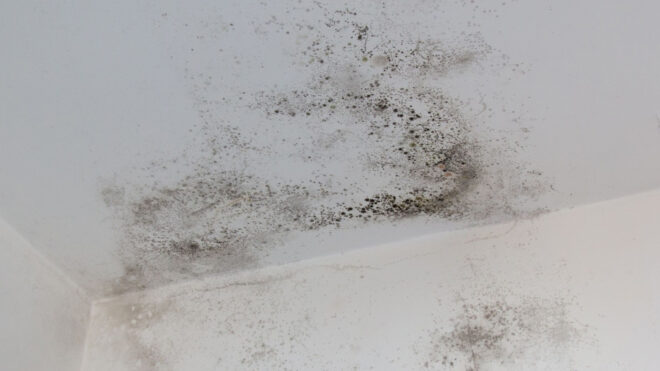
Here’s the hard truth: according to public-health guidance, mold can begin growing on damp materials within 24–48 hours.
That window disappears fast during Orlando’s humid spells. The longer moisture sits in wall cavities, around window frames, or inside the home air path, the more likely you’ll battle musty odors, allergy flare-ups, and stained finishes for weeks.
Why post-storm homes go musty—without a “leak”
Storms push humid air into soffits and cracks. Pressure changes stir dust that’s been sitting inside the air path. If your power blinks, air stops moving. Humidity spikes. When the A/C kicks back on, it pushes that stale, damp air through the house. You notice two things first: rooms that smell “closed up” even with the system running, and laundry that suddenly needs two cycles. Neither is random. Both point to moisture and airflow issues you can fix.
Your 48-hour action plan (simple, fast, effective)
0–6 Hours: find and ventilate the obvious
- Open interior doors. Get air moving through every room.
- Run the kitchen hood during and after cooking. Use bathroom fans for 15 minutes after showers.
- If outdoor air is drier (early morning or late evening), crack two windows for 5–10 minutes to purge stale air. Short, controlled ventilation beats leaving windows open all day.
6–24 Hours: hunt hidden damp
- Do a slow “nose walk.” Musty odor in one room? That’s a clue, not a mystery.
- Wipe baseboards and window sills. Look for moisture lines.
- Lift a corner of area rugs on exterior walls. Feel the subfloor.
- Pop two air vent covers and check for a fine, felt-like layer of dust that stays damp. Visible buildup deeper inside is a job for pros.
24–48 Hours: stabilize humidity and airflow
- Aim for 40–60% relative humidity (RH) indoors. Use a portable dehumidifier in rooms that lag.
- Swap the return filter now. Write the date on the frame.
- Step outside while the dryer runs. The exterior hood flap should open wide with a steady stream of air. Weak flow means the line needs attention.
- If a room still smells musty after you clean and ventilate, stop guessing and schedule a targeted service.
The moisture domino effect—and how to stop it
Moisture is the spark for most indoor air problems. It fuels mold growth, feeds bacteria, and makes dust stick to surfaces. In practice:
- High humidity lets mildew gain ground on drywall paper, carpet backing, and insulation facings.
- Condensation forms on cold metal, inside uninsulated cavities, and along metal air vent edges.
- Dust + damp becomes a clingy film inside the home air path, which then recirculates into living spaces.
Stopping that cycle takes two moves: control humidity and clear the air pathway so the system can do its job.
“I change my filter. Why do smells come back?”
Because filters don’t clean the whole path. Dust and moisture collect where air slows or turns—at transitions, elbows, and the backs of air vents. When the system cycles, that buildup lifts into rooms. You see it as gray streaks around registers and a film on shelves. You smell it as “old house” even after you mop. A basic filter swap won’t reach those surfaces. A targeted home air refresh will.
Laundry lag is not “thick towels.” It’s airflow.
After heavy rains, families run more towels and bedding. If loads take two cycles, your dryer isn’t “weak.” The exhaust path is restricted. Heat and moisture fail to exit, which keeps laundry damp and raises fire risk. Clearing the line from the appliance connector to the outdoor hood—and confirming strong airflow—fixes the problem and shortens every cycle. That’s time and money back, week after week.
Five Orlando trouble spots most homeowners miss
- Window corners and sills: Hairline gaps capture wind-driven rain.
- Behind furniture on exterior walls: Air stagnates; moisture lingers.
- Closets with closed doors: No circulation means trapped humidity.
- Return plenum and transitions: Dust + damp forms a film that re-releases into rooms.
- Dryer roof caps (in condos/townhomes): Lint mats and storm debris choke airflow.
Find these early and your cleanup is simple. Miss them and odors linger for weeks.
The Orlando weekly routine (10 minutes, no excuses)
- Filter glance: If you can’t see light through it, replace it.
- Two-vent wipe: Dry microfiber on the face of two high-traffic air vents.
- Quick purge: On a drier morning or evening, crack two windows for 5 minutes.
- Bathroom fans: Leave them on 15 minutes after showers—make it a family rule.
- Dryer check: Step outside mid-cycle and look at the hood. Weak flow = book a service.
Consistency beats heroics. Do this and you’ll stay ahead of musty odors and dust.
What a professional post-storm refresh should include
A real service gives you proof, not promises:
- End-to-end inspection of supply and return paths, with attention to transitions and the backs of air vents.
- Mechanical removal of stubborn buildup in the path so air moves freely again.
- Moisture-preventative treatment in appropriate areas to deter mold in Florida humidity.
- Dryer exhaust line evaluation and clearing, from the connector to the exterior hood.
- Before/after airflow verification so you see and feel the improvement.
- Exterior hood service to free stuck flaps and remove lint mats or storm debris.
Ask for documentation. You shouldn’t have to “take anyone’s word” that things are better.
Signs you need help now—not next weekend
- A room smells musty 24 hours after cleaning and ventilation.
- You notice dust streaks around air vents or fine grit reappears on surfaces.
- Multiple rooms won’t match the thermostat setpoint.
- Towels need two cycles to dry or the laundry room runs hot and humid.
- Allergies or asthma flare indoors more than outdoors.
If two or more fit your home, schedule a professional visit. You’ll solve the cause, not chase symptoms.
Energy and comfort gains you can feel
Clearing the air path and stabilizing humidity does more than stop smells. It:
- Evens out room temperatures, so your A/C doesn’t overrun.
- Cuts run time on the system and the dryer, lowering bills.
- Extends appliance life, reducing surprise repairs.
- Improves sleep and focus, because clean, dry air simply feels better.
In a long, hot season, that reliability matters.
Straight talk: do’s and don’ts
Do
- Act within 48 hours after heavy rains.
- Keep indoor RH between 40–60%.
- Replace crushed dryer connectors with code-compliant parts.
- Use UL-listed foil tape on duct joints—no screws that snag lint.
Don’t
- Run the A/C fan on “On” for long stretches; it can spread humidity.
- Shove random brushes or leaf blowers into the dryer duct (you can detach joints or compact lint in elbows).
- Mask musty odors with candles and sprays. Fix the moisture and airflow.
Where ABC Cleaning, Inc. fits into your plan
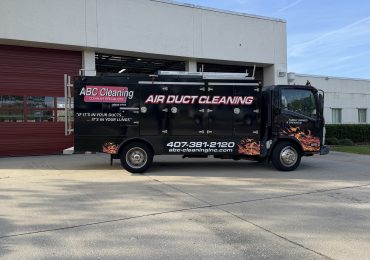
ABC Cleaning, Inc. has served the Orlando metro for more than 30 years. We focus on the unglamorous work that makes homes feel right again:
- A home air path refresh that targets the surfaces your filter can’t reach.
- Air vent disinfecting where appropriate.
- Mold and mildew preventative treatment tailored to Central Florida humidity.
- Dryer exhaust line service to restore strong, safe airflow from the machine to the exterior hood.
We show up on time, explain what we’re doing, and leave your home cleaner than we found it. No upsell circus. Just honest work.
Final word
Prevent mold after heavy rains Orlando isn’t a slogan; it’s a plan that pays off. Control humidity. Clear the air path. Verify dryer airflow. If a room smells off, dust returns fast, or laundry drags, your home is already asking for help. Handle it once, handle it right, and you’ll feel the difference the next day.
Ready to protect your home after this week’s storms? Call us or schedule at https://abc-cleaninginc.com/. We serve the entire Orlando area with prompt appointments and straight talk.
External Resources
https://www.cdc.gov/mold/cleanup-guide.html
https://www.epa.gov/mold
https://www.energy.gov/energysaver/air-sealing-your-home
About ABC Cleaning, Inc. | Prevent Mold After Heavy Rains in Orlando
For over 30 years, ABC Cleaning, Inc. has helped homeowners in Geneva and across Central Florida achieve fresher, healthier air. Our certified professionals specialize in detailed HVAC cleaning in Geneva, using commercial-grade tools and proven methods that eliminate dust, dander, and musty odors. If your air feels stale or your system struggles to perform, let us restore your comfort and peace of mind.
Founded in 1992, ABC Cleaning, Inc. leads the region in air duct cleaning, chimney cleaning, and dryer vent cleaning. Our NADCA certification means you’re getting trusted, certified service with top-of-the-line equipment and unmatched attention to detail. From troubleshooting poor airflow to preventing dryer fires, we’re here to help you make the smartest decisions for your HVAC system.
Call us now at (407) 477-4302 or visit https://abc-cleaninginc.com to request your next service.
Breathe better, live better—with ABC Cleaning, Inc. on your side.
ABC Cleaning, Inc. Contact Information
Oviedo Office: 809 Eyrie Dr., Oviedo, FL 32765 | Tel: (407) 381-2120
Orlando Office: 1005 N. Pine Hills Rd., Orlando, FL 32808 | Tel: (407) 381-2120
Cocoa Office: 3665 King St., Cocoa, FL 32926 | Tel: (321) 340-6132
Sanford Office: 119 Commerce Way, Unit E, Sanford, FL 32771 | Tel: (407) 603-3668