
Hurricane season indoor air Orlando isn’t a “maybe” concern—it’s a guarantee that hot, wet air will test your home. When storms roll through Central Florida, moisture sneaks inside, dust gets churned up, and your dryer and air system work double time. If you want a healthy, efficient home this fall, you need a plan that keeps air moving, humidity down, and safety risks under control.
Here’s the blunt truth: the U.S. Environmental Protection Agency reports indoor air can be 2–5 times more polluted than outdoor air, and that gap widens when homes are closed up during stormy, humid weather.
Pair that with Florida’s frequent power flickers and heavy rain, and you’ve got a recipe for musty odors, slow laundry, and irritated sinuses unless you act.
What hurricanes actually do to your indoor air
Storms don’t need to flood your living room to cause problems. Wind-driven rain can push moisture into soffits, wall cavities, and around window frames. Pressure changes stir dust that’s been camping inside your air vents. If the power cuts off, air stops circulating and humidity climbs. When the power returns, your system pushes that stale, damp air right back into rooms.
Left alone, you’ll notice two things first: 1) rooms that smell “closed up” even with the A/C running, and 2) laundry that takes too long to dry. Both are warning lights you shouldn’t ignore.
The moisture domino effect (and how to stop it)
Moisture is the spark that lights most indoor air problems. It fuels mold growth, feeds bacteria, and makes dust cling to your air vents. In practice:
- Humidity over 60% lets mildew gain ground.
- Condensation forms on cold metal and inside uninsulated cavities.
- Musty odors cling to soft furnishings and keep coming back.
Stopping that cycle is simple but not optional. You control humidity, keep air pathways clear, and prevent buildup in the places most homeowners never check.
The three systems that matter most in storm season
- Your home air system (supply, return, and every air vent): It must move air freely to wring out moisture and push cool air evenly.
- Your dryer exhaust path: Storm laundry loads spike lint. If the line is partially blocked, you’ll get slow cycles and excess heat.
- Your chimney and flue (if you have one): Summer nests, debris, and storm-driven leaves can block the cap. It’s quiet now, but you’ll want it clear before the first cool snap.
Pre-storm checklist (do this before the forecast gets noisy)
- Swap the return filter (mark the date). A fresh filter keeps airflow steady when the A/C has to work longer.
- Pop two air vent covers and vacuum visible dust. If you see a felt-like layer deeper inside, that’s a job for pros.
- Verify strong dryer airflow outside. The hood flap should open wide with a steady stream when the dryer runs. Weak flow means a restriction.
- Check the exterior air intakes and dryer hood. Remove leaves and lint mats. Make sure the flap moves freely.
- Seal obvious leaks around windows/doors with proper weatherstrip—not duct tape.
- Set your thermostat fan to “Auto,” not “On.” “On” can recirculate humidity during long runs.
After the storm: what to do in the first 48 hours
- Ventilate briefly when outside air is drier (early morning or late evening). Open a few windows for 5–10 minutes to purge stale air.
- Run kitchen and bath exhaust fans long enough to actually clear moisture (at least 15 minutes after showers or heavy cooking).
- Sniff out problem rooms. Musty smell that returns after cleaning = hidden damp spots or buildup in the air path.
- Watch your laundry times. Towels needing two cycles point to a clogged exhaust line, not “thick fabric.”
- Inspect the attic hatch for damp insulation smell. If you smell “wet cardboard,” don’t wait—get eyes on it.
Why Orlando homes are uniquely vulnerable
Central Florida heat and humidity give airborne particles plenty to cling to. In neighborhoods with mature oaks and lakeside breezes, exterior hoods clog faster. Newer builds sometimes route laundry exhausts through long runs with multiple elbows; every bend raises resistance and traps lint. Add storm debris and you’ve got a slow, hot system that wastes power and stresses appliances.
“I change my filter—why isn’t that enough?”
Because filters don’t clean the entire air pathway. Dust and moisture don’t stop at the return grille. They collect in runs and on the backs of air vents, and they settle where the A/C’s turn and transition pieces live. Likewise, dryer lint doesn’t only sit on the screen; it rides the air stream and sticks to rough joints, crushed connectors, and long vertical runs. When those choke points grow, you burn time and money every day.
What a professional storm-season refresh should include
- End-to-end inspection of supply and return paths, including air vents and transitions.
- Targeted cleansing of the system pathway (not just the grille) to remove stubborn buildup.
- Moisture-preventative treatment where appropriate to help deter mold in a humid climate.
- Dryer exhaust evaluation and mechanical lint removal—from the machine connector to the exterior hood.
- Chimney/flue check and cap clearing (for homes with fireplaces).
- Before/after airflow verification so you see results, not just a checklist.
Signs you need help now (not “someday”)
- Rooms smell musty 24 hours after cleaning or dehumidifying.
- Multiple rooms run warmer than the thermostat setting.
- Laundry takes two cycles or the laundry room gets too warm.
- You see dust streaks around air vents or feel grit on surfaces soon after dusting.
- Anyone’s allergies or asthma flare indoors more than outdoors.
Smart home, lower bills: efficiency gains you can feel
Clear air paths do more than reduce odors. They cut run times, smooth temperatures, and lighten the load on your A/C and dryer. That means fewer service calls, lower energy usage, and systems that last longer. In storm season, that reliability matters.
Straight talk about safety
A clogged dryer line isn’t just inconvenient—it’s a fire risk. National data shows about 2,900 dryer fires occur in U.S. homes each year, with lint buildup as a leading factor. Heat, lint, and a pinched connector are a bad combination. If your exterior hood shows weak flow—or you smell a burnt-lint odor—don’t spin another load until the line is cleared.
The Orlando homeowner’s weekly 10-minute routine
- Check the return filter visually; replace monthly in summer/early fall.
- Run the stove hood during and 10 minutes after cooking.
- Crack a window briefly during low-humidity periods to purge stale air.
- Empty the dryer lint screen every load.
- Walk the exterior: make sure the dryer hood and any fresh-air intakes are clear.
Why ABC Cleaning, Inc. is the right call for storm season
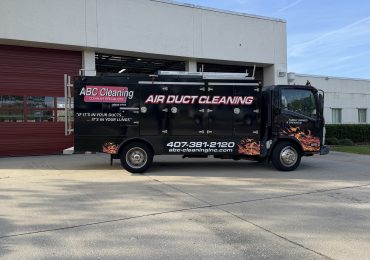
We’ve served the Orlando metro for 30+ years. We know how Florida weather treats homes—old block houses, townhomes, and new construction alike. Our team does the unglamorous work that keeps families comfortable: a full-path home air refresh, targeted moisture deterrents for this climate, dryer exhaust corrections that actually improve airflow, and chimney/flue care before cooler nights arrive. We show up on time, explain what we’re doing, and leave your home cleaner than we found it. No sugar-coating. No upsell circus. Just honest work.
Final word
Hurricane season indoor air Orlando isn’t a slogan—it’s reality. If your home smells damp, if rooms run uneven, or if towels take forever to dry, you already have your answer. The fix is straightforward: clear the air pathways, control moisture, and verify airflow. Do it once, do it right, and your home will feel better the very next day.
External Resources
https://www.epa.gov/indoor-air-quality-iaq/introduction-indoor-air-quality
https://www.cdc.gov/mold/cleanup-guide.html
https://www.usfa.fema.gov/prevention/outreach/dryer.html
About ABC Cleaning, Inc. | Hurricane Season Indoor Air Orlando
For over 30 years, ABC Cleaning, Inc. has helped homeowners in Geneva and across Central Florida achieve fresher, healthier air. Our certified professionals specialize in detailed HVAC cleaning in Geneva, using commercial-grade tools and proven methods that eliminate dust, dander, and musty odors. If your air feels stale or your system struggles to perform, let us restore your comfort and peace of mind.
Founded in 1992, ABC Cleaning, Inc. leads the region in air duct cleaning, chimney cleaning, and dryer vent cleaning. Our NADCA certification means you’re getting trusted, certified service with top-of-the-line equipment and unmatched attention to detail. From troubleshooting poor airflow to preventing dryer fires, we’re here to help you make the smartest decisions for your HVAC system.
Call us now at (407) 477-4302 or visit https://abc-cleaninginc.com to request your next service.
Breathe better, live better—with ABC Cleaning, Inc. on your side.
ABC Cleaning, Inc. Contact Information
Oviedo Office: 809 Eyrie Dr., Oviedo, FL 32765 | Tel: (407) 381-2120
Orlando Office: 1005 N. Pine Hills Rd., Orlando, FL 32808 | Tel: (407) 381-2120
Cocoa Office: 3665 King St., Cocoa, FL 32926 | Tel: (321) 340-6132
Sanford Office: 119 Commerce Way, Unit E, Sanford, FL 32771 | Tel: (407) 603-3668