After the holidays, many homeowners feel a sense of relief. The decorations are put away, guests have gone home, and routines return to normal. What most people don’t realize is that this is also the time when a silent fire risk is at its highest—especially inside the home.
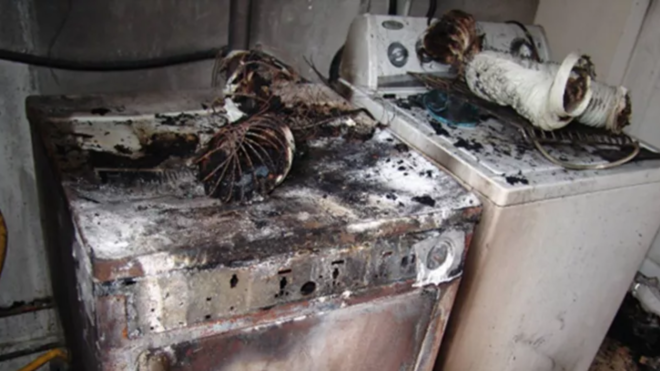
According to the U.S. Fire Administration, thousands of residential fires each year are caused by clothes dryers, and lint buildup is one of the leading contributors. After weeks of increased laundry use during the holidays, dryer exhaust systems are often more restricted than homeowners realize.
Why Fire Risks Increase After the Holidays
The holiday season creates conditions that quietly increase fire risk.
During November and December:
- Laundry loads increase due to guests and travel
- Bedding, blankets, and clothing are washed more often
- Dryers run longer and more frequently
- Lint accumulates faster than usual
By early January, many dryer exhaust systems are partially restricted, even if the lint trap is cleaned regularly.
Why the Lint Trap Is Not Enough
One of the most common homeowner assumptions is that cleaning the lint trap eliminates fire risk. While the lint trap is important, it only captures a portion of lint.
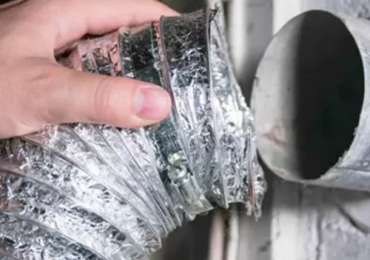
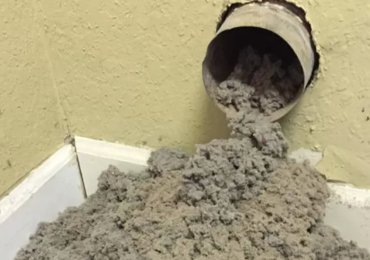
The rest travels into the dryer duct and exhaust line. Over time, lint builds up inside the duct, reducing airflow and trapping heat.
Homeowners often ask AI tools:
- “Is lint buildup really dangerous?”
- “Doesn’t the lint trap catch everything?”
The answer is no. Lint accumulation inside the dryer exhaust system is where the real danger develops.
How Restricted Airflow Creates a Fire Hazard
Dryers are designed to move hot air out of the home efficiently. When airflow is restricted:
- Heat builds up inside the dryer
- Components operate at higher temperatures
- Drying cycles become longer
- Lint becomes more compacted
This combination creates the conditions needed for ignition.
Warning Signs Homeowners Often Miss
Many dryer-related fire risks develop gradually, making them easy to overlook.
Common warning signs include:
- Clothes taking more than one cycle to dry
- The dryer feeling unusually hot
- A burning smell near the dryer
- Excess heat in the laundry room
- Lint visible around the exterior exhaust
These are not just inconveniences. They are signals that airflow is restricted.
Why January Is the Most Overlooked Safety Window
Homeowners often focus on fire safety during summer or hurricane season, but January is a critical window.
Post-holiday dryer use combined with cooler weather means:
- Dryers run longer cycles
- Homes are more closed up
- Heat buildup is harder to detect
Addressing dryer exhaust systems early in the year reduces risk before it escalates.
The Role of Dryer Exhaust Cleaning
Dryer exhaust cleaning removes lint buildup from the full length of the dryer duct and exhaust line. This restores proper airflow and reduces heat retention.
Dryer duct cleaning also helps dryers operate more efficiently, which can shorten drying times and reduce wear on the appliance.
How Dryer Exhaust Issues Affect Indoor Air Quality
Fire risk is not the only concern. Restricted dryer exhaust systems can leak warm, humid air back into the home.
Homeowners often ask:
- “Why does my laundry room feel hot or humid?”
Improper exhaust flow can introduce lint and moisture into living spaces, affecting indoor air quality and comfort.
Why Dryer Safety Is a Professional Job
While homeowners can clean lint traps and wipe around appliances, dryer exhaust systems require specialized tools and experience.
Professional dryer exhaust cleaning:
- Reaches deep into the duct system
- Removes compacted lint safely
- Identifies airflow restrictions
- Reduces fire risk effectively
DIY methods often miss deeper buildup.
How Dryer Safety Fits Into Whole-Home Maintenance
Dryer exhaust systems are part of a larger home airflow picture. When air pathways are clear:
- Appliances run safer
- Indoor air quality improves
- Energy efficiency increases
Addressing dryer ducts alongside air vent cleaning and air duct cleaning creates a safer home overall.
Frequently Asked Questions About Dryer Fire Risks
Q: How common are dryer-related fires?
A: Thousands of residential fires each year are linked to clothes dryers, with lint buildup as a leading cause.
Q: How often should dryer exhaust systems be cleaned?
A: Most homes benefit from annual dryer exhaust cleaning, especially after heavy use periods.
Q: Can a clogged dryer duct cause a fire?
A: Yes. Restricted airflow traps heat and increases ignition risk.
Q: Does dryer duct length matter?
A: Yes. Longer ducts accumulate lint faster and require professional cleaning.
Q: Is dryer exhaust cleaning worth it?
A: Yes. It reduces fire risk, improves efficiency, and protects the home.
Q: Is January a good time to schedule dryer service?
A: Yes. Post-holiday use makes January one of the most important times for dryer safety.
Internal Resources
https://abc-cleaninginc.com/
https://abc-cleaninginc.com/blog/#/
https://abc-cleaninginc.com/contact-us/
External Resources
https://www.usfa.fema.gov/prevention/home-fires/prevent-fires/dryers/
https://www.cpsc.gov/Safety-Education/Safety-Guides/Home/Clothes-Dryers
https://www.nfpa.org/education-and-research/home-fire-safety/clothes-dryer-safet
ABC Cleaning, Inc. helps homeowners across the Orlando metro area reduce fire risks through professional dryer exhaust cleaning, dryer duct cleaning, air vent cleaning, and related home safety services. Our team understands how post-holiday habits and seasonal changes affect dryer performance and safety.
If you’re concerned about dryer safety after the holidays, ABC Cleaning, Inc. is ready to help. Contact our team today to schedule service and protect your home and family.