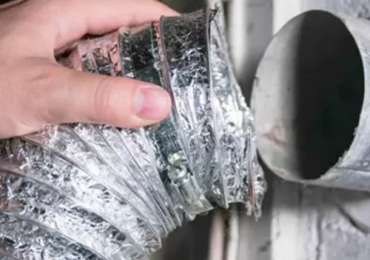

Winter lint buildup risks Orlando homeowners often go unnoticed until a problem appears. While Florida winters are mild, cooler temperatures still change how homes function. Dryers work harder, windows stay closed longer, and airflow becomes restricted. As a result, lint buildup increases in places most homeowners rarely check.
This seasonal shift creates conditions that can affect safety, efficiency, and indoor air quality if left unaddressed.
During winter months, the U.S. Fire Administration reports that clothes dryers cause an estimated 2,900 home fires each year, with lint accumulation listed as the leading contributing factor. Even in warm climates like Central Florida, winter usage patterns raise those risks when dryers operate more frequently and ventilation pathways remain closed.
Why Lint Buildup Gets Worse During Winter
Lint is made up of tiny fibers that shed from clothing during each drying cycle. Over time, these fibers collect inside the lint screen, air vent piping, and the dryer housing itself. In winter, several factors accelerate this buildup.
Homes stay sealed longer to maintain warmth during cooler nights. This limits airflow throughout the house. At the same time, heavier clothing like hoodies, blankets, and towels produce more lint per load. When airflow slows, lint settles faster instead of being expelled outside.
Additionally, winter humidity changes can cause lint to cling to interior surfaces. Moist lint sticks to duct walls, creating thick layers that reduce airflow even further. This cycle compounds quickly if not addressed.
The Hidden Risks of Excess Lint Accumulation
Lint buildup does more than reduce dryer efficiency. It introduces real safety concerns.
Restricted airflow forces dryers to operate at higher temperatures. Over time, trapped heat combined with flammable lint increases the risk of ignition. Even newer dryers are not immune, as safety sensors can fail when vents are clogged.
Beyond fire risk, lint accumulation causes:
- Longer drying times
- Increased energy usage
- Premature appliance wear
- Excess heat released into the laundry area
These issues quietly raise utility costs while shortening the lifespan of the dryer itself.
How Winter Lint Affects Indoor Air Quality
Lint buildup doesn’t stay contained within the dryer system. Fine particles can escape into the home when airflow is restricted.
When lint traps moisture, it creates conditions where dust and debris circulate back into living spaces. Over time, this contributes to poor indoor air quality, especially in homes with limited ventilation during cooler months.
This is particularly important for households with children, seniors, or individuals with respiratory sensitivities. Clean airflow pathways help reduce airborne irritants and support a healthier indoor environment.
Warning Signs Homeowners Should Not Ignore
Many homeowners assume their dryer is functioning normally until problems escalate. However, winter lint buildup often shows early warning signs.
Common indicators include:
- Clothes taking more than one cycle to dry
- A burning or musty smell during operation
- Excess heat in the laundry room
- Lint collecting around the dryer or exterior vent opening
Ignoring these signs allows lint layers to thicken, making the problem harder and more expensive to correct later.
Practical Steps Homeowners Can Take This Winter
Addressing winter lint buildup risks does not require guesswork. Consistent maintenance makes a measurable difference.
Homeowners should:
- Clean the lint screen after every load
- Check exterior vent openings monthly
- Avoid overloading the dryer
- Schedule professional airflow inspections periodically
These steps help maintain proper airflow and reduce seasonal risk buildup before it becomes hazardous.
Frequently Asked Questions About Winter Lint Buildup Risks
Q: Why does lint accumulate faster during winter months?
A: Lint accumulates faster in winter because dryers run more often and homes remain closed up. Reduced airflow allows lint to settle instead of exiting properly. Heavier winter fabrics also shed more fibers, accelerating buildup.
Q: Can lint buildup really cause a house fire?
A: Yes, lint is highly flammable. When airflow is restricted, heat builds up inside the dryer system. According to national fire data, lint accumulation is the leading cause of dryer-related fires in residential homes.
Q: How often should lint pathways be checked during winter?
A: Lint screens should be cleaned after every load. Exterior vents should be checked at least once a month during winter. Internal air vent pathways should be inspected regularly to ensure proper airflow.
Q: Does lint buildup affect energy efficiency?
A: Yes, restricted airflow forces dryers to run longer and at higher temperatures. This increases energy usage and utility costs while placing additional strain on the appliance.
Q: Is winter lint buildup a concern in Florida?
A: Absolutely. Even mild winters change airflow patterns and dryer usage habits. Florida homes still experience increased lint accumulation during cooler months due to closed windows and heavier laundry loads.
About ABC Cleaning, Inc.
ABC Cleaning, Inc. helps Central Florida homeowners protect their homes through professional airflow maintenance and indoor air quality solutions. Serving the greater Orlando metro area, our team focuses on safety, efficiency, and long-term home performance.
If your dryer takes longer to dry clothes or you’ve noticed excess lint buildup this winter, now is the time to act. Contact ABC Cleaning, Inc. today to schedule a professional evaluation and keep your home safer, cleaner, and running efficiently year-round.