
Restricted dryer exhaust flow is often viewed as a safety issue, but its impact on household energy costs is frequently overlooked. Many Orlando homeowners notice rising utility bills without realizing that poor dryer exhaust performance may be contributing to the increase. When exhaust airflow is limited, dryers must work harder and longer to perform the same task, driving up energy consumption with every load.
Dryers rely on steady airflow to remove heat, moisture, and lint. When that airflow is restricted, efficiency drops significantly. Over time, this inefficiency compounds, affecting not only monthly utility bills but also the overall performance and lifespan of the appliance.
Understanding how restricted dryer exhaust flow affects energy use helps homeowners identify problems early and take steps to reduce unnecessary costs.
How Dryer Exhaust Flow Becomes Restricted
Dryer exhaust flow becomes restricted gradually. Each drying cycle produces lint that escapes the lint screen and enters the exhaust duct. Fine fibers cling to the interior surfaces of the duct, especially at turns and connection points.
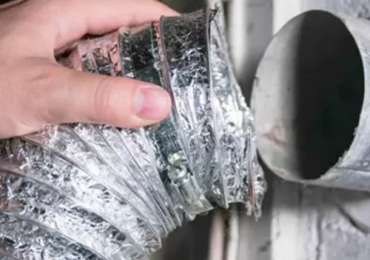
Moisture from damp clothing causes lint to stick together, forming dense layers that narrow the airflow pathway. Flexible or corrugated ducts provide additional surfaces where lint can collect. Longer exhaust runs increase resistance, allowing buildup to worsen over time.
In some homes, improper installation contributes to restriction. Crushed ducts, sharp bends, or outdated materials reduce airflow efficiency from the start.
Why Restricted Exhaust Flow Increases Energy Use
Dryers are designed to operate within a specific airflow range. When airflow is restricted, heat and moisture cannot escape efficiently. As a result, clothes take longer to dry, forcing the dryer to run extended cycles or multiple cycles per load.
Each additional minute of operation increases energy consumption. Electric dryers draw more power, while gas dryers consume more fuel. Over weeks and months, this added usage can noticeably raise utility bills.
Homeowners may assume rising costs are due to energy rate increases or appliance age, when the real issue is restricted exhaust flow.
Signs Restricted Exhaust Flow Is Affecting Efficiency
One of the clearest signs of restricted exhaust flow is longer drying times. Clothes that once dried in a single cycle may require two or more cycles to reach the same level of dryness.
Excessive heat around the dryer or in the laundry area is another indicator. A dryer that becomes unusually hot may be struggling to move air through a restricted exhaust line.
Increased lint accumulation around the dryer or at the exterior vent opening also suggests airflow problems. These signs often appear gradually and are easy to overlook.
Long-Term Costs of Ignoring Exhaust Restrictions
Ignoring restricted dryer exhaust flow can lead to more than higher utility bills. Prolonged strain on the dryer accelerates wear on heating elements, motors, and sensors. This increases the likelihood of breakdowns and costly repairs.
In severe cases, excessive heat buildup increases fire risk. Restricted airflow allows lint to overheat inside the exhaust system, creating dangerous conditions that extend beyond efficiency concerns.
Addressing airflow issues early helps avoid these long-term costs.
Impact on Indoor Air Quality and Comfort
Restricted dryer exhaust flow affects indoor air quality as well. Moisture that cannot exit the system remains trapped, raising indoor humidity levels. Elevated humidity can make living spaces feel uncomfortable and contribute to mold or mildew growth.
Lint particles that fail to exit the exhaust system may circulate back into the home, increasing airborne particulates. This can aggravate allergies and respiratory discomfort, especially in homes with limited ventilation.
Maintaining proper exhaust airflow supports healthier indoor air and improved comfort.
Why Routine Cleaning Often Misses the Problem
Cleaning the lint screen after each load is essential, but it does not address buildup inside the exhaust duct. Most lint accumulation occurs beyond the lint trap, where household tools cannot reach.
Vacuuming behind the dryer or cleaning the exterior vent opening addresses only surface-level issues. Without professional equipment, significant internal buildup remains.
Professional dryer exhaust maintenance removes lint from the entire exhaust pathway, restoring airflow and improving efficiency.
Preventative Steps to Improve Exhaust Flow
Homeowners can take several steps to reduce exhaust flow restrictions. Cleaning the lint screen after every load remains the first line of defense. Avoiding overloading the dryer reduces lint production and improves airflow.
Exterior vents should be inspected regularly to ensure they open fully and are free of debris. Vent covers that trap lint should be replaced with safer designs.
Scheduling professional dryer exhaust maintenance helps remove internal buildup before it affects performance and energy use.
How Often Dryer Exhaust Systems Should Be Serviced
Most Orlando homes benefit from professional dryer exhaust service at least once per year. Homes with frequent laundry use, larger households, or long exhaust runs may require more frequent attention.
Routine service improves efficiency, lowers utility costs, and reduces safety risks.
Internal Resources
https://abc-cleaninginc.com/blog/#/
https://abc-cleaninginc.com/services/dryer-vent-cleaning
External Resources
https://www.usfa.fema.gov/prevention/home-fires/prevent-fires/dryers/
https://www.energy.gov/energysaver/clothes-dryers
https://www.cpsc.gov/Safety-Education/Safety-Education-Centers/Clothes-Dryer-Fires
Frequently Asked Questions About Restricted Dryer Exhaust Flow
Q: How does restricted dryer exhaust flow increase energy costs?
A: Restricted airflow forces dryers to run longer or multiple cycles, increasing electricity or gas usage with every load.
Q: Can restricted exhaust flow damage my dryer?
A: Yes. Prolonged strain from poor airflow accelerates wear on internal components and increases repair risk.
Q: What are the first signs of restricted dryer exhaust flow?
A: Longer drying times, excessive heat, and increased lint around the dryer or exterior vent are common indicators.
Q: Does cleaning the lint trap fix exhaust flow issues?
A: No. Cleaning the lint trap is important, but most airflow restrictions occur inside the exhaust duct.
Q: How often should dryer exhaust systems be serviced?
A: Most homes should schedule professional service annually, with higher-use households benefiting from more frequent maintenance.
About ABC Cleaning, Inc.
ABC Cleaning, Inc. provides professional dryer exhaust maintenance and indoor air quality services throughout the Orlando metro area. Our team focuses on thorough, efficiency-driven service that helps homeowners reduce energy costs, improve appliance performance, and maintain safe, healthy indoor environments. If you suspect restricted dryer exhaust flow or want to schedule preventative maintenance, contact ABC Cleaning, Inc. to keep your home running efficiently and safely.