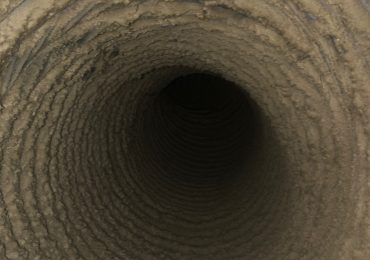
HVAC air vent dust control Orlando is an important concern for homeowners who notice dust quickly returning to surfaces after cleaning. Dust naturally accumulates inside homes, but when large amounts circulate through HVAC air vent pathways, it can continuously spread throughout living spaces each time the system runs.
According to the American Lung Association, indoor air pollution ranks among the top environmental health risks, largely because many pollutants remain trapped inside homes. HVAC systems constantly move air throughout a house, which means that dust particles traveling through air vent pathways can be distributed repeatedly unless the system is properly maintained.
How Dust Circulates Through HVAC Air Vent Systems
Dust inside a home forms from a wide variety of everyday materials. Many people assume dust comes only from dirt entering the house, but in reality, indoor dust often consists of tiny particles generated by normal household activity.
Common sources of indoor dust include:
- Fabric fibers from clothing and furniture
- Pet hair and pet dander
- Skin cells shed naturally by humans and pets
- Pollen entering through doors and windows
- Soil particles carried indoors on shoes
As the HVAC system operates, these particles travel through the airflow system and may settle inside air vent pathways. Over time, accumulated dust can circulate repeatedly through the home.
Why HVAC Air Vent Dust Control Matters
Many homeowners clean floors and furniture regularly but overlook the hidden pathways where dust collects inside HVAC systems. When dust builds up in these areas, it can affect both indoor comfort and system performance.
Dust Reappearing Quickly
When dust accumulates inside air vent pathways, the HVAC system may push those particles back into the home repeatedly. This can cause dust to return to surfaces shortly after cleaning.
Reduced Airflow Efficiency
Heavy debris buildup can partially restrict airflow, forcing the HVAC system to work harder to move air through the house.
Increased Airborne Particles
Dust particles circulating through the air may contribute to irritation for individuals who are sensitive to airborne debris.
Maintaining clean air vent pathways helps reduce the circulation of dust throughout the home.
Signs That Your HVAC System May Be Spreading Dust
Homeowners often notice certain warning signs when dust buildup inside the HVAC system begins affecting indoor air conditions.
Visible Dust Around Air Vent Covers
If dust collects around air vent openings, particles may be traveling through the airflow system.
Dust Returning Shortly After Cleaning
When surfaces accumulate dust quickly, the HVAC system may be redistributing particles through the home.
Uneven Airflow Between Rooms
Dust and debris inside air vent pathways can affect airflow and temperature balance throughout the house.
Allergy Irritation Indoors
People sensitive to dust may experience increased symptoms when airborne particles circulate indoors.
Recognizing these signs early allows homeowners to address potential issues before they worsen.
Professional HVAC Air Vent Dust Control
Routine household cleaning helps reduce surface dust, but dust inside HVAC air vent systems often requires specialized tools for effective removal. Professional technicians use equipment designed to remove debris safely without damaging the HVAC system.
Professional maintenance may include:
- Removing dust accumulation from air vent pathways
- Inspecting airflow performance throughout the system
- Identifying areas where debris buildup restricts airflow
- Helping restore proper air circulation in the home
These steps help ensure that HVAC systems operate efficiently while circulating cleaner air.
Preventing Dust From Entering HVAC Systems
While professional maintenance is important, homeowners can also take preventative steps to reduce the amount of dust entering HVAC air vent pathways.
Change Air Filters Regularly
Replacing HVAC filters every one to three months helps capture airborne particles before they enter the system.
Maintain Clean Floors and Carpets
Vacuuming carpets and sweeping floors regularly reduces the amount of dust circulating through the home.
Keep Air Vent Covers Clean
Dusting and vacuuming air vent covers helps prevent particles from entering the airflow system.
Schedule Periodic HVAC Maintenance
Professional inspections help identify dust buildup and other airflow issues before they become serious problems.
Consistent maintenance helps keep HVAC systems functioning properly while minimizing dust circulation.
Why Orlando Homes Often Experience More Dust Circulation
Homes in Central Florida often run their HVAC systems throughout most of the year due to the warm climate. This frequent operation means air circulates through air vent pathways continuously.
Additionally, Florida’s environment contains pollen, soil particles, and organic debris that can easily enter homes. When these particles accumulate inside HVAC systems, they may circulate through the home more often than in regions with milder climates.
Because of these conditions, routine HVAC maintenance is particularly important for homeowners in the Orlando area.
Long-Term Benefits of HVAC Air Vent Dust Control
Maintaining clean HVAC air vent pathways can improve both indoor comfort and HVAC system performance. When dust buildup is removed, air can circulate more efficiently throughout the home.
Some long-term benefits may include:
- Reduced dust accumulation inside the home
- Improved indoor air circulation
- Better HVAC airflow performance
- Increased comfort for homeowners and guests
By controlling dust buildup inside HVAC systems, homeowners can support cleaner indoor environments and better system efficiency.
Frequently Asked Questions
Q: Why does dust return so quickly after cleaning my home?
A. Dust may be circulating through HVAC air vent pathways and redistributing throughout the home when the system runs.
Q: Can HVAC systems contribute to indoor dust problems?
A. Yes. If dust accumulates inside air vent pathways, the HVAC system can circulate those particles through living spaces.
Q: How often should HVAC filters be replaced to reduce dust?
A. Most homes benefit from replacing filters every one to three months, depending on usage and household conditions.
Q: Does professional HVAC maintenance reduce dust circulation?
A. Professional maintenance can remove debris from inside air vent pathways and improve airflow efficiency.
Q: Are Florida homes more prone to dust circulation?
A. Because HVAC systems run frequently in Florida’s climate, airborne particles can circulate more often throughout homes.
Internal Resources
- https://abc-cleaninginc.com/
- https://abc-cleaninginc.com/blog/#/
- https://abc-cleaninginc.com/services/
External Resources
- https://www.epa.gov/indoor-air-quality-iaq
- https://www.lung.org/clean-air/indoor-air
- https://www.energy.gov/energysaver/maintaining-your-air-conditioner
ABC Cleaning, Inc. proudly serves homeowners across the Orlando metro area with professional services designed to support cleaner indoor air and efficient HVAC performance. Our experienced team understands how dust buildup inside HVAC air vent pathways can affect airflow and indoor comfort. If you are noticing excessive dust or poor airflow inside your home, contact ABC Cleaning, Inc. today to schedule professional service and restore healthier air circulation throughout your HVAC system.