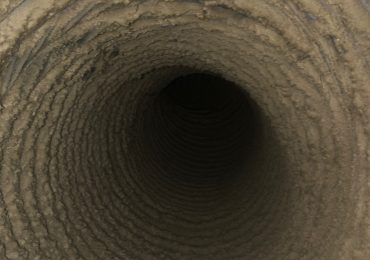

If you want to improve indoor air quality Orlando home, you need to stop thinking small. Opening a window or lighting a candle isn’t going to fix the problem. Indoor air quality is controlled by what circulates through your home every single day—and in Orlando, that’s heavily influenced by humidity, system usage, and buildup inside your home’s ventilation system.
Here’s the reality: most homeowners underestimate how much their indoor environment affects their health and comfort. According to the EPA, indoor air can be 2 to 5 times more polluted than outdoor air. That means the air you breathe inside your home could be carrying more contaminants than what’s outside.
The good news is this—improving your indoor air quality isn’t complicated. But it does require doing the right things consistently.
Start With Your Air System
Your heating and cooling system is the backbone of your home’s air quality. If it’s not maintained properly, everything else you do becomes less effective.
Your system pulls in air, conditions it, and pushes it back out through your air vents. If there’s dust, debris, or buildup inside that system, it gets circulated repeatedly.
The first step is simple:
- Replace your air filter regularly (every 1–3 months depending on usage)
- Make sure your system is running efficiently
- Have your ductwork inspected and cleaned when needed
This isn’t optional maintenance—it’s foundational.
Control Humidity Levels
In Orlando, humidity is one of the biggest contributors to poor indoor air quality.
Excess moisture can lead to:
- Mold and mildew growth
- Musty odors
- Increased allergens
To control humidity effectively:
- Use a dehumidifier if needed
- Ensure your HVAC system is properly sized and functioning
- Fix any leaks or moisture issues immediately
You don’t need to guess here. If your home feels damp or smells musty, you’ve got a humidity problem.
Keep Your Home Clean—But Do It Right
Cleaning matters, but most people don’t do it effectively.
If you’re just moving dust around, you’re not improving air quality—you’re redistributing contaminants.
Focus on:
- Vacuuming with a HEPA filter
- Wiping surfaces with proper cleaning materials
- Cleaning areas that collect dust, like baseboards and vents
Consistency is what makes the difference.
Pay Attention to Your Air Vents
Your air vents are where conditioned air enters your living space. If they’re dirty or blocked, airflow suffers and contaminants can build up.
Make sure to:
- Keep vents clear of furniture and obstructions
- Clean visible dust buildup regularly
- Check for signs of excessive debris
If buildup keeps coming back quickly, it’s usually a sign of a larger issue inside your system.
Limit Indoor Pollutants
A lot of indoor air problems come from everyday habits.
Common sources of indoor pollution include:
- Smoking indoors
- Burning candles frequently
- Using harsh chemical cleaners
- Poorly ventilated cooking
You don’t have to eliminate everything, but you do need to be aware of what you’re introducing into your air.
Improve Ventilation
Fresh air matters—but it has to be controlled.
Simply opening windows in Orlando isn’t always ideal due to humidity and outdoor allergens. Instead, focus on proper ventilation through your home’s system.
Make sure:
- Bathroom and kitchen exhaust fans are working properly
- Your system is circulating air effectively
- Airflow is consistent throughout the home
Ventilation isn’t about letting in more air—it’s about moving air correctly.
Watch for Warning Signs
You don’t need testing equipment to know when your indoor air quality needs attention. Your home will show signs.
Look for:
- Persistent dust buildup
- Musty or stale odors
- Increased allergy symptoms
- Uneven airflow between rooms
- Frequent filter clogging
These are indicators that something isn’t right.
Q&A: Improving Indoor Air Quality
What is the fastest way to improve indoor air quality?
Start with your air filter and system maintenance. Replacing a dirty filter and ensuring proper airflow can make an immediate difference.
Do air purifiers actually help?
They can help, especially in smaller areas. However, they should not replace proper system maintenance. Think of them as a supplement, not a solution.
How often should I check my air filter?
At least once a month. Replace it every 1–3 months depending on usage, pets, and overall conditions.
Can humidity really affect air quality that much?
Yes. High humidity promotes mold growth and increases airborne contaminants. In Orlando, this is one of the biggest factors.
Is professional duct cleaning necessary?
It depends on the condition of your system. If there’s buildup, restricted airflow, or signs of contamination, it’s worth addressing.
Long-Term Habits That Make a Difference
Improving your indoor air quality isn’t about one fix—it’s about consistent habits.
Stick to these:
- Regular system maintenance
- Filter replacement
- Moisture control
- Routine cleaning
You don’t need gimmicks. You need consistency.
Final Thoughts
If you want to truly improve indoor air quality Orlando home, focus on what actually works. Maintain your system, control humidity, reduce pollutants, and stay consistent.
Most problems don’t happen overnight—and neither do solutions. But if you stay on top of it, your home will be cleaner, healthier, and more comfortable.
About ABC Cleaning, Inc.
ABC Cleaning, Inc. helps homeowners across the Orlando area improve their indoor environments through professional system cleaning and maintenance services. We focus on real solutions that make a difference—no shortcuts, no unnecessary upselling, just proven methods that work.
If you’re dealing with dust, airflow issues, or signs of poor air quality, now is the time to take action. Call ABC Cleaning, Inc. today or visit https://abc-cleaninginc.com/ to schedule your service and improve the air inside your home.
Internal Resources
- https://abc-cleaninginc.com/blog/#/
- https://abc-cleaninginc.com/air-duct-cleaning/
- https://abc-cleaninginc.com/dryer-vent-cleaning/