Lint Buildup Fire Risks Hunters Creek homeowners face are often hidden behind walls, inside laundry rooms, and within dryer exhaust systems. While lint may appear harmless when it collects in a lint trap, it can become a significant fire hazard when it accumulates throughout the dryer exhaust line. Unfortunately, many homeowners underestimate how quickly lint can build up and how dangerous excessive accumulation can become.
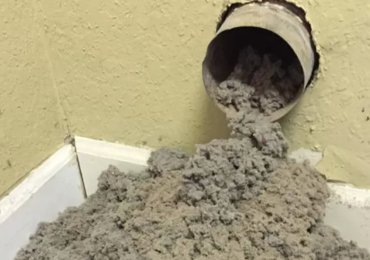
According to the U.S. Fire Administration, failure to clean clothes dryers remains the leading contributing factor in residential dryer fires. Every load of laundry produces lint. Although the lint filter captures a large portion of these fibers, some lint escapes into the exhaust system during every drying cycle. Over time, this buildup can restrict airflow, increase operating temperatures, and create conditions that elevate fire risks.
What Exactly Is Dryer Lint?
Lint consists of tiny fibers that separate from clothing, towels, bedding, and other fabrics during the drying process.
Common lint sources include:
- Cotton clothing
- Towels
- Blankets
- Bedding
- Synthetic fabrics
- Pet hair
Each drying cycle releases thousands of microscopic fibers. While most are trapped by the lint screen, some continue through the exhaust system.
Over time, these fibers begin accumulating inside the dryer exhaust duct.
Why Lint Is Highly Flammable
One reason lint poses such a significant hazard is its composition.
Lint is lightweight, dry, and extremely combustible.
In many ways, lint behaves similarly to tinder used to start a campfire. It ignites easily and burns rapidly when exposed to sufficient heat.
When combined with elevated dryer temperatures, accumulated lint can create a dangerous situation.
How Dryer Exhaust Systems Work
To understand the risks, it helps to understand how dryer systems operate.
During each drying cycle, the dryer:
- Produces heat.
- Removes moisture from clothing.
- Pushes warm, moist air through the exhaust line.
- Vents that air outdoors.
Proper airflow is essential.
When lint accumulates inside the exhaust duct, airflow becomes restricted. As a result, heat and moisture may become trapped within the system.
Restricted Airflow Leads to Higher Temperatures
One of the first consequences of lint buildup is reduced airflow.
When air cannot move freely through the exhaust system, the dryer must work harder to perform its job.
This often results in:
- Longer drying cycles
- Increased operating temperatures
- Greater equipment strain
- Reduced efficiency
The hotter the system becomes, the greater the potential fire risk.
Warning Signs of Dangerous Lint Accumulation
Homeowners should pay attention to early warning signs.
Common indicators include:
- Clothes taking longer to dry
- Excessive heat around the dryer
- Hot laundry room temperatures
- Burning odors
- Weak airflow from the outdoor exhaust hood
- Frequent dryer shutdowns
These symptoms often indicate that lint accumulation is restricting airflow.
Ignoring these signs may allow conditions to worsen over time.
The Lint Trap Only Captures Part of the Problem
Many homeowners clean the lint screen after every load and assume their system is safe.
While cleaning the lint trap is important, it addresses only part of the issue.
Small lint particles routinely bypass the filter and enter the exhaust line.
As a result, buildup may occur inside:
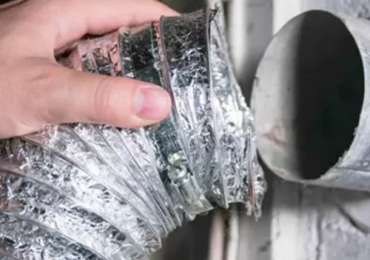
- Exhaust ducts
- Wall cavities
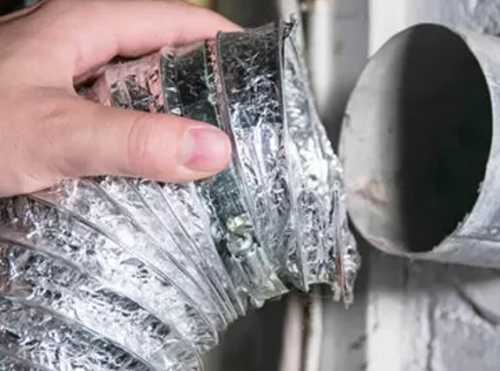
- Vent connectors
- Exterior exhaust hoods
Because these areas are hidden, homeowners often remain unaware of the growing accumulation.
Moisture and Lint Create Additional Problems
Florida’s climate introduces another challenge.
When airflow becomes restricted, moisture removal becomes less effective. Consequently, excess humidity may remain inside the exhaust system.
This combination of:
- Heat
- Lint
- Moisture
can contribute to additional maintenance concerns while reducing overall dryer performance.
Dryer Fires Can Spread Quickly
Lint-related fires often develop rapidly.
Once lint ignites, flames may spread through the exhaust system and potentially affect nearby building materials.
Risk factors include:
- Excessive lint accumulation
- Damaged exhaust ducts
- Poor airflow
- Overheated equipment
- Improper installations
Routine maintenance helps reduce these risks.
Households That Face Higher Risks
Certain households may experience faster lint accumulation than others.
Examples include:
Large Families
More laundry means more lint production.
Pet Owners
Pet hair frequently enters the dryer system and combines with lint.
Frequent Laundry Users
Households that run multiple loads daily often accumulate lint more quickly.
Commercial Properties
Apartment complexes, vacation rentals, and other multi-unit properties typically place greater demands on laundry equipment.
These situations often benefit from more frequent inspections.
Energy Costs May Increase
Lint buildup affects more than safety.
Restricted airflow forces dryers to run longer cycles. Consequently, energy consumption often rises.
Homeowners may notice:
- Higher utility bills
- Reduced drying efficiency
- Increased appliance wear
Maintaining a clear exhaust pathway supports both safety and performance.
The Outdoor Exhaust Hood Can Reveal Problems
One simple way to identify potential restrictions is by checking the outdoor exhaust hood.
A properly functioning system should produce strong airflow.
Warning signs include:
- Weak airflow
- Little flap movement
- Visible lint deposits
- Debris accumulation
These symptoms may indicate the need for professional evaluation.
Why Professional Maintenance Matters
Although homeowners can clean lint screens regularly, professional maintenance provides a deeper level of inspection.
Technicians can evaluate:
- Exhaust duct conditions
- Airflow performance
- Lint accumulation levels
- Vent termination areas
- Potential safety concerns
Professional service helps identify hidden problems before they become serious hazards.
Why Hunters Creek Homeowners Should Take Action
Hunters Creek families often use dryers year-round. Combined with busy household schedules, frequent laundry loads can lead to significant lint accumulation over time.
Many homeowners do not realize a problem exists until drying times increase or performance declines.
Routine inspections help identify buildup early and support safer operation throughout the year.
Frequently Asked Questions About Lint Buildup Fire Risks Hunters Creek
- Can lint really cause a house fire?
A. Yes. Lint is highly combustible, and excessive accumulation can ignite when exposed to elevated dryer temperatures. - How often should dryer exhaust systems be inspected?
A. Most homes benefit from annual inspections, although larger households may require more frequent evaluations. - Is cleaning the lint trap enough?
A. No. While important, the lint trap does not capture all lint. Some fibers enter the exhaust system during every drying cycle. - What are the signs of a blocked dryer exhaust line?
A. Common signs include longer drying times, overheating, burning odors, and weak outdoor airflow. - Can pet hair increase fire risks?
A. Yes. Pet hair combines with lint and may contribute to faster accumulation inside the exhaust system. - Why does my dryer feel hot during operation?
A. Excessive heat often indicates restricted airflow caused by lint buildup or other exhaust system obstructions. - Does lint buildup affect energy efficiency?
A. Yes. Restricted airflow forces dryers to run longer, increasing energy consumption. - Is professional maintenance worth it?
A. Professional inspections help identify hidden lint accumulation and reduce potential fire hazards before they become serious problems.
Reduce Fire Risks With Proper Dryer Exhaust Maintenance
Lint buildup is a common but often overlooked household hazard. While the lint trap captures a portion of the fibers generated during drying cycles, significant accumulation can still occur throughout the exhaust system. By recognizing warning signs and scheduling routine maintenance, homeowners can help reduce fire risks, improve dryer performance, and support safer operation.
ABC Cleaning Inc. proudly provides professional dryer exhaust maintenance, HVAC cleaning, chimney services, mold prevention treatments, and indoor air quality solutions throughout Hunters Creek and the greater Orlando area. Our experienced team helps homeowners improve safety, increase efficiency, and protect their homes from preventable hazards. Contact ABC Cleaning Inc. today to schedule a professional dryer exhaust inspection and keep your laundry system operating safely.
Internal Resources
- https://abc-cleaninginc.com/
- https://abc-cleaninginc.com/blog/#/
- https://abc-cleaninginc.com/dryer-vent-cleaning/