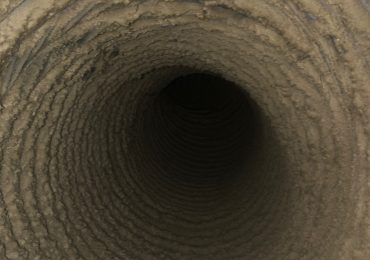
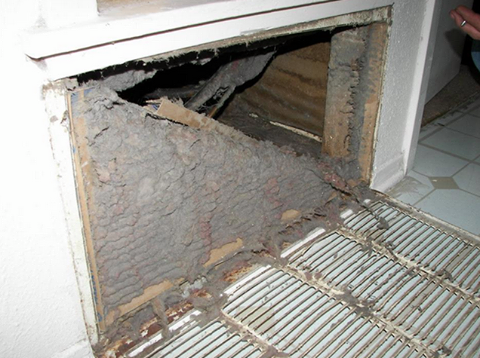
Air Vent Cleaning Inspections St. Cloud homeowners schedule often reveal issues that are hidden from everyday view. Because air vents are connected to a larger HVAC system concealed behind walls, ceilings, and floors, many airflow problems go unnoticed until they begin affecting comfort or performance. While homeowners may occasionally notice dust around air vents, inspections frequently uncover conditions that are not visible from the living space.
Routine inspections help identify airflow restrictions, dust accumulation, and other concerns before they contribute to larger HVAC performance issues. Understanding the most common findings can help homeowners appreciate the value of preventive maintenance.
Why Air Vent Inspections Matter
Air vents serve as the visible access points of the HVAC system.
They help distribute conditioned air throughout:
- Bedrooms
- Living rooms
- Kitchens
- Offices
- Hallways
Because air passes through these openings every day, vent conditions often provide clues about the overall health of the system.
Professional inspections help determine whether hidden issues may be affecting airflow.
Dust Accumulation Is the Most Common Finding
Dust buildup is one of the most frequently observed conditions during inspections.
Common dust sources include:
- Skin cells
- Fabric fibers
- Pet dander
- Pollen
- Outdoor debris
As these materials circulate through the home, some eventually settle near or inside air vents.
Over time, accumulation may become significant enough to affect airflow.
Excessive Dust Around Air Vents
Homeowners often notice dust collecting around vent covers.
This may indicate:
- Airflow turbulence
- Dust circulation
- HVAC system accumulation
While some dust is normal, excessive buildup often warrants further evaluation.
Inspections help determine whether the issue is isolated or part of a larger airflow concern.
Restricted Airflow
Reduced airflow is another common finding.
Potential causes include:
- Dust accumulation
- Obstructions
- Damaged duct sections
- System imbalances
Homeowners may notice certain rooms receiving less airflow than others.
Inspections help identify the source of these restrictions.
Uneven Temperatures Throughout the Home
Many homeowners schedule inspections after noticing temperature differences between rooms.
Common complaints include:
- Hot bedrooms
- Warm upstairs areas
- Cool living rooms
- Inconsistent comfort
Airflow issues often contribute to these conditions.
Identifying airflow restrictions allows homeowners to address the underlying problem rather than simply adjusting thermostat settings.
Pet Hair and Dander Accumulation
Homes with pets frequently experience greater accumulation levels.
Inspectors commonly find:
- Pet hair
- Fur
- Dander
within various HVAC components.
Because these materials are lightweight, they often travel throughout the air circulation system.
Multiple-pet households may experience faster accumulation rates.
Construction Dust Remains a Frequent Issue
Many homes contain lingering construction debris.
Common sources include:
- Drywall sanding
- Flooring installation
- Remodeling projects
- Home renovations
Even after visible cleanup is completed, microscopic particles may remain within airflow pathways.
Inspections frequently reveal construction-related buildup long after projects have ended.
Blocked or Obstructed Air Vents
Furniture placement sometimes creates unexpected airflow problems.
Inspectors often discover:
- Vents blocked by couches
- Furniture covering registers
- Decorative items restricting airflow
These seemingly minor issues can reduce airflow and affect comfort throughout the home.
Damaged Vent Covers
Air vent covers occasionally become damaged over time.
Common problems include:
- Bent louvers
- Broken covers
- Loose mounting hardware
- Missing components
Damaged covers may affect airflow direction and system appearance.
Replacing damaged covers often improves both function and aesthetics.
Signs of Excess Moisture
Florida’s humid climate occasionally contributes to moisture-related concerns.
Inspectors may observe:
- Condensation
- Moisture stains
- Musty odors
While moisture issues can originate from multiple sources, airflow evaluations often help identify contributing factors.
Air Filter Issues
Many airflow concerns can be traced to filter-related problems.
Common findings include:
- Dirty filters
- Improperly sized filters
- Overdue replacements
Because filters influence airflow throughout the system, regular replacement remains important.
Why St. Cloud Homes Experience Airflow Challenges
St. Cloud homeowners face environmental conditions that place ongoing demands on HVAC systems.
These include:
- Long cooling seasons
- High humidity
- Seasonal pollen
- Frequent HVAC operation
Over time, these factors contribute to normal accumulation throughout airflow pathways.
Routine inspections help identify concerns before they affect comfort.
Warning Signs That an Inspection May Be Needed
Several indicators suggest that an inspection could be beneficial.
These include:
- Dust around vents
- Reduced airflow
- Uneven temperatures
- Rising utility bills
- Frequent filter changes
- Increased HVAC runtime
Recognizing these symptoms early helps homeowners address issues proactively.
Benefits of Air Vent Cleaning Inspections
Homeowners who schedule inspections often experience several advantages.
Potential benefits include:
- Improved airflow
- Better comfort
- Reduced dust circulation
- Enhanced HVAC performance
- More consistent temperatures
These improvements help support a cleaner and more comfortable indoor environment.
Preventive Maintenance Helps Avoid Larger Problems
Many HVAC concerns develop gradually.
Routine inspections help identify:
- Airflow restrictions
- Dust accumulation
- Equipment strain
- Developing maintenance needs
Addressing small issues early often prevents larger and more expensive problems later.
Frequently Asked Questions About Air Vent Cleaning Inspections St. Cloud
- What is the most common issue found during air vent inspections?
A. Dust accumulation is typically the most common finding in residential HVAC systems. - Why is dust collecting around my air vents?
A. Dust around vents may indicate airflow circulation patterns or buildup within the HVAC system. - Can pets affect air vent conditions?
A. Yes. Pet hair and dander frequently contribute to accumulation within airflow pathways. - Do renovations affect air vents?
A. Absolutely. Construction dust often enters HVAC systems during remodeling projects. - Why are some rooms warmer than others?
A. Airflow restrictions, blocked vents, and system imbalances often contribute to uneven temperatures. - Can furniture affect HVAC airflow?
A. Yes. Furniture placed over or near air vents may restrict airflow and reduce system performance. - How often should air vent inspections be scheduled?
A. Inspection schedules vary, but routine evaluations help identify developing concerns. - Is preventive maintenance worthwhile?
A. Many homeowners find that preventive maintenance improves comfort and supports long-term HVAC performance.
Discover Hidden HVAC Problems Before They Grow
Many airflow issues remain hidden until they begin affecting comfort, efficiency, or indoor air quality. Air vent cleaning inspections help identify dust accumulation, airflow restrictions, damaged components, and other concerns before they become larger problems. By taking a proactive approach, homeowners can support better airflow, improved comfort, and more reliable HVAC performance throughout the year.
ABC Cleaning Inc. proudly provides professional air vent cleaning inspections, HVAC maintenance, dryer exhaust services, chimney care, mold prevention treatments, and indoor air quality solutions throughout St. Cloud and the greater Orlando area. Our experienced team helps homeowners improve airflow, reduce dust accumulation, and maintain healthier indoor environments. Contact ABC Cleaning Inc. today to schedule a professional inspection and keep your HVAC system operating at its best.
Internal Resources
- https://abc-cleaninginc.com/
- https://abc-cleaninginc.com/blog/#/
- https://abc-cleaninginc.com/air-duct-cleaning/