
Most Central Florida homeowners expect their air conditioners to work overtime during the summer, but many are surprised to learn that their clothes dryer also faces extra challenges during the hottest months of the year. If you’ve noticed your laundry taking longer to dry, your laundry room feeling unusually warm, or your dryer running through multiple cycles, Florida’s heat and humidity could be part of the reason.
Summer weather places additional demands on your entire home’s ventilation system. While your dryer produces heat year-round, high outdoor temperatures and increased humidity make it more difficult for moisture to leave your clothing efficiently. If your dryer vent is partially blocked by lint or debris, those seasonal conditions can become even more noticeable.
According to the U.S. Fire Administration, nearly 3,000 home clothes dryer fires are reported each year in the United States, with failure to clean the dryer and its venting system being one of the leading contributing factors. Regular dryer vent maintenance not only improves performance but also plays an important role in home safety.
Understanding why your dryer works harder during Florida summers can help you recognize potential warning signs before they become expensive repairs or serious safety concerns.
Why Summer Heat Makes Dryers Less Efficient
Your dryer works by circulating heated air through damp clothing while exhausting warm, moisture-filled air outside your home through the dryer vent.
When outdoor temperatures climb into the 90s and humidity levels remain high, the dryer has to work against an environment that is already saturated with heat and moisture. Although your dryer is designed to handle these conditions, its efficiency can decline if airflow is restricted.
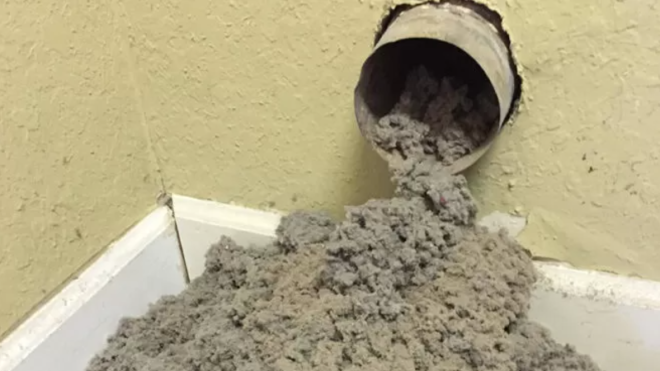
A properly functioning dryer vent allows moist air to escape quickly. However, when lint begins collecting inside the vent, airflow slows considerably. Moisture remains trapped inside the dryer longer, forcing the appliance to continue running in order to dry your clothes.
The result is often:
- Longer drying times
- Higher energy usage
- Increased wear on the dryer
- Excess heat inside the laundry room
- Added strain on clothing fabrics
For many homeowners, these changes happen gradually and may not be noticed until drying cycles become significantly longer.
The Hidden Role of Humidity
Humidity doesn’t just make people uncomfortable—it also affects how efficiently moisture evaporates from clothing.
Florida’s humid air naturally contains more moisture than drier climates. Because your dryer depends on moving moisture away from wet clothing, high humidity means it must work harder to accomplish the same job.
Think of it like trying to dry a towel outside on a sunny day. In Arizona, it may dry quickly. In Central Florida during July, that same towel could remain damp much longer because the surrounding air is already carrying significant moisture.
Inside your dryer, unrestricted airflow becomes even more important during these humid months.
Signs Your Dryer Vent May Be Restricting Airflow
A partially clogged dryer vent often develops slowly, making it easy to overlook early warning signs.
Pay attention if you notice:
- Clothes requiring two or three drying cycles.
- Towels remaining damp after a full cycle.
- The outside of the dryer becoming unusually hot.
- A laundry room that feels hotter than normal.
- A burning odor while the dryer operates.
- Excess lint collecting around the dryer.
- The exterior vent flap opening only slightly while the dryer is running.
None of these signs should be ignored. While some may indicate appliance issues, restricted dryer vent airflow is one of the most common causes.
Why Lint Is More Dangerous Than Many Homeowners Realize
Lint appears soft and harmless, but it is highly combustible.
Every load of laundry produces lint as fabrics shed tiny fibers. Although the lint trap captures much of this material, some particles continue into the dryer vent system.
Over months of regular use, lint gradually accumulates inside the vent. Elbows, long vent runs, and flexible duct sections often collect the largest deposits because airflow naturally slows in those areas.
As buildup increases, less air reaches the outside of the home. Heat remains trapped inside the dryer longer, increasing operating temperatures and forcing the appliance to work harder.
Beyond reducing efficiency, excessive lint accumulation increases the risk of overheating and potential fire hazards. This is why routine dryer vent maintenance is recommended as part of overall home safety.
Why Florida Homes May Need More Frequent Attention
Central Florida homeowners often do more laundry during the summer than they realize.
Beach towels, swimsuits, athletic clothing, vacation laundry, children’s summer activities, and extra household guests all contribute to increased dryer use.
The more frequently a dryer operates, the faster lint can accumulate inside the vent system.
Large families, pet owners, vacation rental properties, and homes with teenagers often place especially heavy demands on their dryers throughout the year.
Rather than waiting until problems develop, routine inspections help identify airflow restrictions before they begin affecting appliance performance.
Simple Ways to Help Your Dryer Perform Better During Florida Summers
Fortunately, there are several easy steps homeowners can take to improve dryer performance and reduce unnecessary wear on the appliance.
Start by cleaning the lint screen before every load. Even a thin layer of lint can reduce airflow and make your dryer work harder.
Avoid overloading the dryer. Large loads take longer to dry because heated air cannot circulate freely between clothing. Drying medium-sized loads often results in shorter drying times and less strain on the appliance.
Periodically check the exterior dryer vent while the dryer is running. The vent flap should open fully as warm air is exhausted. If it barely opens or no air seems to be flowing, it may indicate a restriction somewhere in the vent system.
Finally, schedule routine dryer vent cleaning. Even if your dryer appears to be working normally, lint can gradually accumulate inside the vent where it cannot be seen. Professional cleaning removes this buildup and helps restore proper airflow.
Common Mistakes Homeowners Make With Their Dryer
Many dryer problems develop because of simple maintenance habits that are easy to overlook.
Some of the most common mistakes include:
- Forgetting to clean the lint screen before every load.
- Pushing the dryer too close to the wall and crushing the vent hose.
- Using flexible plastic or vinyl dryer ducts instead of rigid metal ducting where permitted by code.
- Running multiple oversized loads back-to-back without allowing the dryer to cool.
- Ignoring longer drying times because the dryer “still works.”
- Never inspecting the exterior vent cover.
- Waiting until the dryer stops working before scheduling maintenance.
Correcting these habits can improve efficiency, extend the life of the appliance, and help reduce potential safety hazards.
Professional Tips from ABC Cleaning, Inc.
After helping Central Florida homeowners since 1992, we’ve found that the most expensive dryer repairs are often preventable.
Here are a few recommendations from our team:
- Clean the lint screen before every load—not afterward.
- Check the exterior vent periodically to confirm strong airflow.
- Keep the area around the dryer clean and free of lint buildup.
- If your clothes consistently require multiple drying cycles, don’t ignore the problem.
- Schedule professional dryer vent cleaning at least annually, or more often if your household does a high volume of laundry.
- Have the vent inspected after home renovations or if you’ve recently purchased an older home and are unsure of its maintenance history.
Routine maintenance is one of the simplest ways to help protect both your appliance and your home.
Frequently Asked Questions About Dryer Vent Cleaning During Florida Summers
Why does my dryer take longer to dry clothes during the summer?
High humidity makes it more difficult for moisture to evaporate from clothing. If the dryer vent is partially clogged, restricted airflow makes drying times even longer.
How often should a dryer vent be professionally cleaned?
Most homes benefit from an annual inspection and cleaning. Larger families, pet owners, or homes with heavy laundry usage may require more frequent service.
Is it normal for my laundry room to feel hot?
Some warmth is expected, but excessive heat may indicate poor ventilation or restricted airflow inside the dryer vent.
Can a clogged dryer vent increase my electric bill?
Yes. Longer drying cycles require the dryer to run longer, which increases energy consumption.
What are the warning signs of a clogged dryer vent?
Common signs include longer drying times, hot clothing, a hot dryer exterior, a burning smell, excess lint, and weak airflow from the outside vent.
Can I clean my own dryer vent?
Homeowners can clean the lint screen and remove visible lint around the dryer. However, the full vent system often requires specialized equipment to remove accumulated lint safely and completely.
Does dryer vent cleaning extend the life of my dryer?
Improved airflow reduces unnecessary strain on the heating element, blower, and other components, which may help reduce wear over time.
Are birds and animals a problem for dryer vents?
Yes. Birds occasionally build nests inside uncovered exterior vents, restricting airflow and creating additional blockages.
Is dryer vent cleaning messy?
Professional equipment is designed to remove lint efficiently while minimizing disruption inside the home.
Is dryer vent cleaning really necessary if my dryer still works?
Yes. Many clogged vents continue functioning for months before homeowners notice significant performance issues. Preventative maintenance helps identify problems before they become larger safety concerns.
Florida’s hot, humid summers place extra demands on your dryer every time you do laundry. Paying attention to longer drying times, unusual heat, and reduced airflow can help you identify developing problems before they become expensive repairs or serious fire hazards. A little preventative maintenance today can improve dryer performance, lower energy costs, and provide greater peace of mind throughout the year.
For more than 30 years, ABC Cleaning, Inc. has proudly served homeowners and businesses throughout the Greater Orlando area with professional dryer vent cleaning, air duct cleaning, commercial air duct cleaning, chimney cleaning and repair, apartment and condominium vent cleaning, and indoor air quality services. Our experienced team is committed to providing honest recommendations, exceptional workmanship, and outstanding customer service. If your dryer is taking longer to dry clothes or you haven’t had your dryer vent professionally cleaned in some time, contact ABC Cleaning, Inc. today to schedule an inspection and help keep your home operating safely and efficiently.
Internal Links:
- https://abc-cleaninginc.com/dryer-vent-cleaning/
- https://abc-cleaninginc.com/air-duct-cleaning/
- https://abc-cleaninginc.com/blog/#/
External Links: