Few household appliances are used as often as the clothes dryer. When it’s working properly, a load of laundry is dry in about the time you expect. But when drying times begin getting longer and longer, it’s usually a sign that something has changed.
Since 1992, ABC Cleaning, Inc. has helped homeowners throughout Central Florida improve dryer performance through professional dryer vent cleaning. Over the years, we’ve found that extended drying times are often caused by restricted airflow, poor venting, or simple maintenance issues that are frequently overlooked.
Understanding the possible causes can help you determine whether the issue is something you can address yourself or whether it’s time to have your dryer vent professionally inspected.
Why Drying Time Matters
A dryer that takes two or three cycles to dry a load isn’t just inconvenient.
Longer drying times can also:
- Increase energy consumption
- Put additional wear on your dryer
- Shorten the life of clothing
- Cause unnecessary heat buildup
- Indicate restricted airflow that should be addressed
If your dryer suddenly begins taking much longer than normal, it’s worth finding out why.
Common Cause #1: A Clogged Lint Filter
This may sound obvious, but it’s also the most common issue.
Even a partially clogged lint screen can reduce airflow through the dryer.
The lint filter should be cleaned after every load. If fabric softener residue has built up on the screen, washing it occasionally with warm water and mild soap can help restore proper airflow.
Common Cause #2: Overloading the Dryer
Packing too many clothes into the dryer reduces the amount of space available for hot air to circulate.
When air can’t move freely between garments, clothes take longer to dry—even if the dryer is functioning normally.
Following the manufacturer’s recommended load size helps improve drying performance and reduces unnecessary wear on the appliance.
Common Cause #3: Restricted Dryer Vent Airflow
Once warm, moist air leaves the dryer, it travels through the dryer vent to the outside of your home.
If lint accumulates inside the vent, airflow becomes restricted.
As airflow decreases, moisture stays inside the dryer longer, making clothes take more time to dry.
Restricted dryer vents are one of the most common causes of extended drying times.
Common Cause #4: A Blocked Exterior Vent Hood
The vent hood located on the outside of your home should open freely while the dryer is operating.
If the flap becomes stuck or blocked by lint, leaves, or debris, moist air may not escape efficiently.
A quick visual inspection while the dryer is running can often reveal whether the vent hood is opening properly.
One Thing We’ve Learned Over the Years
One of the first questions we ask homeowners is:
“Did the dryer gradually begin taking longer, or did it happen all at once?”
A gradual increase in drying time often points to airflow becoming more restricted over time.
A sudden change may indicate a mechanical problem, a disconnected vent, or another issue that deserves closer attention.
Understanding when the problem started often provides valuable clues about what’s causing it.
Common Cause #5: Crushed or Kinked Dryer Vent
The flexible vent located behind the dryer can sometimes become crushed when the appliance is pushed back against the wall.
A kinked or flattened vent restricts airflow and prevents moist air from leaving the dryer as efficiently as it should.
If you’ve recently moved your dryer or installed a new appliance, it’s worth checking that the vent hose isn’t pinched or damaged.
Common Cause #6: Excessive Lint Inside the Dryer Vent
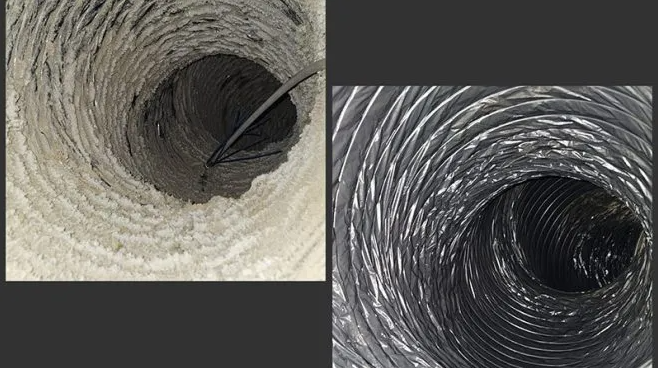
Even if you clean the lint filter after every load, lint still makes its way into the dryer vent over time.
As lint accumulates, the vent opening becomes smaller, restricting airflow and forcing the dryer to work harder.
According to the U.S. Fire Administration, failure to clean dryers is a leading factor contributing to residential clothes dryer fires. Regular dryer vent maintenance helps improve airflow while reducing unnecessary lint buildup.
Common Cause #7: Moisture or Animal Nesting in the Vent
Although less common, birds or other wildlife may build nests inside an uncapped or damaged dryer vent.
In addition, moisture can sometimes cause lint to clump together, creating an obstruction inside the vent.
Both situations can significantly reduce airflow and increase drying times.
Common Cause #8: A Dryer That Needs Service
Sometimes the issue isn’t the vent at all.
Heating elements, thermostats, moisture sensors, or other internal components can wear out over time.
If the dryer vent has been inspected and airflow is good, but drying performance continues to decline, the appliance itself may require service by a qualified appliance repair technician.
What Can Homeowners Check?
Before scheduling service, there are a few simple things you can safely inspect.
Ask yourself:
- Did you clean the lint filter?
- Is the exterior vent hood opening while the dryer is running?
- Is the dryer overloaded?
- Has the vent hose behind the dryer become crushed?
- Are clothes noticeably hotter or wetter than usual at the end of the cycle?
These basic observations often provide helpful clues about the source of the problem.
When Is It Time for Professional Dryer Vent Cleaning?
If you’ve ruled out the obvious causes and your dryer still requires multiple cycles to dry clothes, the vent system may need professional attention.
A professional dryer vent cleaning may be appropriate when:
- Drying times continue increasing.
- The dryer feels unusually hot.
- The laundry room becomes warmer than normal.
- You notice a burning smell while drying clothes.
- The exterior vent has little airflow.
- It’s been several years since the vent was professionally cleaned.
Rather than guessing, having the vent inspected allows homeowners to understand its condition and determine whether cleaning is needed.
What We’ve Learned Since 1992
One thing we’ve consistently noticed is that many homeowners replace perfectly good dryers when the real problem is restricted airflow.
A dryer depends on moving warm, moist air outside the home.
When that airflow is restricted, the appliance has to work harder and longer to produce the same results.
By identifying the cause first, homeowners can often avoid unnecessary appliance replacement and improve both efficiency and performance.
So…What Should You Do Next?
If your dryer has started taking longer than normal to dry clothes, begin with the simple checks.
Clean the lint filter, make sure the exterior vent hood opens properly, and verify that the vent hose behind the dryer isn’t crushed.
If drying times continue to increase despite those efforts, consider having the dryer vent professionally inspected.
Knowing whether the vent is restricted allows you to choose the right solution while helping your dryer operate more efficiently.
Key Takeaways
- Longer drying times are often caused by restricted airflow rather than a failing dryer.
- A clogged lint filter, blocked vent hood, crushed vent hose, or lint buildup inside the vent are among the most common causes.
- Homeowners can safely perform several basic checks before scheduling service.
- Professional dryer vent cleaning may improve airflow when lint buildup restricts the vent.
- Addressing airflow problems promptly can help improve dryer performance and reduce unnecessary wear on the appliance.
Frequently Asked Questions
Why is my dryer taking two or three cycles to dry clothes?
Restricted airflow is one of the most common causes. A clogged dryer vent, blocked exterior vent hood, or crushed vent hose may prevent moist air from leaving the dryer efficiently.
How often should a dryer vent be cleaned?
The ideal schedule depends on how often the dryer is used, the length of the vent, and the size of the household. A professional inspection can help determine whether cleaning is needed.
Does cleaning the lint filter eliminate the need for dryer vent cleaning?
No. The lint filter captures much of the lint, but some particles continue into the vent system where they can accumulate over time.
Is a hot dryer a warning sign?
A dryer that becomes unusually hot or requires multiple cycles to dry clothes may indicate restricted airflow or another issue that should be evaluated.
About ABC Cleaning, Inc.
Since 1992, ABC Cleaning, Inc. has helped homeowners throughout Central Florida improve dryer performance and safety through professional dryer vent cleaning services. We also provide air duct cleaning, air duct disinfecting, chimney cleaning, chimney inspections, chimney caps, commercial air duct cleaning, apartment and condominium vent cleaning, and mold & mildew preventative treatments.
Our goal is to help homeowners understand the condition of their dryer vent system and recommend services only when they’re appropriate. Whether your dryer is taking longer to dry clothes or you simply want to improve airflow, our experienced technicians provide honest evaluations and dependable service backed by more than three decades of experience.
Internal Resources
- Dryer Vent Cleaning
https://abc-cleaninginc.com/dryer-vent-cleaning/ - Air Duct Cleaning
https://abc-cleaninginc.com/air-duct-cleaning/ - ABC Cleaning, Inc. Blog
https://abc-cleaninginc.com/blog/
External Resources
- U.S. Fire Administration – Clothes Dryer Fire Safety
https://www.usfa.fema.gov - National Fire Protection Association (NFPA)
https://www.nfpa.org - Consumer Product Safety Commission (CPSC)
https://www.cpsc.gov