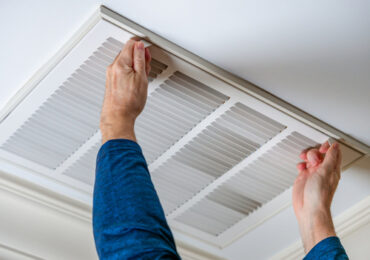
A dryer exhaust pathway inspection Hunters Creek homeowners can count on isn’t a convenience—it’s responsible home maintenance. The exhaust pathway is the only route hot, moisture-laden air has to escape your dryer. When lint buildup begins, it doesn’t take long before airflow weakens, temperatures rise, and the entire system starts working harder than it should.
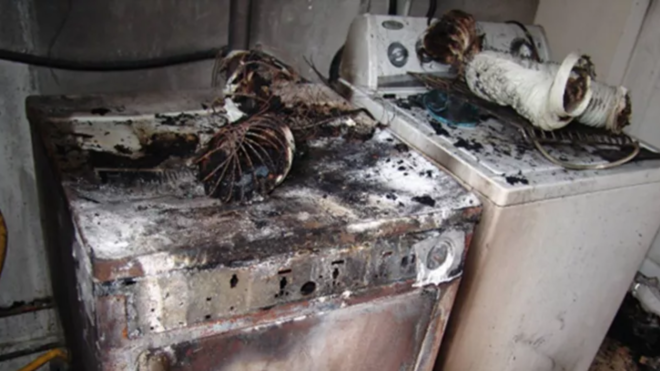
Most families assume that cleaning the lint trap is enough. It isn’t. The real danger sits deeper in the pathway, hidden in bends, joints, and long horizontal stretches that collect years’ worth of lint and moisture. According to the U.S. Fire Administration, nearly 34% of dryer fires stem directly from failure to clean the exhaust system. That statistic should be reason enough to schedule regular inspections.
Why Inspections Matter More in Hunters Creek
Homes in Hunters Creek tend to rely heavily on their dryers due to the area’s steady humidity. That humidity clings to lint, making it stick to the internal walls of the exhaust pathway faster than in dry climates. Families with larger households or frequent laundry loads experience even quicker buildup.
But there’s another factor many people overlook: modern homes often include long or complex exhaust routes. Multiple turns, extended vertical rises, or attic-level pathways create choke points where lint settles. These are locations homeowners never see—yet they’re where most blockages are found.
Clear Warning Signs Your Exhaust Pathway Needs an Inspection
You don’t need specialized equipment to know something’s wrong. Homes often begin showing early signs of trouble:
- Clothing takes longer to dry than it used to
- The dryer feels unusually hot on the top or sides
- Humidity builds up around the laundry area
- A burnt or musty smell comes from the machine
- Excess lint gathers around the air vent
While homeowners often dismiss these symptoms, they signal airflow restriction. Once heat becomes trapped in the dryer cabinet or the pathway walls, the risk of ignition rises sharply.
What a Proper Exhaust Pathway Inspection Includes
A thorough inspection isn’t guesswork. It follows a systematic, old-fashioned approach: look closely, check every connection, verify drafts, measure airflow, and evaluate all segments of the pathway.
During an inspection, a trained technician examines:
- The dryer-to-wall transition duct
- All bends and elbows in the pathway
- The full length of internal exhaust lines
- Air vent termination outside the home
- Internal buildup using specialized tools
- Airflow velocity leaving the system
This process isn’t rushed. It’s detailed, deliberate, and rooted in the belief that safety comes from doing the job right—just as it was done decades ago, when technicians took pride in thorough workmanship.
How Inspections Improve the Dryer’s Performance
Homeowners often assume their dryer is wearing out. In reality, most dryers are fighting restricted airflow. Once the pathway is inspected and cleared, these improvements are typical:
- Shorter dry times
- Lower energy consumption
- Reduced strain on heating elements
- Less risk of overheating
- More consistent temperatures during cycles
Manufacturers warn that restricted pathways contribute to premature breakdowns. A heating element replaced once could have lasted years longer had the pathway been inspected sooner.
The Hidden Moisture Problem Inside Exhaust Pathways
Humidity is a silent enemy. When moisture becomes trapped inside the pathway, it mixes with lint and forms dense, stubborn layers that cling to the walls. This wet buildup accelerates corrosion, encourages microbial growth, and contributes to foul odors. In older homes, condensation can even seep into building materials and cause structural damage.
An inspection identifies these moisture pockets before they lead to bigger problems.
Safety Benefits That Matter to Families
Every homeowner wants to protect their household, and most don’t realize their dryer is one of the few appliances that can cause a house fire without warning. Unlike other dangers, dryer exhaust risks occur quietly and gradually.
A professional inspection ensures:
- Lint blockages are caught early
- Heat can escape safely
- The pathway is structurally sound
- Air vents are not obstructed by vegetation or debris
- The dryer is not straining to push air through
When the inspection is complete, you have peace of mind knowing your dryer’s most vulnerable pathway has been evaluated by someone who knows what to look for.
Why Annual Inspections Are Best for Hunters Creek Homes
Some regions recommend inspections every two to three years. But Florida’s climate changes the rules. Humidity, regular use, and long pathway designs make yearly inspections the smarter, more traditional choice.
Preventive care always costs less than repairs. It’s the same principle older generations lived by—maintain what you own, and it will last.
Professional Workmanship That Makes the Difference
At ABC Cleaning, Inc., inspections are not rushed or superficial. We look at the entire exhaust pathway, not just the easy-to-access areas. We believe in doing things correctly, with careful attention to detail. That’s how homeowners stay safe, and that’s how a company earns trust.
Internal Resources
- https://abc-cleaninginc.com/dryer-vent-cleaning/
- https://abc-cleaninginc.com/mold-mildew-prevention/
- https://abc-cleaninginc.com/chimney-repair/
External Resources
- U.S. Fire Administration: https://www.usfa.fema.gov
- National Fire Protection Association: https://www.nfpa.org
- EnergyStar Clothes Dryer Safety: https://www.energystar.gov/products/appliances/clothes_dryers
About ABC Cleaning, Inc.
ABC Cleaning, Inc. has served Central Florida for over 30 years. We believe in doing the job the right way—carefully, thoroughly, and with respect for your home. A professional dryer exhaust inspection can prevent fires, protect your laundry equipment, and keep your home running safely. Contact us today to schedule your inspection and give your family the peace of mind they deserve.