
Winter dryer moisture problems Orlando homeowners experience are rarely obvious at first. Clothes may feel slightly damp after a normal cycle. The laundry room may feel humid even when the rest of the house does not. Drying times may stretch just a little longer than usual. Because Florida winters are mild, many homeowners dismiss these signs as normal seasonal variation. That assumption is exactly how moisture problems grow quietly over time.
During winter months, airflow patterns inside the home change. Windows stay closed more often. HVAC systems cycle differently. Laundry loads increase as heavier clothing, towels, and blankets are washed more frequently. These shifts create ideal conditions for moisture to become trapped inside dryer air vent systems, where it can no longer exit the home efficiently.
According to the U.S. Department of Energy, dryers operating with restricted airflow and excess moisture can use up to 30 percent more energy per load. Moisture inside a dryer system is not just an efficiency issue. It is a signal that airflow is compromised and that safety, appliance lifespan, and indoor air quality may all be affected.
How Dryer Moisture Is Designed to Exit the Home
A dryer removes moisture through a straightforward process. Heated air moves through the drum, absorbs moisture from wet clothing, and exits the home through an air vent pathway. When airflow is steady and unobstructed, moisture is expelled quickly and safely outdoors.
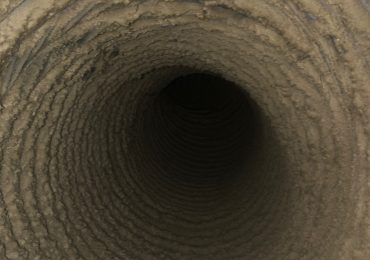
In real homes, lint complicates this process. Even when homeowners clean the lint screen regularly, fine fibers escape and travel into the air vent system. Over time, these fibers cling to the interior walls of the vent, narrowing the pathway and slowing airflow.
When airflow slows, warm moist air cools inside the vent instead of exiting. Condensation forms along the vent walls, and moisture remains trapped where it should not be. Winter conditions magnify this effect by reducing overall ventilation throughout the home.
Why Winter Makes Dryer Moisture Problems Worse in Orlando
Florida homes are built to manage humidity, but winter alters daily habits. Homeowners close windows at night. Interior air circulation decreases. Laundry routines change as bulkier fabrics are washed and dried more often.
Heavier fabrics hold more water and take longer to dry. As drying cycles extend, more moisture enters the air vent system. At the same time, cooler exterior temperatures cause warm, moist air to condense more quickly inside the vent.
Moist lint sticks aggressively to vent walls, forming thick layers that trap even more humidity. This creates a cycle where each load worsens the problem. Because winter air feels cooler, many homeowners do not realize how much moisture is building up inside the system.
What This Looks Like in Real Orlando Homes
In many Orlando homes, laundry rooms are located inside conditioned space. When dryer moisture becomes trapped, humidity spreads into nearby rooms. Homeowners may notice musty odors, condensation on walls, or unexplained dampness without realizing the dryer is the source.
In townhomes and condominiums, shared vent pathways can amplify the problem. One restricted air vent can affect multiple units, making moisture issues harder to diagnose and easier to ignore.
Older homes with longer vent runs, attic routing, or outdated vent materials are especially vulnerable. Moisture builds slowly, often over several winters, until performance issues become impossible to ignore.
How Trapped Moisture Affects Safety, Efficiency, and the Home
Moisture forces dryers to run longer to achieve the same results. Longer run times increase electricity consumption and raise monthly utility bills. Over time, excess moisture accelerates corrosion inside the appliance and the air vent system itself.
Moist lint also increases fire risk. While dry lint ignites easily, moist lint traps heat longer, creating dangerous temperature buildup inside the air vent. This combination is a common factor in dryer-related incidents.
Beyond the dryer, trapped moisture affects indoor air quality. Elevated humidity encourages mold growth, dust accumulation, and discomfort throughout the home. What starts as a laundry issue often becomes a whole-house problem.
Warning Signs Homeowners Should Not Ignore
Common indicators of dryer moisture problems include:
- Clothes remaining damp after a normal drying cycle
- A musty smell near the dryer or air vent
- Condensation near the exterior vent opening
- Increased humidity in the laundry area
- Longer drying times without larger loads
These signs indicate that moisture is not exiting properly and that airflow is restricted.
What Homeowners Can and Cannot Fix Themselves
Homeowners can reduce moisture buildup by cleaning lint screens after every load and avoiding overloading the dryer. Checking the exterior air vent opening for visible blockages also helps.
However, internal moisture problems inside air vent pathways are not visible and cannot be addressed with basic cleaning alone. Moist lint buildup deep inside the system requires professional inspection and maintenance to fully restore airflow.
Ignoring these hidden issues allows moisture to continue accumulating, even when surface-level habits are improved.
Frequently Asked Questions About Winter Dryer Moisture Problems
Q: Why does my dryer leave clothes damp in winter?
A: Winter conditions reduce airflow and increase moisture retention, especially when heavier fabrics are dried and ventilation is limited.
Q: Can trapped moisture damage my dryer?
A: Yes. Excess moisture accelerates corrosion, shortens appliance lifespan, and increases repair costs.
Q: Is dryer moisture a safety concern?
A: Yes. Moist lint traps heat and increases the risk of overheating and fire when airflow is restricted.
Q: Do Florida homes really experience winter dryer moisture problems?
A: Yes. Seasonal changes in ventilation and laundry habits affect Florida homes every winter.
Q: How can dryer moisture problems be permanently resolved?
A: Restoring proper airflow through professional inspection and maintenance is the most effective long-term solution.
Internal Resources
https://abc-cleaninginc.com/blog/#/
https://abc-cleaninginc.com/services/
https://abc-cleaninginc.com/about-us/
External Resources
https://www.energy.gov/energysaver/clothes-dryers
https://www.cpsc.gov/Safety-Education/Safety-Education-Centers/Clothes-Dryer-Fires
https://www.nfpa.org/education-and-research/home-fire-safety/clothes-dryers
About ABC Cleaning, Inc.
ABC Cleaning, Inc. helps homeowners throughout the Orlando metro area identify and resolve hidden airflow and moisture issues. Our professional services focus on improving safety, efficiency, and indoor air quality through proven maintenance methods.
If your dryer leaves clothes damp, your laundry area feels humid, or drying times have increased this winter, now is the time to act. Contact ABC Cleaning, Inc. today to schedule a professional evaluation and restore proper airflow before moisture problems cause lasting damage.