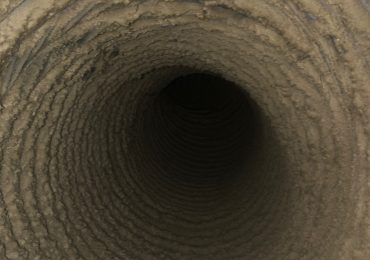
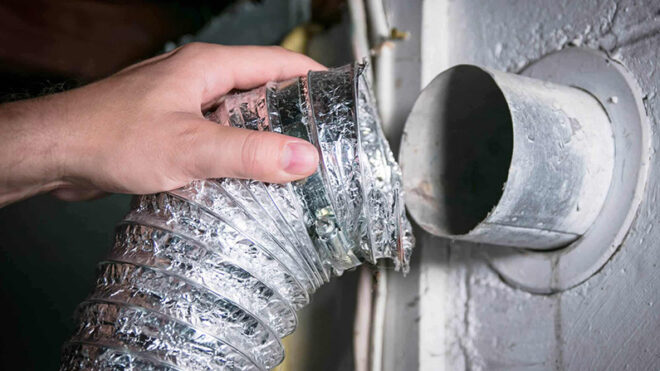
Winter dryer lint blockages Orlando homeowners deal with often start small and worsen quietly. Even in Central Florida, cooler winter temperatures change household routines. Laundry loads increase, heavier fabrics are washed more often, and windows remain closed longer. These conditions create the perfect environment for lint to accumulate inside dryer air vent pathways.
When lint blockages form, airflow slows, drying times increase, and safety risks rise. Understanding why winter accelerates lint buildup helps homeowners prevent problems before they turn costly or dangerous.
The U.S. Fire Administration reports that lint accumulation is the leading factor in dryer-related house fires nationwide, accounting for more than one-third of reported incidents. Seasonal airflow restrictions play a major role in why these risks increase during winter.
How Lint Blockages Form Inside Dryer Air Vents
Lint forms as clothing fibers break loose during drying cycles. While lint screens catch much of this material, fine fibers still escape and travel into the air vent system. Over time, lint sticks to the interior walls of the vent, narrowing the passage for airflow.
During winter, airflow slows because homes remain sealed longer. Moisture from damp laundry lingers inside the vent, causing lint to cling more easily. As layers build up, blockages form and airflow becomes restricted.
Without proper airflow, dryers must work harder to remove moisture, creating a cycle that worsens lint accumulation even faster.
Why Winter Makes Lint Blockages Worse
Several winter-specific factors accelerate lint buildup. Heavier clothing such as hoodies, sweaters, towels, and blankets shed more fibers than lightweight fabrics. These items are also washed and dried more frequently during cooler months.
At the same time, reduced home ventilation limits air movement throughout the house. Dryer air vents rely on steady airflow to push lint outside. When airflow slows, lint settles instead of exiting properly.
Moist winter air further contributes to the problem by helping lint stick to vent surfaces, forming dense clogs that restrict airflow even more.
Warning Signs of Dryer Lint Blockages
Lint blockages rarely appear without warning. Homeowners often notice subtle changes before major issues develop.
Common signs include:
- Clothes taking longer than normal to dry
- Multiple cycles needed for one load
- Excess heat in the laundry area
- A burning or musty odor during operation
- Lint buildup around the dryer or exterior vent opening
These symptoms indicate restricted airflow and should not be ignored.
How Lint Blockages Affect Safety and Efficiency
Restricted airflow forces dryers to operate at higher temperatures for longer periods. This increases energy usage and places added strain on internal components. Over time, this can shorten the lifespan of the appliance and raise monthly utility costs.
More importantly, lint is highly flammable. When lint blockages trap heat inside the air vent system, fire risk increases significantly. Addressing lint buildup early helps protect both the home and the people living in it.
Steps Homeowners Can Take to Prevent Lint Blockages
Preventing winter dryer lint blockages requires consistent attention and proactive maintenance.
Homeowners should:
- Clean the lint screen after every load
- Avoid overloading the dryer
- Check the exterior air vent opening monthly
- Watch for changes in drying performance
- Schedule professional airflow evaluations when issues persist
These steps help maintain proper airflow and reduce seasonal safety risks.
Frequently Asked Questions About Winter Dryer Lint Blockages
Q: Why do dryer lint blockages happen more often in winter?
A: Lint blockages increase during winter because heavier fabrics shed more fibers and reduced home ventilation slows airflow through dryer air vent pathways.
Q: Can lint blockages really cause a fire?
A: Yes. Lint is highly flammable, and when airflow is restricted, trapped heat can ignite accumulated lint inside the air vent system.
Q: How often should dryer lint pathways be checked?
A: Lint screens should be cleaned after every load. Exterior vent openings should be checked monthly, and internal air vent pathways should be inspected periodically to ensure proper airflow.
Q: Are lint blockages common in Florida homes?
A: Yes. Even mild winters change laundry habits and ventilation patterns, contributing to lint buildup in Florida homes each year.
Q: Does lint buildup affect dryer performance?
A: Yes. Lint buildup restricts airflow, leading to longer drying times, higher energy use, and increased wear on dryer components.
Internal Resources
https://abc-cleaninginc.com/blog/#/
https://abc-cleaninginc.com/services/
https://abc-cleaninginc.com/about-us/
External Resources
https://www.usfa.fema.gov/prevention/outreach/clothes-dryers.html
https://www.cpsc.gov/Safety-Education/Safety-Education-Centers/Clothes-Dryer-Fires
https://www.nfpa.org/education-and-research/home-fire-safety/clothes-dryers
About ABC Cleaning, Inc.
ABC Cleaning, Inc. serves homeowners across the greater Orlando metro area with professional airflow maintenance and indoor air quality solutions. Our team focuses on preventing hidden hazards, improving efficiency, and helping homes operate safely throughout every season.
If your dryer is taking longer to dry clothes or you’ve noticed excess lint buildup this winter, now is the time to act. Contact ABC Cleaning, Inc. today to schedule a professional evaluation and help protect your home from avoidable risks.