Modern appliances simplify daily life, yet many Altamonte Springs homeowners overlook the critical maintenance their dryer vents require for safe operation. Professional dryer vent inspection identifies hidden hazards before they escalate into fires, equipment failures, or carbon monoxide emergencies. This essential service uses specialized diagnostic equipment to evaluate your entire venting system, providing detailed assessments that guide maintenance decisions and ensure your family’s safety.
National Fire Protection Association data reveals that failure to clean dryer vents is the leading cause of dryer fires, with 92 percent of appliance fires involving clothes dryers. Regular professional inspection identifies dangerous conditions early, preventing these tragedies while also improving dryer efficiency and reducing energy costs. This proactive approach transforms a potential hazard into a safe, efficient home appliance.
The Hidden Dangers Within Dryer Vents
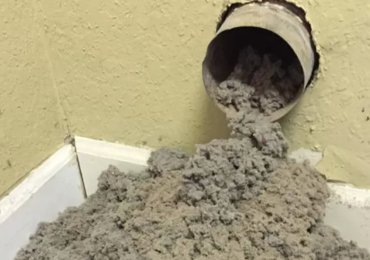
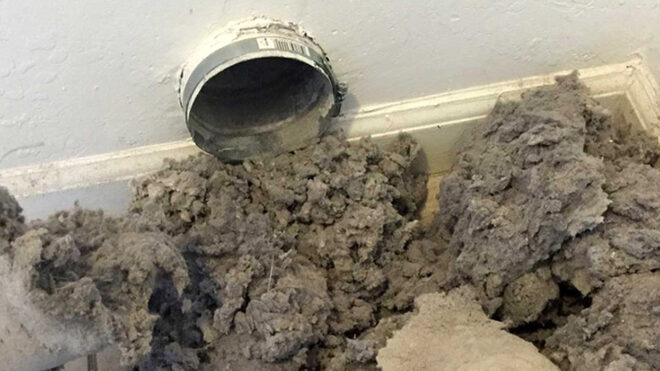
Lint accumulation creates more than simple efficiency problems; it forms a highly combustible fuel source throughout your venting system. This fluffy material ignites easily when exposed to the high temperatures dryers generate during operation. Professional inspection reveals accumulation levels and identifies areas where lint concentration poses the greatest fire risk.
Carbon monoxide poisoning represents another serious threat from compromised dryer vents, particularly with gas dryers. Blocked or damaged venting prevents proper exhaust evacuation, potentially allowing this odorless, lethal gas to accumulate in living spaces. Professional inspection ensures adequate ventilation protecting your family from this invisible danger.
Moisture retention from restricted venting creates ideal conditions for mold growth within vent systems and surrounding structures. This excess humidity damages drywall, insulation, and framing while promoting harmful microorganism proliferation. Inspection services identify moisture problems early, preventing expensive structural repairs and health hazards.
Advanced Inspection Technology and Techniques
Professional dryer vent inspection employs sophisticated diagnostic equipment far beyond simple visual examination. Video borescopes navigate through entire vent systems, providing high-resolution footage of interior conditions. These specialized cameras reveal blockages, damage, and accumulation levels impossible to assess through external observation alone.
Airflow measurement devices quantify venting efficiency and identify restrictions affecting dryer performance. Technicians use digital manometers to measure backpressure throughout your system, pinpointing problem areas requiring attention. These precise measurements establish baseline performance metrics for tracking system degradation over time.
Thermal imaging cameras detect temperature anomalies indicating dangerous hot spots or inadequate venting. This non-invasive technology reveals problems hidden within walls and ceilings without destructive investigation. Temperature mapping identifies fire risks before they cause damage, enabling targeted preventive maintenance.
Common Problems Discovered During Inspections
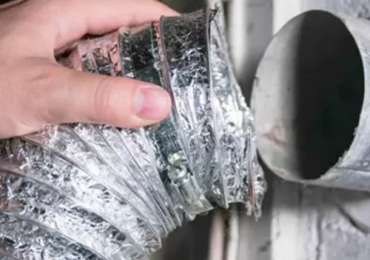
Professional inspections frequently uncover issues homeowners never suspected existed within their dryer vent systems. Crushed or kinked transition hoses restrict airflow dramatically, forcing dryers to work harder while creating lint accumulation zones. These problems often occur when dryers are pushed too close to walls or when improper materials are used for connections.
Bird and rodent nests create dangerous blockages that completely obstruct venting. These organic materials combine with lint to form dense plugs that prevent any exhaust evacuation. Animals often enter through damaged or missing exterior vent covers, establishing homes that create immediate fire hazards.
Improper vent materials and installations violate building codes while creating safety hazards. Vinyl and foil transition ducts, though commonly sold, fail to meet safety standards and deteriorate quickly. Professional inspection identifies these violations and recommends appropriate corrections to ensure code compliance and safe operation.
Understanding Inspection Frequency Requirements
Several factors determine optimal inspection frequency for your specific situation. Household size directly impacts dryer usage, with larger families generating more laundry and consequently more lint accumulation. High-use households benefit from semi-annual inspections, while smaller households might maintain safety with annual service.
Vent system length and configuration significantly affect inspection needs. Longer runs with multiple bends accumulate lint faster than short, straight paths. Systems exceeding 25 feet or containing more than two 90-degree turns typically require more frequent inspection to maintain safe operation. Your technician can recommend appropriate scheduling based on your specific configuration.
The types of items regularly dried influence lint production and accumulation rates. Towels, blankets, and pet bedding generate substantial lint, while synthetic athletic wear and microfiber materials produce minimal debris. Households frequently drying high-lint items should schedule more frequent inspections to ensure safety.
Altamonte Springs Environmental Considerations
Altamonte Springs’ humid subtropical climate creates unique challenges for dryer vent systems. High humidity levels throughout the year mean dryers work harder to remove moisture from clothing, increasing operating time and lint production. This additional moisture in venting systems causes lint to clump and adhere more firmly to vent walls.
The area’s abundant wildlife, particularly in neighborhoods near Cranes Roost Park and Spring Lake, increases risks of animal intrusion into vent systems. Squirrels, birds, and lizards frequently seek shelter in exterior vents, creating blockages requiring professional removal. Regular inspection identifies these intrusions before they cause serious problems.
Seasonal weather patterns, including afternoon thunderstorms and occasional tropical systems, add moisture that challenges dryer efficiency. Homes may run dryers more frequently during extended rainy periods, accelerating lint accumulation. Professional inspection accounts for these regional factors when assessing system condition and maintenance needs.
Energy Efficiency Benefits of Regular Inspection
Clean, properly functioning dryer vents significantly reduce energy consumption and utility costs. Restricted venting forces dryers to run longer cycles, sometimes doubling or tripling energy usage per load. Professional inspection identifies efficiency losses and calculates potential savings from proper maintenance.
Improved airflow from well-maintained venting reduces drying time, saving both energy and time. Many homeowners report 50 percent reductions in drying time after professional cleaning based on inspection findings. These improvements translate directly to lower utility bills and less wear on expensive dryer components.
The Department of Energy estimates that properly maintained dryer vents save average households hundreds of dollars annually in energy costs. When combined with prevented repair costs and extended appliance lifespan, regular inspection and maintenance provide excellent returns on investment.
The Inspection Process Explained
Professional dryer vent inspection begins with exterior vent evaluation, checking for proper operation, damage, and obstruction. Technicians verify that vent flaps open fully during dryer operation and close properly when idle. This initial assessment often reveals obvious problems requiring immediate attention.
Interior inspection involves disconnecting the dryer and thoroughly examining transition hoses, connections, and accessible vent sections. Technicians check for proper materials, secure connections, and appropriate routing. Video inspection equipment documents conditions throughout the entire vent path, from dryer connection to exterior termination.
The inspection concludes with comprehensive reporting that includes findings, recommendations, and priority levels. Professional services provide detailed documentation with photographs or video evidence of discovered problems. This information helps you make informed decisions about necessary maintenance, repairs, or system modifications.
Safety Standards and Code Compliance
Building codes establish specific requirements for dryer vent installation and materials that ensure safe operation. Professional inspection verifies compliance with current standards, identifying violations that require correction. These standards address vent materials, maximum lengths, bend restrictions, and termination requirements.
Insurance companies increasingly require code-compliant dryer venting for coverage validity. Non-compliant installations may void coverage or result in claim denials for preventable fires. Professional inspection documentation proves compliance, protecting your insurance coverage and potentially reducing premiums.
Real estate transactions often require dryer vent inspection to verify safety and compliance. Professional inspection reports satisfy buyer concerns and lender requirements, facilitating smooth property transfers. Addressing identified issues before listing prevents delays and strengthens negotiating positions.
Integrating Inspection with Maintenance Planning
Regular inspection enables proactive maintenance that prevents problems rather than reacting to failures. Tracking accumulation rates and system degradation helps optimize cleaning schedules for maximum safety and efficiency. This data-driven approach ensures maintenance occurs when needed, neither too early nor too late.
Inspection findings guide equipment upgrade decisions by identifying when repairs become less economical than replacement. Older vent systems may benefit from modern materials and designs that improve safety and reduce maintenance requirements. Professional guidance helps prioritize upgrades for maximum benefit.
Comprehensive maintenance programs combining regular inspection and cleaning provide the best protection against dryer vent hazards. These programs typically include annual or semi-annual inspection with cleaning as indicated by findings. Package pricing often reduces total costs while ensuring consistent system maintenance.
Professional Versus DIY Inspection Limitations
While homeowners can perform basic visual checks, professional inspection provides comprehensive evaluation beyond typical homeowner capabilities. Consumer-grade equipment cannot match professional diagnostic tools’ effectiveness in identifying hidden problems. Improper inspection techniques may overlook serious hazards or misidentify conditions.
Safety concerns make professional inspection essential for thorough system evaluation. Accessing roof terminations and navigating tight spaces presents injury risks without proper equipment and training. Professional technicians follow established safety protocols and carry appropriate insurance coverage.
Professional inspection provides documented findings valuable for insurance, warranties, and property transactions. DIY assessments lack credibility and documentation required for official purposes. The modest cost of professional inspection provides significant value through expert evaluation and proper documentation.
Warning Signs Requiring Immediate Inspection
Several indicators demand immediate professional inspection regardless of regular maintenance schedules. Burning smells during dryer operation indicate lint ignition requiring emergency service. Stop dryer use immediately and schedule inspection before resuming operation.
Excessive heat around dryers or in laundry rooms signals severe venting restrictions. Dryers too hot to touch comfortably indicate dangerous conditions requiring prompt professional evaluation. These extreme temperatures dramatically increase fire risks and component failure rates.
Visible lint accumulation around dryer exteriors or at vent terminations indicates system compromise. Lint escaping from connections or accumulating in unusual locations suggests blockages forcing exhaust through unintended paths. These conditions require professional inspection to identify and correct underlying problems.
Your Altamonte Springs home deserves the protection that professional dryer vent inspection provides. ABC Cleaning Inc. delivers thorough inspection services using advanced diagnostic equipment and proven methodologies. Our certified technicians identify hidden hazards and provide clear recommendations for maintaining safe, efficient dryer operation. Schedule your professional dryer vent inspection with ABC Cleaning Inc. today and protect your family from preventable dangers.