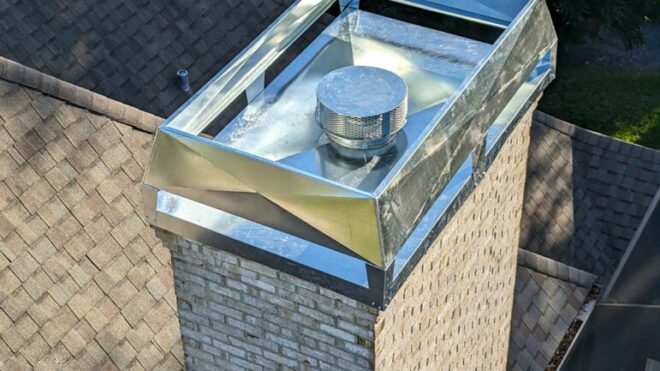
Your Oviedo home’s chimney system requires more than casual observation to ensure safe operation and structural integrity. Professional chimney inspection employs specialized techniques and equipment to evaluate every component from the chimney cap to the firebox foundation, identifying hazards invisible to untrained eyes. This comprehensive assessment provides the critical information needed to maintain safe fireplace operation while protecting your home from fire, carbon monoxide poisoning, and costly structural damage.
The National Fire Protection Association recommends annual chimney inspections, with additional evaluations following severe weather events, property purchases, or operational changes. Studies show that professional inspections prevent approximately 87 percent of chimney-related fires by identifying dangerous conditions before ignition occurs. This preventive approach costs a fraction of potential damage from undetected problems.
Three Levels of Professional Chimney Inspection
Level One inspections serve as routine annual evaluations for chimneys in continuous use without changes or suspected damage. Certified inspectors examine readily accessible portions of chimney structure and flue systems, verifying basic safety and identifying obvious hazards. This foundational assessment ensures continued safe operation under normal conditions.
Level Two inspections become necessary when changes occur or damage is suspected. Property transfers, appliance changes, weather events, or operational problems trigger this comprehensive evaluation. Inspectors use video scanning equipment to examine flue interiors and access concealed areas within attics, crawl spaces, and basements. This detailed assessment provides complete system evaluation when conditions change.
Level Three inspections involve removing chimney components for detailed examination when serious hidden hazards are suspected. This might include removing chimney crowns, walls, or interior finishes to assess concealed damage. Though rarely needed, Level Three inspections provide critical information when other methods cannot adequately evaluate suspected problems.
Advanced Technology in Modern Chimney Inspection
Digital video inspection revolutionizes chimney evaluation by providing detailed visual documentation of interior conditions. High-resolution cameras mounted on flexible cables navigate entire flue systems, recording conditions impossible to observe through traditional methods. This technology reveals cracks, obstructions, and deterioration that threaten safety and performance.
Thermal imaging cameras detect temperature variations indicating structural problems or heat transfer risks. These sophisticated instruments identify missing insulation, cracks allowing heat escape, and moisture intrusion causing hidden damage. Non-invasive thermal scanning provides comprehensive evaluation without destructive investigation.
Professional inspectors use specialized measuring devices to assess draft performance and identify ventilation problems. Digital manometers measure pressure differentials, while gas analyzers detect carbon monoxide and other dangerous combustion byproducts. These instruments provide objective data supporting inspection findings and recommendations.
Common Hazards Discovered During Inspections
Creosote buildup remains the most frequent and dangerous discovery during chimney inspections. This highly flammable substance accumulates in three stages, from dusty deposits to rock-hard glazed layers. Professional inspectors assess buildup severity and type, determining appropriate cleaning methods and frequency requirements.
Structural damage including cracks, gaps, and deterioration compromises both safety and performance. Settling foundations cause chimney lean or separation from house structures. Mortar joint deterioration allows moisture intrusion and heat escape. Damaged flue liners permit dangerous heat transfer to combustibles and toxic gas leakage into living spaces.
Animal intrusions create immediate hazards requiring professional attention. Birds, raccoons, squirrels, and bats frequently establish homes in chimneys, creating blockages and introducing parasites. Professional inspection identifies entry points, assesses contamination, and recommends appropriate exclusion measures.
Oviedo-Specific Inspection Considerations
Oviedo’s rapid growth from rural community to suburban center means homes span various construction eras with different chimney designs and conditions. Historic homes near downtown feature traditional masonry chimneys requiring specialized preservation approaches. Newer developments contain modern prefabricated systems needing different inspection protocols.
The area’s proximity to the St. Johns River and numerous lakes creates elevated humidity affecting chimney conditions. Moisture accelerates masonry deterioration and promotes biological growth within chimney systems. Professional inspectors understand these local environmental impacts and adjust assessments accordingly.
Local wildlife abundance, particularly in neighborhoods adjacent to natural areas, increases chimney intrusion risks. Professional inspection identifies evidence of animal activity and recommends prevention strategies appropriate for local species. This expertise prevents recurring problems common in Oviedo’s natural setting.
Inspection Timing and Frequency Optimization
Annual fall inspections prepare chimneys for winter use after summer inactivity. This timing allows for necessary repairs before cold weather arrives and fireplace use begins. Professional inspectors check for summer storm damage, animal intrusions, and moisture-related deterioration requiring attention.
Post-storm inspections following hurricanes or severe weather events assess potential damage from high winds and water intrusion. Even minor storms can dislodge chimney caps, damage flashing, or create cracks requiring prompt repair. Professional evaluation ensures storm damage doesn’t compromise safety or accelerate deterioration.
Pre-purchase inspections provide critical information for real estate transactions. Buyers need comprehensive chimney condition assessments before assuming ownership responsibilities. Professional inspection reports document existing conditions, identify necessary repairs, and provide cost estimates supporting negotiation and decision-making.
Health and Safety Implications
Carbon monoxide poisoning from blocked or damaged chimneys causes hundreds of deaths annually nationwide. This odorless, colorless gas accumulates when chimneys fail to properly exhaust combustion products. Professional inspection ensures adequate ventilation, protecting families from this silent killer.
Chimney fires resulting from undetected hazards can spread rapidly throughout homes, causing catastrophic damage. Professional inspection identifies fire risks before ignition, preventing these terrifying events. The U.S. Fire Administration emphasizes inspection’s critical role in residential fire prevention.
Indoor air quality suffers when chimneys fail to properly exhaust smoke and combustion products. Respiratory irritation, allergic reactions, and chronic health problems result from prolonged exposure to fireplace emissions. Professional inspection ensures proper draft and ventilation, maintaining healthy indoor environments.
Documentation and Reporting Standards
Professional inspection reports provide comprehensive documentation essential for various purposes. Detailed findings descriptions, photographs, and recommendations create permanent records of chimney conditions. These reports support insurance claims, guide maintenance planning, and document compliance with safety standards.
Insurance companies increasingly require professional inspection documentation for coverage validity and claim processing. Inspection reports proving regular maintenance may reduce premiums and ensure claim approval for covered damages. Without proper documentation, insurers may deny claims for preventable chimney-related damages.
Real estate transactions benefit from professional inspection reports that clearly communicate chimney conditions to all parties. Sellers demonstrate responsible maintenance through inspection documentation, while buyers gain confidence understanding exactly what they’re purchasing. Professional reports facilitate smooth transactions by eliminating chimney condition uncertainties.
Cost-Benefit Analysis of Regular Inspection
Regular chimney inspection costs represent minimal investments compared to potential consequences of undetected problems. Early problem identification enables targeted repairs before minor issues become major expenses. A small crack repaired promptly costs far less than rebuilding collapsed chimney sections.
Fire prevention through inspection provides immeasurable value beyond monetary calculations. Preventing a single chimney fire saves average repair costs exceeding inspection expenses for decades. More importantly, inspection protects irreplaceable family members and cherished possessions from preventable tragedies.
Energy efficiency improvements identified during inspections reduce heating costs throughout chimney system lifespans. Proper draft optimization, air leak sealing, and damper repairs decrease heat loss up to 30 percent. These savings accumulate to thousands of dollars over time, far exceeding inspection investments.
Selecting Qualified Inspection Services
Certification by recognized organizations indicates professional training and competence. The Chimney Safety Institute of America certifies inspectors meeting rigorous education and experience requirements. National Fireplace Institute certification demonstrates expertise in gas and electric fireplace systems. These credentials ensure inspectors possess necessary knowledge for accurate assessments.
Insurance and licensing protect homeowners from liability during inspection services. Verify inspectors carry appropriate general liability and workers’ compensation coverage. Check state and local licensing requirements, ensuring compliance with applicable regulations. Professional services gladly provide insurance and licensing documentation upon request.
References and reviews from previous customers provide valuable insights into service quality and reliability. Request references for similar inspection services in your area. Online reviews reveal patterns of satisfaction or concern helping inform selection decisions. Reputable inspectors maintain strong local reputations built through consistent quality service.
Maintenance Recommendations Following Inspection
Inspection findings guide maintenance prioritization based on safety risks and cost-effectiveness. Immediate hazards require prompt attention before continued chimney use. Less critical issues can be scheduled strategically, combining related repairs for efficiency. Professional inspectors help develop practical maintenance plans balancing safety needs with budget constraints.
Preventive treatments recommended during inspections extend chimney lifespan and reduce future maintenance needs. Waterproofing applications protect against moisture damage. Crown sealing prevents water intrusion. Chimney cap installation blocks animal entry and rain. These preventive measures cost far less than repairing damage they prevent.
Regular cleaning schedules based on inspection findings optimize safety and efficiency. Usage patterns, fuel types, and accumulation rates determine appropriate cleaning frequency. Professional inspectors recommend customized schedules ensuring adequate maintenance without unnecessary expense.
Integration with Home Maintenance Programs
Chimney inspection coordinates effectively with other home maintenance activities. Roof inspections can include chimney flashing evaluation. Gutter cleaning provides opportunities for chimney crown observation. HVAC service visits might include fireplace gas line checks. Coordinating services reduces costs and ensures comprehensive home maintenance.
Documentation from chimney inspections supports home maintenance records valuable for warranties, insurance, and resale. Organized maintenance histories demonstrate responsible ownership and support property values. Professional inspection reports become permanent parts of comprehensive home documentation packages.
Your Oviedo home’s chimney system deserves professional inspection that ensures safety, efficiency, and longevity. ABC Cleaning Inc. provides comprehensive chimney inspection services using advanced technology and proven methodologies. Our certified inspectors deliver detailed assessments that protect your family and property from preventable hazards. Contact ABC Cleaning Inc. today to schedule your professional chimney inspection and gain peace of mind about your fireplace safety.