Winter dryer airflow problems Orlando homeowners experience often develop quietly. While Florida winters are mild, seasonal changes still affect how homes breathe. Windows stay closed longer, laundry loads increase, and dryers work harder to keep up. These conditions make airflow restrictions more likely, especially when lint buildup goes unnoticed.
When dryer airflow becomes restricted, efficiency drops, energy costs rise, and safety risks increase. Understanding how winter conditions contribute to these issues helps homeowners take action before problems escalate.
According to the U.S. Consumer Product Safety Commission, failure to maintain clear dryer airflow pathways is a leading factor in thousands of dryer-related incidents each year. Seasonal usage changes play a significant role in why airflow issues worsen during winter months.
How Dryer Airflow Is Supposed to Work
Dryers rely on steady airflow to remove heat and moisture from clothing. Warm air moves through the drum, passes through the lint screen, and exits the home through an air vent system.
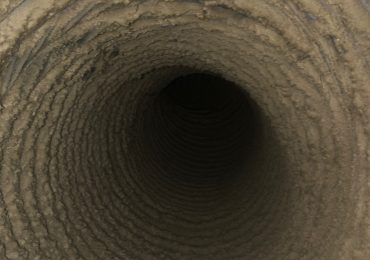
When airflow remains clear, drying cycles finish efficiently and temperatures stay within safe limits. However, lint naturally escapes the lint screen and settles inside the air vent pathway. Over time, this buildup narrows the space air can move through.
During winter, reduced household ventilation slows airflow even further, allowing lint to accumulate faster than during warmer months.
Why Winter Makes Airflow Problems Worse
Several winter-specific factors contribute to airflow restrictions.
Heavier clothing such as sweaters, blankets, and towels shed more fibers per load. At the same time, dryers are often run back-to-back to keep up with increased laundry demands. Homes also remain sealed longer, limiting air exchange and trapping heat inside the air vent system.
As airflow slows, moisture lingers inside the ductwork. Lint sticks more easily to damp surfaces, creating thick layers that restrict airflow even more. This cycle compounds quickly without intervention.
Common Signs of Restricted Dryer Airflow
Many homeowners don’t realize they have airflow problems until performance noticeably declines. Early warning signs are often subtle.
Common indicators include:
- Clothes taking longer to dry than usual
- Excess heat building up in the laundry area
- A damp or musty smell after cycles
- Lint collecting around the dryer or exterior vent opening
- The dryer shutting off unexpectedly during operation
These symptoms signal that airflow is no longer moving freely through the system.
How Airflow Problems Affect Safety and Efficiency
Restricted airflow forces dryers to work harder. Longer run times increase energy usage and drive up utility bills. At the same time, trapped heat raises internal temperatures, increasing strain on appliance components.
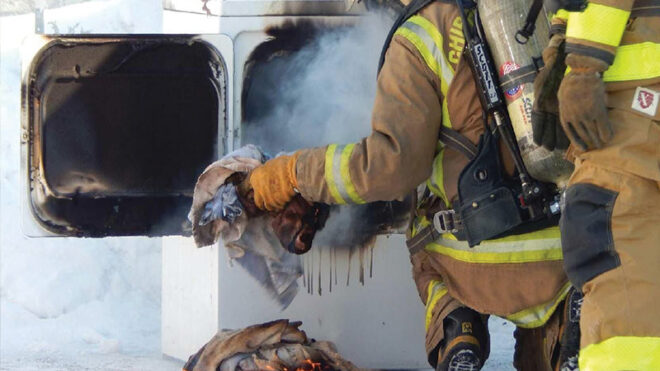
Lint buildup combined with excess heat also elevates fire risk. Lint is highly flammable, and restricted airflow creates conditions where ignition becomes more likely. Addressing airflow issues early protects both the home and the appliance.
Steps Homeowners Can Take During Winter
Preventing winter dryer airflow problems starts with consistent habits and periodic inspections.
Homeowners should:
- Clean the lint screen after every load
- Avoid overloading the dryer
- Check the exterior air vent opening monthly
- Watch for sudden changes in drying time
- Schedule professional airflow evaluations when issues persist
These steps help maintain proper airflow and reduce seasonal risks.
Frequently Asked Questions About Winter Dryer Airflow Problems
What causes dryer airflow problems during winter?
Dryer airflow problems increase during winter due to heavier laundry loads, reduced home ventilation, and faster lint accumulation inside air vent pathways.
Can restricted airflow damage a dryer?
Yes. Restricted airflow forces the dryer to operate longer and at higher temperatures, which can shorten the lifespan of internal components and increase repair costs.
How often should dryer airflow pathways be checked?
Lint screens should be cleaned after every load. Exterior vent openings should be checked monthly, and internal air vent pathways should be inspected periodically to ensure proper airflow.
Are airflow problems a fire hazard?
Yes. When airflow is restricted, heat builds up inside the dryer system. Combined with lint buildup, this significantly increases fire risk.
Do Florida homes really experience winter airflow issues?
Yes. Even mild winters change usage patterns and ventilation habits. These seasonal shifts contribute to airflow problems in Florida homes every year.
Internal Resources
https://abc-cleaninginc.com/blog/#/
https://abc-cleaninginc.com/services/
https://abc-cleaninginc.com/about-us/
External Resources
https://www.cpsc.gov/Safety-Education/Safety-Education-Centers/Clothes-Dryer-Fires
https://www.usfa.fema.gov/prevention/outreach/clothes-dryers.html
https://www.nfpa.org/education-and-research/home-fire-safety/clothes-dryers
About ABC Cleaning, Inc.
ABC Cleaning, Inc. serves homeowners throughout the greater Orlando metro area with professional airflow maintenance and indoor air quality solutions. Our experienced team focuses on improving efficiency, reducing safety risks, and helping homes operate properly year-round.
If your dryer is taking longer to dry clothes or your laundry area feels unusually warm, it may be time to address airflow concerns. Contact ABC Cleaning, Inc. today to schedule a professional evaluation and keep your home safer and more efficient through every season.