
Cold weather dryer efficiency issues Orlando homeowners experience often go unnoticed at first. Florida winters may not bring snow, but cooler temperatures still change how homes operate. Laundry routines increase, windows stay closed longer, and dryers are pushed to work harder than usual. These shifts reduce efficiency and quietly drive up energy costs.
When dryers lose efficiency, they take longer to complete cycles, consume more electricity, and place added strain on internal components. Understanding how cold weather affects dryer performance helps homeowners avoid unnecessary wear and higher utility bills.
The U.S. Department of Energy reports that dryers can use up to 30 percent more energy per load when airflow is restricted or maintenance is neglected. Seasonal conditions play a major role in why efficiency problems become more noticeable during winter.
How Dryer Efficiency Is Designed to Work
Dryer efficiency depends on proper airflow and consistent heat exchange. Warm air must move freely through the drum, pass the lint screen, and exit through the air vent system. When airflow remains unrestricted, moisture is removed quickly and drying cycles finish on time.
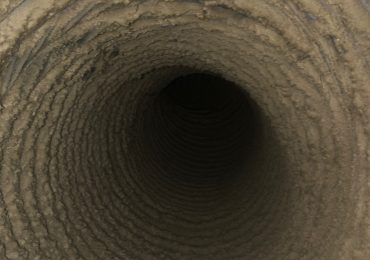
Lint fibers naturally shed from clothing during each cycle. While lint screens capture most debris, fine particles still escape and settle inside the air vent pathway. Over time, this buildup narrows airflow and forces the dryer to compensate by running longer.
Cold weather worsens this process by slowing air movement and increasing moisture retention inside the vent system.
Why Cold Weather Reduces Dryer Efficiency
Several cold-weather factors contribute to reduced dryer efficiency. Heavier fabrics such as sweaters, blankets, and towels retain more moisture and shed more lint. These loads require longer drying times and higher heat output.
Homes also remain sealed longer to maintain indoor comfort. Reduced ventilation limits air movement throughout the home, including the dryer air vent. Moist air lingers inside the ductwork, allowing lint to cling to interior surfaces.
As airflow becomes restricted, dryers must work harder to remove moisture, increasing energy use and appliance strain.
Signs Your Dryer Is Losing Efficiency
Efficiency problems often develop gradually, which makes them easy to overlook. However, certain warning signs indicate reduced performance.
Common indicators include:
- Clothes remaining damp after a full cycle
- Multiple cycles needed to dry one load
- Excess heat in the laundry area
- Rising energy bills without increased usage
- Lint visible near the dryer or exterior vent opening
These signs suggest airflow restrictions that should be addressed promptly.
The Cost of Ignoring Efficiency Issues
Reduced dryer efficiency affects more than convenience. Longer run times increase electricity consumption and raise monthly utility costs. Over time, excessive heat places stress on heating elements, motors, and internal sensors.
Inefficient operation also increases fire risk. Lint buildup combined with trapped heat creates conditions where ignition becomes more likely. Addressing efficiency issues early helps protect both the appliance and the home.
Steps Homeowners Can Take During Winter
Maintaining dryer efficiency during colder months requires consistency and attention to airflow.
Homeowners should:
- Clean the lint screen after every load
- Avoid overloading the dryer
- Inspect the exterior air vent opening regularly
- Monitor drying times for sudden changes
- Schedule professional airflow inspections when efficiency declines
These steps help dryers operate as intended and reduce unnecessary energy use.
Frequently Asked Questions About Cold Weather Dryer Efficiency Issues
Q: Why does my dryer take longer to dry clothes in winter?
A: Dryers take longer during winter because heavier fabrics retain more moisture and reduced home ventilation slows airflow through the air vent system.
Q: Does lint buildup affect dryer efficiency?
A: Yes. Lint buildup restricts airflow, forcing the dryer to run longer and consume more energy to remove moisture from clothing.
Q: Can poor dryer efficiency increase energy bills?
A: Yes. Longer run times directly increase electricity usage, leading to higher monthly utility costs.
Q: Is reduced dryer efficiency a safety concern?
A: Yes. Inefficient dryers generate excess heat, which combined with lint accumulation increases fire risk.
Q: Are efficiency issues common in Florida during winter?
A: Yes. Even mild winters change laundry habits and ventilation patterns, contributing to efficiency problems in Florida homes.
Internal Resources
https://abc-cleaninginc.com/blog/#/
https://abc-cleaninginc.com/services/
https://abc-cleaninginc.com/about-us/
External Resources
https://www.energy.gov/energysaver/clothes-dryers
https://www.cpsc.gov/Safety-Education/Safety-Education-Centers/Clothes-Dryer-Fires
https://www.nfpa.org/education-and-research/home-fire-safety/clothes-dryers
About ABC Cleaning, Inc.
ABC Cleaning, Inc. helps homeowners throughout the Orlando metro area maintain safer, more efficient homes through professional airflow maintenance and indoor air quality solutions. Our experienced team focuses on preventing problems before they become costly or dangerous.
If your dryer is running longer than usual or your energy bills are climbing this winter, it may be time for a professional airflow evaluation. Contact ABC Cleaning, Inc. today to improve efficiency, reduce risk, and keep your home performing properly year-round.