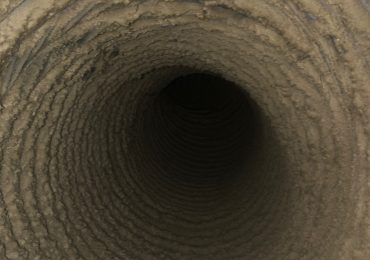

Winter dryer fire hazards Orlando homeowners face are far more common than most people realize. A dryer is often viewed as a routine household appliance, something that quietly does its job in the background. Because of that familiarity, early warning signs are frequently overlooked. During winter, however, everyday laundry habits change in ways that significantly increase fire risk, even in Florida’s mild climate.
Heavier clothing, longer drying cycles, reduced ventilation, and increased lint accumulation combine to create dangerous conditions inside dryer systems. These hazards rarely appear suddenly. Instead, they develop gradually, load by load, until a small problem becomes a serious safety threat.
According to national fire safety data, dryers are responsible for thousands of residential fires each year, with lint buildup and restricted airflow cited as leading causes. Winter usage patterns amplify these risks, making seasonal awareness critical for Orlando homeowners.
How Dryer Fires Typically Start
Most dryer fires do not begin with flames visible to the homeowner. They usually start inside the dryer air vent system, where heat and lint accumulate out of sight. Lint is highly flammable, and when airflow is restricted, heat builds rapidly.
Each time the dryer runs, warm air is pushed through the drum and out through the air vent pathway. When that pathway is narrowed by lint, debris, or moisture, hot air slows and lingers. Over time, temperatures inside the vent can rise high enough to ignite accumulated lint.
This process often happens gradually. The dryer may continue to operate, but each cycle adds more lint and more heat, increasing the likelihood of ignition.
Why Winter Increases Dryer Fire Risks in Orlando
Winter creates a unique set of conditions that elevate fire risk. Heavier fabrics such as towels, blankets, hoodies, and sweaters shed more fibers and retain more moisture. These loads require longer drying times, generating more heat inside the dryer.
At the same time, homes remain closed longer during cooler weather. Reduced ventilation limits airflow throughout the house, including the dryer air vent system. Heat has fewer opportunities to escape, allowing temperatures to rise faster.
Moisture also plays a role. Warm, moist air condenses more quickly in cooler conditions. Moist lint clings to vent walls and acts as insulation, trapping heat inside the system. This combination of lint, moisture, and restricted airflow is a common factor in winter dryer fires.
Real-World Fire Risk Scenarios in Orlando Homes
In many Orlando homes, dryers are located in interior laundry rooms, garages, or closets. When airflow becomes restricted, heat radiates into surrounding areas, often unnoticed. Homeowners may feel warmth but assume it is normal dryer operation.
Older homes with longer vent runs or multiple turns in the vent pathway are especially vulnerable. Each bend in the vent provides a surface for lint to accumulate. Over time, these areas become hotspots for heat buildup.
Townhomes and condominiums present additional risks. Shared walls and compact layouts allow heat to spread more easily, while shared vent configurations can make individual airflow problems harder to identify.
Warning Signs That Fire Risk Is Increasing
Dryer fire hazards rarely appear without warning. Homeowners should take early indicators seriously.
Common warning signs include:
- Clothes taking significantly longer to dry
- A burning smell during or after drying cycles
- Excess heat in the laundry area
- Lint accumulating around the dryer or vent opening
- The dryer shutting off unexpectedly
These symptoms indicate restricted airflow and overheating, both of which increase fire risk.
How Fire Hazards Affect More Than Just the Dryer
When fire hazards are ignored, the impact extends beyond the appliance itself. Overheating places stress on electrical components, wiring, and nearby materials. Heat exposure can damage walls, flooring, and cabinetry near the dryer.
Indoor air quality also suffers. Overheated systems can release dust, debris, and combustion byproducts into living spaces, affecting comfort and health. What begins as a dryer issue can quickly become a whole-home safety concern.
Long-Term Consequences of Ignoring Dryer Fire Hazards
Ignoring dryer fire hazards allows risk to compound over time. Lint continues to accumulate. Airflow becomes more restricted. Heat exposure increases with each cycle.
Over months or years, homeowners may experience repeated dryer malfunctions, rising energy costs, and increased maintenance expenses. In worst-case scenarios, a fire can occur with little warning, causing extensive property damage and posing serious danger to occupants.
Preventive action is far less costly than recovery after a fire.
What Homeowners Can Do to Reduce Fire Risk
Homeowners can take several steps to reduce dryer fire hazards during winter.
Key actions include:
- Cleaning the lint screen after every load
- Avoiding overloading the dryer
- Inspecting the exterior air vent opening monthly
- Paying attention to changes in drying time or heat
- Scheduling professional airflow inspections regularly
These steps help maintain proper airflow and reduce heat buildup.
Where DIY Maintenance Falls Short
While basic habits are important, they do not address hidden lint buildup inside air vent pathways. Internal obstructions are not visible and cannot be removed through surface-level cleaning.
Professional inspection and maintenance are necessary to fully assess airflow, remove compacted lint, and restore safe operating conditions. Relying solely on DIY maintenance leaves hidden fire hazards unresolved.
Frequently Asked Questions About Winter Dryer Fire Hazards
Q: What causes dryer fires to increase during winter?
A: Dryer fires increase during winter due to heavier laundry loads, longer drying cycles, restricted airflow, and increased lint buildup.
Q: Are dryer fires common in Florida?
A: Yes. Even in mild climates, seasonal changes in laundry habits and ventilation increase fire risk.
Q: Can a dryer still be dangerous if it seems to work normally?
A: Yes. Many dryers continue operating while internal fire hazards develop out of sight.
Q: How often should dryer airflow systems be inspected?
A: Exterior vents should be checked monthly, and internal air vent pathways should be inspected periodically by professionals.
Q: What is the best way to prevent dryer fires long-term?
A: Maintaining clear airflow through consistent habits and professional maintenance is the most effective prevention strategy.
Internal Resources
https://abc-cleaninginc.com/blog/#/
https://abc-cleaninginc.com/services/
https://abc-cleaninginc.com/about-us
External Resources
https://www.usfa.fema.gov/prevention/outreach/clothes-dryers.html
https://www.cpsc.gov/Safety-Education/Safety-Education-Centers/Clothes-Dryer-Fires
https://www.nfpa.org/education-and-research/home-fire-safety/clothes-dryers
About ABC Cleaning, Inc.
ABC Cleaning, Inc. helps homeowners throughout the Orlando metro area reduce fire risks through professional airflow maintenance and indoor air quality services. Our experienced team focuses on identifying hidden hazards before they become emergencies.
If your dryer takes longer to dry, produces excess heat, or shows signs of restricted airflow this winter, now is the time to act. Contact ABC Cleaning, Inc. today to schedule a professional evaluation and help protect your home, your family, and your peace of mind.