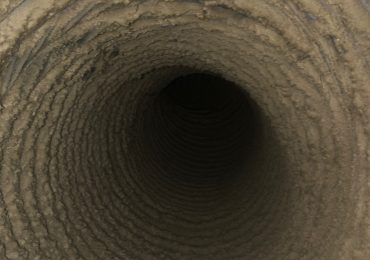

Winter dryer airflow restrictions Orlando homeowners experience often develop slowly and quietly. The dryer still runs. Clothes eventually dry. Nothing appears obviously broken. Because of this, airflow problems are frequently dismissed as minor inconveniences rather than the serious issues they are. During winter, however, these restrictions intensify and create risks that affect safety, efficiency, and indoor air quality.
Even in Central Florida, winter changes how homes operate. Windows remain closed longer, indoor air circulation decreases, and laundry routines shift toward heavier fabrics. These seasonal habits reduce airflow throughout the home and place added strain on dryer systems. When airflow is restricted, heat and moisture cannot escape properly, setting the stage for compounding problems.
Fire safety agencies consistently identify restricted airflow as a primary contributor to dryer-related incidents. Winter conditions amplify this risk, making airflow awareness essential for Orlando homeowners.
How Dryer Airflow Is Designed to Function
Dryers rely on consistent airflow to operate safely and efficiently. Heated air enters the drum, absorbs moisture from wet clothing, and exits the home through an air vent pathway. When airflow remains unobstructed, temperatures stay within safe limits and drying cycles complete efficiently.
Problems begin when lint escapes the lint screen and settles inside the air vent system. Over time, lint accumulation narrows the vent pathway, reducing the volume of air that can move through. As airflow slows, heat and moisture remain trapped inside the system.
Winter conditions worsen this situation by reducing overall home ventilation. With fewer opportunities for air exchange, dryer airflow becomes even more restricted.
Why Winter Makes Airflow Restrictions Worse in Orlando
Florida winters may be mild, but they still change household behavior. Heavier clothing such as blankets, towels, hoodies, and sweaters are washed more frequently. These fabrics shed more lint and retain more moisture, requiring longer drying cycles.
At the same time, homes remain sealed to maintain comfort during cooler nights. Reduced ventilation limits the ability of warm air to move freely through the home and out of the dryer air vent. Moisture condenses more quickly inside cooler vent pathways, causing lint to cling to interior surfaces.
This combination of heavier loads, longer cycles, and reduced ventilation accelerates airflow restriction during winter months.
What Restricted Airflow Looks Like in Real Orlando Homes
In many Orlando homes, dryers are located in interior laundry rooms, garages, or closets with limited airflow. When airflow becomes restricted, excess heat and moisture build up in these spaces. Homeowners may notice the laundry area feeling warmer or more humid after cycles finish.
Older homes with longer vent runs or multiple turns in the vent pathway are especially vulnerable. Each bend provides a surface where lint can accumulate. Over time, airflow becomes severely restricted without obvious warning signs.
In townhomes and condominiums, compact layouts and shared walls allow heat and humidity to spread quickly. One restricted vent can affect comfort throughout the home.
Warning Signs of Dryer Airflow Restrictions
Airflow restrictions rarely appear suddenly. Homeowners often notice gradual changes before major problems arise.
Common indicators include:
- Clothes taking longer to dry than usual
- Weak airflow at the exterior vent opening
- Excess heat or humidity in the laundry area
- Lint collecting near the dryer or vent cover
- Rising energy bills without increased usage
These symptoms signal that airflow is no longer functioning properly.
How Airflow Restrictions Affect Safety and Efficiency
Restricted airflow forces dryers to work harder to remove moisture. Longer run times increase energy consumption and raise utility costs. Over time, internal components experience increased wear, shortening appliance lifespan.
More importantly, restricted airflow increases fire risk. Heat trapped inside the dryer system combined with lint buildup creates conditions where ignition becomes more likely. Many dryer fires begin inside air vent pathways where problems go unnoticed.
Indoor air quality also suffers. Trapped moisture and debris can circulate back into living spaces, reducing comfort and contributing to unhealthy conditions.
Long-Term Consequences of Ignoring Airflow Restrictions
When airflow restrictions are ignored, the problem compounds. Each cycle adds more lint. Each month of reduced airflow increases heat exposure and moisture retention.
Over time, homeowners may experience frequent dryer breakdowns, escalating energy costs, and persistent indoor humidity issues. In severe cases, airflow restrictions can lead to fire, property damage, and safety hazards.
Addressing airflow problems early is far less costly than dealing with long-term consequences.
What Homeowners Can Do Versus When Professionals Are Needed
Homeowners can reduce airflow restrictions by cleaning lint screens after every load and inspecting exterior air vent openings monthly. Avoiding overloading the dryer and monitoring drying times also helps identify early problems.
However, internal airflow restrictions cannot be resolved through surface-level maintenance. Lint buildup deep inside air vent pathways requires professional inspection and cleaning to fully restore airflow.
Ignoring internal restrictions while focusing only on visible areas allows hazards to persist unnoticed.
Frequently Asked Questions About Winter Dryer Airflow Restrictions
Q: What causes dryer airflow restrictions during winter?
A: Heavier laundry loads, increased lint buildup, moisture retention, and reduced home ventilation all contribute to airflow restrictions in winter.
Q: Are airflow restrictions dangerous?
A: Yes. Restricted airflow traps heat and lint, increasing fire risk and reducing dryer efficiency.
Q: How often should dryer airflow systems be inspected?
A: Exterior vents should be checked monthly, and internal air vent pathways should be inspected periodically by professionals.
Q: Do Florida homes really experience airflow restrictions in winter?
A: Yes. Seasonal changes in ventilation and laundry habits affect Florida homes every winter.
Q: Can airflow restrictions shorten dryer lifespan?
A: Yes. Restricted airflow increases heat stress on internal components, leading to premature wear and breakdowns.
Internal Resources
https://abc-cleaninginc.com/blog/#/
https://abc-cleaninginc.com/services/
https://abc-cleaninginc.com/about-us/
External Resources
https://www.usfa.fema.gov/prevention/outreach/clothes-dryers.html
https://www.cpsc.gov/Safety-Education/Safety-Education-Centers/Clothes-Dryer-Fires
https://www.nfpa.org/education-and-research/home-fire-safety/clothes-dryers
About ABC Cleaning, Inc.
ABC Cleaning, Inc. serves homeowners throughout the Orlando metro area with professional airflow maintenance and indoor air quality services. Our team specializes in identifying hidden airflow restrictions that impact safety, efficiency, and comfort.
If your dryer is taking longer to dry, producing excess heat, or causing humidity in your laundry area, now is the time to act. Contact ABC Cleaning, Inc. today to schedule a professional evaluation and restore proper airflow before winter-related issues worsen.