Clogged dryer exhaust lines are one of the most overlooked safety hazards in residential homes. Many homeowners assume that cleaning the lint screen is enough to keep their laundry system operating safely. In reality, lint and debris often accumulate deep inside the exhaust line, well beyond what is visible or accessible during routine cleaning.
According to national fire safety data, thousands of residential fires each year are linked to laundry equipment, with restricted exhaust airflow identified as the leading contributing factor. These fires are largely preventable, yet they continue to occur because the warning signs of clogged dryer exhaust lines are easy to miss.
Understanding how these blockages form, why they create fire risk, and what homeowners can do to prevent them is essential for maintaining a safe and efficient home.
How Clogged Dryer Exhaust Lines Develop
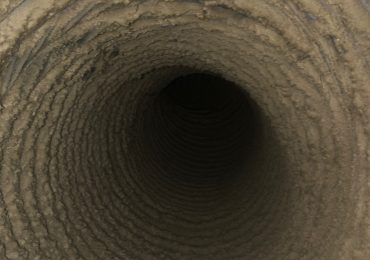
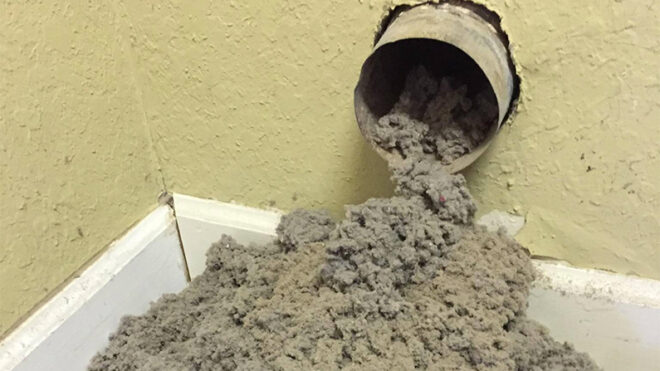
Every load of laundry produces lint. While the lint screen captures a portion of it, a significant amount passes through and enters the exhaust system. Over time, lint adheres to the interior walls of the exhaust duct, especially at bends, joints, and transitions.
Long exhaust runs increase the likelihood of buildup. Flexible ducts, corrugated surfaces, and older installations create additional surfaces for lint to cling to. Moisture from damp clothing causes lint to mat together, forming dense blockages that restrict airflow.
In Florida homes, humidity changes and seasonal usage patterns accelerate this process. Heavier fabrics, bedding, and towels produce more lint, while reduced airflow allows accumulation to worsen unnoticed.
Why Clogged Exhaust Lines Increase Fire Risk
Fire risk increases when three elements combine: heat, fuel, and restricted airflow. Dryer systems provide all three when exhaust lines are clogged.
Dryers generate high heat during operation. Lint is highly flammable. When airflow is restricted, heat cannot escape properly and begins to build inside the exhaust pathway. As temperatures rise, lint deposits can ignite.
The danger is compounded by longer drying cycles. Homeowners may unknowingly run the dryer multiple times to compensate for poor drying performance, further increasing heat exposure.
Once ignition occurs, fire can spread rapidly through the exhaust line and into surrounding wall cavities, often before occupants realize there is a problem.
Warning Signs of a Clogged Dryer Exhaust Line
Recognizing early warning signs can prevent serious damage and safety hazards. One of the most common indicators is extended drying time. Clothes that remain damp after a normal cycle suggest restricted airflow.
Excessive heat around the dryer or in the laundry room is another warning sign. A dryer that feels unusually hot to the touch may be struggling to vent properly.
Burning smells or musty odors during operation should never be ignored. These smells often indicate overheating lint or trapped moisture inside the exhaust system.
Outside the home, weak airflow at the exterior exhaust vent or visible lint accumulation around the vent opening indicates internal blockage.
Impact on Energy Efficiency and Appliance Lifespan
Clogged dryer exhaust lines do more than create fire risk. They also reduce energy efficiency and shorten appliance lifespan.
When airflow is restricted, dryers must work harder and run longer to achieve the same results. This increases energy consumption and utility costs. Over time, excessive heat and strain wear down internal components, leading to more frequent repairs or premature replacement.
Maintaining clear exhaust airflow allows dryers to operate efficiently, reducing both operating costs and mechanical stress.
Effects on Indoor Air Quality
Blocked exhaust systems affect indoor air quality throughout the home. Moisture trapped inside the system raises indoor humidity levels, creating conditions that support mold and mildew growth.
Lint particles that fail to exit the exhaust line can circulate back into living spaces, increasing airborne particulates. This can aggravate allergies and respiratory discomfort, particularly in homes with limited ventilation.
Proper exhaust airflow plays an important role in maintaining balanced indoor air quality year-round.
Why Surface Cleaning Is Not Enough
Many homeowners attempt to address dryer issues by cleaning the lint trap and vacuuming behind the appliance. While these steps are important, they do not reach the full length of the exhaust system.
Most lint buildup occurs deep inside the ductwork, beyond the reach of household tools. Flexible ducts and concealed runs inside walls make thorough cleaning difficult without specialized equipment.
Professional service removes lint and debris from the entire exhaust pathway, restoring airflow and reducing hidden risks.
Preventative Steps Homeowners Can Take
Homeowners can reduce risk by adopting consistent habits. Cleaning the lint screen after every load is essential. Avoiding overloading the dryer helps minimize lint production and improves airflow.
Exterior exhaust vents should be inspected periodically to ensure they open fully and remain free of debris. Vent covers that trap lint should be replaced with approved designs.
Scheduling professional dryer exhaust maintenance on a regular basis is one of the most effective preventative measures available.
How Often Dryer Exhaust Lines Should Be Serviced
For most Orlando homes, annual professional service is recommended. Homes with larger families, frequent laundry use, or long exhaust runs may benefit from more frequent inspections.
Regular maintenance improves safety, efficiency, and peace of mind.
Internal Resources
https://abc-cleaninginc.com/blog/#/
https://abc-cleaninginc.com/services/dryer-vent-cleaning
External Resources
https://www.usfa.fema.gov/prevention/home-fires/prevent-fires/dryers/
https://www.nfpa.org/education-and-research/home-fire-safety/clothes-dryer-fires
https://www.cpsc.gov/Safety-Education/Safety-Education-Centers/Clothes-Dryer-Fires
Frequently Asked Questions About Clogged Dryer Exhaust Lines
Q: What causes dryer exhaust lines to become clogged?
A: Lint accumulation, long exhaust runs, flexible duct materials, and moisture all contribute to gradual blockage inside dryer exhaust lines.
Q: Are clogged dryer exhaust lines really a fire hazard?
A: Yes. Lint is highly flammable, and restricted airflow allows heat to build up, creating ideal conditions for ignition.
Q: How can I tell if my dryer exhaust line is clogged?
A: Long drying times, excessive heat, burning odors, and weak airflow at the exterior vent are common warning signs.
Q: Does cleaning the lint trap prevent exhaust blockages?
A: No. The lint trap captures only a portion of lint. Most buildup occurs inside the exhaust duct and requires professional cleaning.
Q: How often should dryer exhaust lines be serviced?
A: Most homes should schedule service at least once per year, with higher-use households benefiting from more frequent maintenance.
About ABC Cleaning, Inc.
ABC Cleaning, Inc. provides professional dryer exhaust maintenance and indoor air quality services throughout the Orlando metro area. Our team focuses on thorough, safety-driven service that helps homeowners reduce fire risk, improve efficiency, and protect indoor air quality. If you suspect a clogged dryer exhaust line or want to schedule preventative maintenance, contact ABC Cleaning, Inc. to take the next step toward a safer, cleaner home.