Poor laundry vent airflow is a hidden issue in many Orlando homes. Because the laundry system is often out of sight, airflow problems can develop quietly over time. Homeowners may notice subtle changes in dryer performance but fail to recognize the broader safety and air quality risks associated with restricted airflow.
Laundry vent airflow plays a critical role in removing heat, moisture, and lint from the home. When airflow becomes restricted, those byproducts remain trapped within the system, creating conditions that increase fire risk, reduce efficiency, and negatively affect indoor air quality.
Understanding how poor laundry vent airflow develops and why it matters helps homeowners take action before minor issues become serious hazards.
How Laundry Vent Airflow Becomes Restricted
Laundry vent airflow restriction typically develops gradually. Every drying cycle produces lint and moisture that travel through the vent system. While lint screens capture some debris, a significant amount enters the vent line.
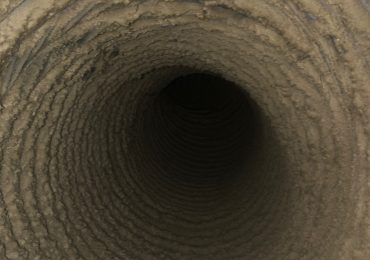
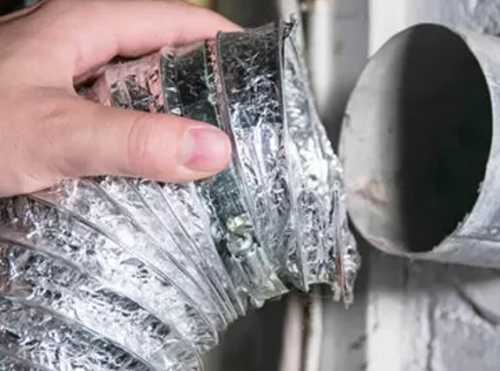
Over time, lint adheres to the interior surfaces of the vent, especially at bends and connection points. Flexible vent materials and longer vent runs provide more surface area for accumulation. Moisture causes lint to mat together, forming dense obstructions that reduce airflow.
In many homes, airflow issues are compounded by improper installation. Sharp turns, crushed sections, or vents routed through unconditioned spaces can all restrict airflow and accelerate buildup.
Why Poor Laundry Vent Airflow Increases Fire Risk
Fire risk increases when heat, lint, and restricted airflow combine. Laundry appliances generate high heat during normal operation. Lint is highly flammable. When airflow is restricted, heat cannot escape efficiently.
As temperatures rise inside the vent, lint deposits can overheat and ignite. This risk increases when dryers run longer cycles to compensate for reduced airflow. Multiple cycles in succession further elevate internal temperatures.
According to national fire safety organizations, failure to maintain laundry vent systems is a leading cause of dryer-related fires. These incidents often begin inside concealed vent pathways, allowing flames to spread before they are detected.
Warning Signs of Poor Laundry Vent Airflow
Early warning signs are often subtle. Longer drying times are one of the most common indicators. Clothes that remain damp after a normal cycle suggest airflow restriction.
Excessive heat in the laundry area is another warning sign. A dryer that feels unusually hot or causes the room to heat up significantly may be struggling to vent air properly.
Odors during operation should never be ignored. Burning smells may indicate overheating lint, while musty odors suggest trapped moisture inside the vent.
Outside the home, weak airflow at the exterior vent or lint accumulation around the vent opening points to internal blockage.
Effects on Energy Efficiency and Appliance Wear
Poor laundry vent airflow forces dryers to work harder. Extended run times increase energy consumption and raise utility costs. Over time, excessive heat and strain wear down internal components, leading to frequent repairs or early appliance replacement.
Maintaining proper airflow allows dryers to operate at intended efficiency levels, reducing both operating costs and mechanical stress.
Impact on Indoor Air Quality
Restricted laundry vent airflow affects more than just the dryer. When moisture cannot exit the system, indoor humidity levels increase. Elevated humidity contributes to mold and mildew growth in nearby areas.
Lint particles that fail to exit the vent can re-enter living spaces, increasing airborne particulates. This can worsen allergy symptoms and respiratory discomfort, especially during winter months when windows remain closed.
Balanced airflow is an important component of healthy indoor air quality.
Why Basic Maintenance Often Falls Short
Many homeowners rely on lint trap cleaning and occasional vacuuming to maintain their laundry systems. While these steps are important, they address only surface-level issues.
Most airflow restrictions occur deep inside the vent system, beyond the reach of household tools. Flexible vents, concealed runs, and wall cavities make thorough cleaning difficult without specialized equipment.
Professional service ensures the entire vent pathway is cleared, restoring airflow and reducing hidden risks.
Preventative Measures for Maintaining Proper Airflow
Homeowners can take several steps to reduce airflow problems. Cleaning the lint screen after every load is essential. Avoiding overloading the dryer reduces lint production and improves airflow.
Exterior vents should be inspected regularly to ensure they open fully and remain free of debris. Vent covers that trap lint should be replaced with safer alternatives.
Scheduling professional laundry vent maintenance on a routine basis is one of the most effective preventative strategies.
How Often Laundry Vent Systems Should Be Serviced
Most Orlando homes benefit from professional service at least once per year. Homes with frequent laundry use, larger households, or long vent runs may require more frequent attention.
Regular maintenance improves safety, efficiency, and overall system performance.
Internal Resources
https://abc-cleaninginc.com/blog/#/
https://abc-cleaninginc.com/services/dryer-vent-cleaning
External Resources
https://www.usfa.fema.gov/prevention/home-fires/prevent-fires/dryers/
https://www.nfpa.org/education-and-research/home-fire-safety/clothes-dryer-fires
https://www.cpsc.gov/Safety-Education/Safety-Education-Centers/Clothes-Dryer-Fires
Frequently Asked Questions About Poor Laundry Vent Airflow
Q: What causes poor laundry vent airflow?
A: Lint buildup, long vent runs, flexible duct materials, crushed sections, and moisture accumulation all contribute to restricted airflow.
Q: Is poor laundry vent airflow a fire hazard?
A: Yes. Restricted airflow allows heat to build up around flammable lint, increasing the risk of ignition.
Q: How can I tell if my laundry vent airflow is restricted?
A: Long drying times, excessive heat, burning or musty odors, and weak airflow at the exterior vent are common warning signs.
Q: Can poor airflow affect indoor air quality?
A: Yes. Trapped moisture and lint can increase humidity levels and airborne particulates inside the home.
Q: How often should laundry vent systems be serviced?
A: Most homes should schedule service annually, with higher-use households benefiting from more frequent maintenance.
About ABC Cleaning, Inc.
ABC Cleaning, Inc. provides professional laundry vent maintenance and indoor air quality services throughout the Orlando metro area. Our team focuses on thorough, safety-driven service that helps homeowners reduce fire risk, improve efficiency, and maintain healthy indoor air quality. If you suspect poor laundry vent airflow or want to schedule preventative service, contact ABC Cleaning, Inc. to take the next step toward a safer, cleaner home.