Chimney creosote removal Orlando is an important safety concern for homeowners who use fireplaces during cooler months. While fireplaces provide warmth and comfort, they also produce smoke and byproducts that travel through the chimney. One of the most significant of these byproducts is creosote, a highly flammable residue that can accumulate inside chimney walls over time.
According to the National Fire Protection Association (NFPA), chimney fires account for thousands of residential fires each year in the United States, and creosote buildup is one of the primary causes. Regular chimney maintenance helps remove these deposits and reduces the risk of dangerous chimney fires.
What Is Creosote and Why Does It Form?
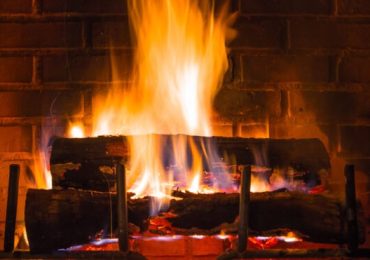
Creosote forms when wood burns inside a fireplace or wood stove. During combustion, smoke rises through the chimney carrying gases, water vapor, and tiny particles of unburned wood. As these materials move through the cooler chimney walls, they condense and stick to the interior surfaces.
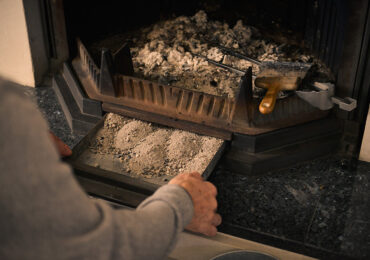
Over time, this residue accumulates and forms creosote. The buildup can appear in several stages, ranging from a light powdery layer to thick, tar-like deposits that cling tightly to the chimney walls.
Creosote tends to accumulate more quickly when:
- Wood is not fully seasoned or properly dried
- Fires burn at low temperatures
- The chimney has poor airflow
- The fireplace is used frequently
Because creosote is extremely combustible, even a small spark inside the chimney can ignite the buildup.
Why Creosote Buildup Is Dangerous
Creosote accumulation inside chimney systems creates a serious fire risk. As deposits grow thicker, they become easier to ignite and harder to remove.
Increased Risk of Chimney Fires
Creosote burns extremely hot when ignited. Chimney fires can reach temperatures exceeding 2,000 degrees Fahrenheit, which may damage chimney structures and surrounding materials.
Reduced Ventilation
Heavy creosote buildup can restrict airflow through the chimney. When smoke cannot escape efficiently, it may flow back into the home.
Structural Chimney Damage
Repeated exposure to extreme heat from creosote fires can weaken chimney liners and masonry.
Smoke and Odor Issues
Creosote deposits can also produce unpleasant odors that circulate through the home.
These risks make regular chimney maintenance an essential part of fireplace safety.
Signs That Your Chimney May Have Creosote Buildup
Homeowners often overlook chimney maintenance because the system is largely hidden from view. However, certain warning signs may indicate that creosote buildup has reached concerning levels.
Strong Smoky Odors
A persistent smoky smell coming from the fireplace or chimney may indicate residue buildup.
Poor Fireplace Draft
If smoke enters the room instead of traveling up the chimney, restricted airflow may be present.
Dark or Sticky Deposits
Visible black or tar-like residue inside the fireplace opening may signal creosote accumulation.
Unusual Noises in the Chimney
Cracking or popping sounds during a fire may indicate creosote igniting inside the chimney.
When these warning signs appear, it is important to address the issue promptly.
Professional Chimney Creosote Removal
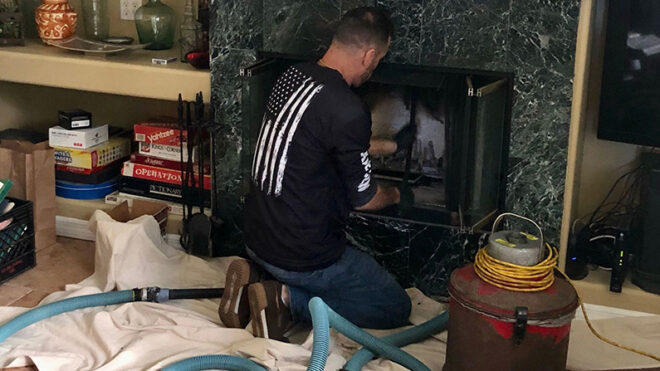
Removing creosote safely requires proper tools and experience. Professional chimney technicians use specialized brushes, vacuums, and inspection equipment to clean chimney walls thoroughly while protecting the home from soot and debris.
Professional chimney service typically includes:
- Removing creosote buildup from chimney walls
- Inspecting chimney liners and structure
- Identifying airflow restrictions
- Ensuring proper ventilation through the chimney system
Regular professional maintenance helps keep fireplaces operating safely and efficiently.
Best Practices to Reduce Creosote Formation
Although creosote buildup cannot be completely avoided, homeowners can take steps to slow the accumulation process.
Burn Seasoned Firewood
Dry, seasoned wood burns more efficiently and produces less creosote than green or damp wood.
Build Hotter Fires
Hotter fires help burn fuel more completely, reducing the amount of unburned particles entering the chimney.
Maintain Proper Airflow
Ensuring that dampers and vents operate correctly improves chimney draft and reduces residue buildup.
Schedule Regular Chimney Maintenance
Annual chimney inspections help identify creosote buildup before it becomes hazardous.
These simple steps can help reduce the rate of creosote accumulation inside chimney systems.
Why Chimney Maintenance Matters in Florida
Although Florida is known for its warm climate, many homes still use fireplaces during cooler winter months. Because fireplaces may sit unused for long periods, creosote buildup can go unnoticed until the next fire season.
Additionally, Florida’s humid climate can affect chimney systems by allowing moisture to mix with creosote deposits, sometimes producing stronger odors or sticky residue.
Routine chimney maintenance ensures that fireplaces remain safe and functional whenever homeowners choose to use them.
Long-Term Benefits of Chimney Creosote Removal
Maintaining a clean chimney system offers several advantages for homeowners who enjoy using their fireplaces.
These benefits include:
- Reduced risk of chimney fires
- Improved ventilation and smoke flow
- Cleaner fireplace operation
- Better overall fireplace performance
Regular chimney maintenance helps protect both the home and the people inside it.
Frequently Asked Questions
Q: How often should chimneys be professionally cleaned?
A. Most experts recommend having chimneys inspected and cleaned at least once per year, especially for homes that use fireplaces regularly.
Q: Is creosote always visible from the fireplace opening?
A. Not always. Creosote often accumulates deeper inside the chimney where homeowners cannot easily see it.
Q: Can creosote buildup cause chimney fires?
A. Yes. Creosote is highly flammable and is a leading cause of chimney fires.
Q: Does burning certain types of wood reduce creosote?
A. Seasoned hardwood typically produces less creosote than wet or soft wood.
Q: Should homeowners attempt to remove creosote themselves?
A. Professional chimney technicians have the tools and training to remove creosote safely and thoroughly.
Internal Resources
- https://abc-cleaninginc.com/
- https://abc-cleaninginc.com/blog/#/
- https://abc-cleaninginc.com/services/
External Resources
- https://www.nfpa.org/education-and-research/home-fire-safety/chimneys
- https://www.csia.org/homeowner-resources/creosote.html
- https://www.epa.gov/burnwise
ABC Cleaning, Inc. proudly serves homeowners throughout the Orlando metro area with professional fireplace and chimney maintenance services designed to improve home safety and ventilation. Our experienced team understands how creosote buildup can create serious risks inside chimney systems. If your fireplace has not been inspected recently or you suspect creosote buildup, contact ABC Cleaning, Inc. today to schedule professional chimney maintenance and help keep your home safe.