Chimney animal nest problems Orlando homeowners sometimes face can create serious ventilation and safety concerns. Chimneys provide warm, sheltered spaces that attract birds, squirrels, raccoons, and other small animals looking for a safe nesting location. When animals enter the chimney and build nests inside the flue, they can block airflow and prevent smoke from venting properly.
According to the Chimney Safety Institute of America, animal nests are one of the most common chimney blockages found during professional chimney inspections. These nests can restrict airflow and create dangerous conditions when homeowners attempt to use their fireplaces.
Why Animals Enter Chimneys
Chimneys often resemble hollow trees or sheltered cavities to animals searching for nesting locations. Birds, especially chimney swifts, commonly enter chimneys because they are attracted to tall vertical structures.
Several factors make chimneys appealing to animals:
- Warm air rising through the chimney
- Protection from predators
- A quiet and sheltered environment
- Easy access through an uncovered chimney opening
Without protective chimney caps, animals may enter the flue and begin nesting inside.
Types of Animals Commonly Found in Chimneys
Several types of wildlife are known to enter residential chimneys.
Birds
Chimney swifts and other birds frequently build nests inside chimney flues during nesting seasons.
Squirrels
Squirrels may climb onto rooftops and enter chimneys while searching for protected spaces.
Raccoons
Raccoons sometimes use chimneys as nesting locations for raising young.
Other Small Animals
Occasionally, rodents or small wildlife may enter chimneys through open flue openings.
Each of these animals may leave behind nesting materials that block airflow.
Warning Signs of Animal Nests in Chimneys
Homeowners may notice several signs when animals have entered the chimney.
Unusual Noises Inside the Chimney
Scratching, chirping, or movement sounds may indicate animals inside the flue.
Debris in the Fireplace
Twigs, leaves, or nesting materials falling into the fireplace may signal a nest above.
Strong Odors
Organic nesting materials or animal waste may create unpleasant smells.
Smoke Entering the Home
If a nest blocks the chimney flue, smoke may not vent properly and could enter the living space.
If these signs appear, the chimney should not be used until it has been inspected.
Why Chimney Animal Nests Are Dangerous
Animal nests inside chimneys can create several safety hazards.
Blocked Ventilation
Nesting materials can restrict airflow and prevent smoke from exiting the home.
Increased Fire Risk
Dry twigs and leaves used in nests are highly flammable.
Carbon Monoxide Exposure
Poor ventilation may allow harmful gases to enter the home.
Structural Chimney Damage
Animals moving inside the chimney may damage liners or other components.
Professional inspection helps identify and safely remove nests.
Why Orlando Homes Sometimes Experience Chimney Animal Nests
In Orlando and surrounding Central Florida communities, wildlife is abundant. Many animals easily access rooftops using nearby trees or fences. If chimneys do not have protective caps, they may become easy entry points.
Because fireplaces may remain unused for long periods in Florida’s warm climate, animals may build nests inside chimneys without homeowners noticing until the fireplace is used again.
Routine inspections help detect these issues early.
Professional Chimney Inspection and Nest Removal
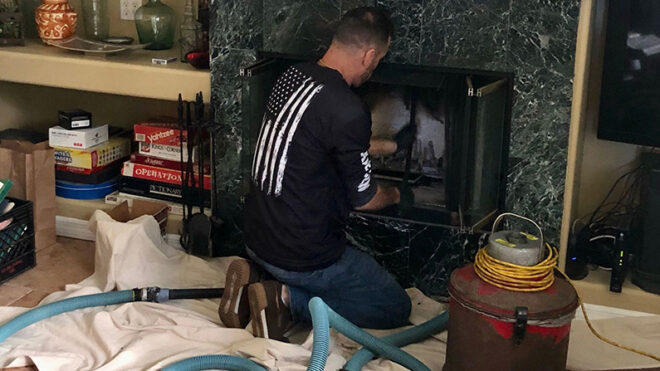
Removing animal nests from chimneys should be handled by trained professionals. Technicians use proper tools to safely remove debris and inspect the chimney for damage.
Professional chimney services may include:
- Removing animal nests and debris
- Inspecting chimney flues for blockages
- Evaluating airflow and ventilation
- Installing protective chimney caps
These services help restore safe chimney operation.
Preventing Animals from Entering Chimneys
Homeowners can take several preventative steps to keep wildlife out of chimneys.
Install a Chimney Cap
A chimney cap with a mesh screen prevents animals from entering the flue.
Schedule Regular Chimney Inspections
Routine inspections help detect nests or debris early.
Trim Nearby Tree Branches
Branches close to the roof may allow animals easier access to the chimney.
Maintain the Chimney Structure
Repairing damaged chimney components helps prevent openings animals may use to enter.
These steps help protect the chimney system.
Long-Term Benefits of Chimney Maintenance
Maintaining a clear chimney system provides several advantages.
Benefits may include:
- Safer fireplace operation
- Proper smoke ventilation
- Reduced risk of chimney fires
- Protection against wildlife intrusion
Regular chimney inspections help ensure fireplaces remain safe and functional.
Frequently Asked Questions
Q: Can birds live inside chimneys?
Yes. Chimney swifts and other birds sometimes build nests inside chimney flues.
Q: Are chimney animal nests dangerous?
Yes. Nests can block airflow and increase fire risks.
Q: Should I remove a nest myself?
It is best to have professionals remove chimney nests safely.
Q: How can I prevent animals from entering my chimney?
Installing a chimney cap is one of the most effective solutions.
Q: How often should chimneys be inspected?
Most experts recommend annual chimney inspections.
Internal Resources
- https://abc-cleaninginc.com/
- https://abc-cleaninginc.com/blog/#/
- https://abc-cleaninginc.com/services/
External Resources
- https://www.csia.org/homeowner-resources/animals-in-chimneys.html
- https://www.nfpa.org/education-and-research/home-fire-safety/chimneys
- https://www.epa.gov/burnwise
ABC Cleaning, Inc. proudly serves homeowners throughout the Orlando metro area with professional chimney inspection and maintenance services designed to keep fireplace systems operating safely. Our experienced technicians help remove debris, nests, and creosote buildup while restoring proper chimney airflow. If you suspect animals may have entered your chimney or you are preparing to use your fireplace, contact ABC Cleaning, Inc. today to schedule a professional chimney inspection and protect your home.