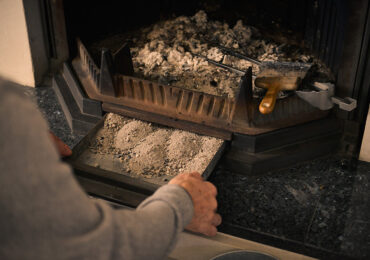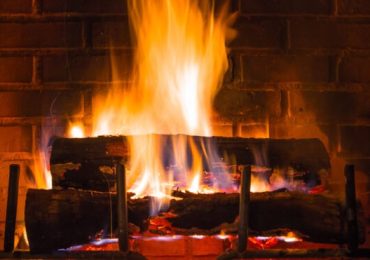
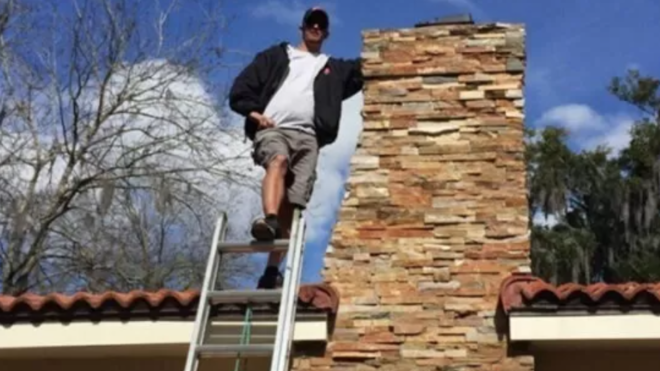
Chimney inspection safety Orlando is an important step for homeowners who use fireplaces and want to ensure their systems operate safely. A chimney may appear simple from the outside, but it contains several internal components that must function correctly to allow smoke and gases to exit the home. Without regular inspection and maintenance, hidden issues inside the chimney can increase the risk of fires, poor ventilation, or structural damage.
According to the National Fire Protection Association (NFPA), chimneys, fireplaces, and chimney connectors are involved in thousands of residential fires every year. Many of these incidents occur because creosote buildup, structural damage, or blockages go unnoticed inside the chimney system. Regular chimney inspections help identify these issues before they create safety hazards.
How Chimney Systems Protect the Home
A chimney plays a critical role in safely venting smoke, gases, and combustion byproducts away from the home. When a fireplace burns wood, smoke rises through the chimney and exits above the roofline.
A properly functioning chimney system includes several key components:
- The chimney flue that carries smoke upward
- A chimney liner that protects surrounding structures from heat
- A chimney cap that prevents debris or animals from entering
- Proper airflow that allows smoke to exit efficiently
If any of these components become damaged or blocked, the chimney may not function safely.
Common Problems Found During Chimney Inspections
Because chimney systems extend above the roof and through the interior structure of the home, many issues can develop over time. A professional chimney inspection helps identify these problems before they worsen.
Creosote Buildup
Creosote forms when wood smoke condenses inside chimney walls. This flammable residue can ignite if allowed to accumulate.
Blockages Inside the Chimney
Leaves, bird nests, and other debris can obstruct airflow inside the chimney.
Damaged Chimney Liners
Cracked or deteriorating liners can expose nearby building materials to excessive heat.
Moisture Damage
Water entering the chimney may weaken masonry or cause corrosion inside metal components.
These issues may not be visible to homeowners but can create serious safety risks if ignored.
Signs Your Chimney May Need an Inspection
Some homeowners only think about chimney maintenance when they plan to use their fireplace. However, certain warning signs may indicate the need for a professional inspection.
Smoke Entering the Room
If smoke flows back into the living space instead of rising through the chimney, airflow may be restricted.
Strong Odors From the Fireplace
Persistent smoky or musty smells may signal residue buildup or moisture problems inside the chimney.
Crumbling Masonry or Visible Damage
Exterior damage around the chimney structure may indicate deeper structural issues.
Animals or Debris in the Chimney
Birds and small animals sometimes enter chimneys that lack protective caps.
When these issues appear, it is best to schedule a professional inspection before using the fireplace again.
Why Professional Chimney Inspections Matter
Chimney inspections require specialized knowledge and equipment to properly evaluate the condition of the entire system. Professional technicians can identify safety concerns that are not visible during a basic visual check.
A professional inspection may include:
- Examining the chimney liner and flue
- Checking for creosote buildup
- Identifying blockages or debris
- Evaluating chimney structure and ventilation
Early detection of chimney issues helps prevent more costly repairs and improves fireplace safety.
Preventative Chimney Maintenance Tips
While professional inspections are important, homeowners can also take several steps to keep their chimney systems functioning properly.
Use Seasoned Firewood
Dry, seasoned wood burns more efficiently and produces less creosote.
Install a Chimney Cap
Chimney caps prevent animals, debris, and rainwater from entering the flue.
Avoid Burning Improper Materials
Only burn appropriate firewood in fireplaces to prevent excessive smoke and residue buildup.
Schedule Annual Chimney Inspections
Annual inspections help detect small issues before they become dangerous.
Consistent maintenance helps extend the life of the chimney and maintain safe operation.
Why Chimney Inspections Are Important Even in Florida
Although Florida has a warm climate, many homeowners still use fireplaces during cooler winter months. Because fireplaces may remain unused for long periods, chimney issues can develop unnoticed between seasons.
Additionally, Florida’s humidity and frequent rainstorms can affect chimney structures over time. Moisture intrusion can weaken masonry or create conditions for mold and odor buildup.
Regular chimney inspections ensure that fireplaces remain safe whenever homeowners choose to use them.
Long-Term Benefits of Chimney Inspections
Routine chimney inspections provide peace of mind for homeowners who rely on fireplaces for warmth and comfort. By identifying potential problems early, inspections help prevent hazards and maintain proper chimney performance.
Benefits may include:
- Reduced risk of chimney fires
- Improved ventilation and smoke flow
- Early detection of structural damage
- Safer fireplace operation
Maintaining a properly functioning chimney system helps protect both the home and the family living inside it.
Frequently Asked Questions
Q: How often should chimneys be inspected?
Most experts recommend professional chimney inspections at least once per year.
Q: What does a chimney inspection involve?
Technicians examine the chimney liner, flue, structure, and ventilation system to identify potential hazards.
Q: Can animals enter chimneys?
Yes. Birds and small animals may enter chimneys that lack protective caps.
Q: Is chimney inspection necessary if the fireplace is rarely used?
Yes. Moisture, debris, and structural damage can still develop even if the fireplace is used infrequently.
Q: Can chimney problems lead to fires?
Yes. Creosote buildup and structural issues inside chimneys can increase the risk of chimney fires.
Internal Resources
- https://abc-cleaninginc.com/
- https://abc-cleaninginc.com/blog/#/
- https://abc-cleaninginc.com/services/
External Resources
- https://www.nfpa.org/education-and-research/home-fire-safety/chimneys
- https://www.csia.org/homeowner-resources/chimney-inspections.html
- https://www.epa.gov/burnwise
ABC Cleaning, Inc. proudly serves homeowners throughout the Orlando metro area with professional chimney inspection and maintenance services designed to protect homes and improve fireplace safety. Our experienced technicians understand how hidden chimney issues can create serious risks if left unaddressed. If your fireplace has not been inspected recently, contact ABC Cleaning, Inc. today to schedule a professional chimney inspection and keep your home safe.