Air vent allergen removal Orlando homes is an important step for homeowners who want to improve indoor air quality and reduce airborne irritants. Over time, allergens such as dust mites, pollen, pet dander, and other microscopic particles accumulate inside air vent pathways. When the HVAC system operates, these allergens can circulate throughout the home, affecting the air that families breathe every day.
According to the Asthma and Allergy Foundation of America, more than 100 million people in the United States experience allergies each year, and indoor allergens are a major trigger. Because modern homes remain closed most of the time to maintain comfortable temperatures, allergens often become trapped indoors. This makes proper maintenance of HVAC air vent systems an important part of maintaining a healthy indoor environment.
Understanding How Allergens Enter Air Vent Systems
Allergens enter homes through a variety of everyday activities. When doors and windows open, outdoor particles such as pollen and dust enter the house. Pets also bring in allergens on their fur and paws, while household dust forms from fabric fibers, skin cells, and microscopic debris.
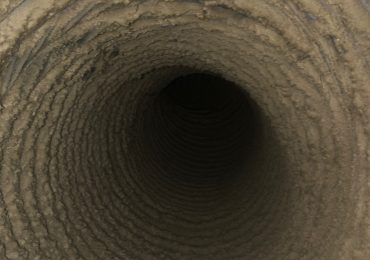
Once inside the home, these particles circulate through the HVAC system as air moves through the air vent pathways. While HVAC filters capture some of these particles, they cannot trap everything. Over time, allergens can settle inside air vent systems where they accumulate gradually.
Common allergens that may build up in air vent pathways include:
- Pollen from trees, grasses, and plants
- Pet dander from cats and dogs
- Dust mites and microscopic debris
- Mold spores carried through humid air
- Fibers from carpets, upholstery, and clothing
As the HVAC system circulates air throughout the home, these particles may reenter living spaces if buildup becomes significant.
Why Air Vent Allergen Removal Matters
Maintaining clean air vent systems plays an important role in controlling indoor allergens. When allergen buildup occurs inside air vent pathways, each heating or cooling cycle may circulate particles through the home repeatedly.
This continuous circulation may contribute to several indoor air concerns:
Increased Allergy Symptoms
Individuals with allergies may experience sneezing, congestion, itchy eyes, or respiratory discomfort when allergens circulate through indoor air.
Persistent Household Dust
Dust accumulation on furniture and floors may occur more quickly when particles are distributed through the air vent system.
Poor Indoor Air Quality
When allergens remain inside HVAC systems, they may remain suspended in indoor air rather than being removed through filtration.
By addressing allergen buildup inside air vent pathways, homeowners can help reduce the number of airborne irritants circulating through their homes.
Signs That Allergens May Be Circulating Through Air Vents
Because air vent systems are hidden behind walls and ceilings, homeowners may not immediately recognize when allergens are circulating through the HVAC system. However, certain warning signs may indicate that professional maintenance could be beneficial.
Frequent Dust Accumulation
If dust returns quickly after cleaning, it may indicate that particles are circulating through the air vent system.
Allergy Symptoms Indoors
Family members experiencing allergy symptoms primarily inside the home may be reacting to indoor airborne particles.
Air Vent Covers Collecting Dust
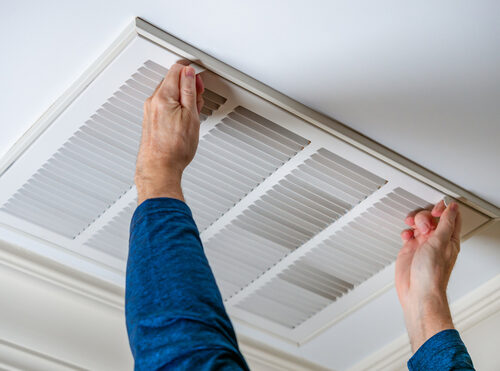
Dust buildup around air vent covers can suggest that particles are being pushed through the HVAC system during operation.
Musty or Stale Air
When air moves through contaminated pathways, unpleasant odors may sometimes occur.
Recognizing these indicators early allows homeowners to address potential indoor air quality issues before they become more significant.
The Role of Professional Air Vent Allergen Removal
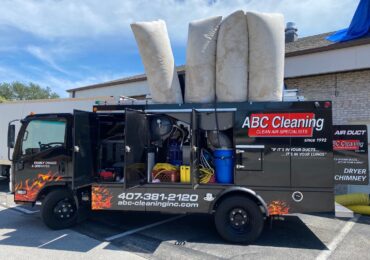
While routine home cleaning helps reduce dust and allergens on surfaces, removing buildup inside air vent pathways requires specialized tools and professional techniques. Professional service helps remove contaminants that homeowners cannot easily reach.
Professional allergen removal typically involves:
- Removing debris from HVAC air vent pathways
- Inspecting airflow performance throughout the system
- Identifying areas where particles may accumulate
- Helping restore balanced airflow in the home
This process allows HVAC systems to circulate cleaner air more effectively.
Preventing Future Allergen Buildup
Although allergen removal is important when buildup occurs, homeowners can also take preventative steps to reduce the amount of airborne debris entering the HVAC system.
Replace Air Filters Regularly
HVAC filters should typically be replaced every one to three months depending on household conditions.
Maintain Clean Air Vent Covers
Dusting and vacuuming air vent covers helps prevent particles from entering the system.
Control Indoor Humidity
High humidity levels can contribute to mold and dust mite growth. Maintaining balanced humidity can help reduce these allergens.
Keep Living Spaces Clean
Regular vacuuming and dusting help minimize the number of particles circulating in indoor air.
These preventative measures help keep HVAC systems cleaner between professional services.
Why Orlando Homes Face Unique Allergen Challenges
Homes throughout the Orlando area experience environmental conditions that may contribute to higher indoor allergen levels. Florida’s climate allows pollen-producing plants to thrive for much of the year. As a result, pollen can enter homes frequently through normal daily activity.
In addition, Central Florida’s warm climate causes HVAC systems to operate regularly throughout the year. Because air circulation occurs so frequently, airborne allergens may move through air vent pathways more often than in regions with shorter cooling seasons.
These environmental factors make proper HVAC maintenance particularly important for homeowners in the Orlando area.
Long-Term Benefits of Air Vent Allergen Removal
Maintaining clean air vent pathways can provide several long-term benefits for homeowners and families. By reducing the amount of airborne debris circulating through the home, indoor air quality can improve and HVAC systems may operate more efficiently.
Some potential benefits include:
- Reduced airborne allergens inside the home
- Improved indoor air circulation
- Less visible dust on furniture and surfaces
- Better overall indoor comfort
These improvements help create a cleaner and more comfortable home environment.
Frequently Asked Questions
Q: How often should air vent systems be serviced to reduce allergens?
Many homes benefit from professional maintenance every few years, although households with pets or allergy sufferers may benefit from more frequent service.
Q: Can allergens inside air vents affect indoor air quality?
Yes. Allergens trapped inside air vent pathways can circulate through the home when the HVAC system operates.
Q: Do air filters prevent allergens from entering air vent systems?
Air filters capture many particles but cannot trap every contaminant. Some allergens may still accumulate over time.
Q: Are Orlando homes more prone to indoor allergens?
Florida’s warm climate and year-round plant growth can contribute to higher pollen exposure, which may increase indoor allergen levels.
Q: Is professional allergen removal safe for HVAC systems?
Yes. Qualified technicians use specialized tools designed to remove debris safely without damaging HVAC components.
Internal Resources
- https://abc-cleaninginc.com/
- https://abc-cleaninginc.com/blog/#/
- https://abc-cleaninginc.com/services/
External Resources
- https://www.epa.gov/indoor-air-quality-iaq
- https://www.aafa.org/allergies/
- https://www.cdc.gov/asthma/default.htm
ABC Cleaning, Inc. proudly serves homeowners throughout the Orlando metro area with professional indoor air system services designed to support healthier living environments. Our experienced team helps remove buildup inside HVAC air vent pathways so families can enjoy cleaner air and improved comfort. If you are concerned about allergens circulating in your home, contact ABC Cleaning, Inc. today to schedule professional service and take an important step toward improving your indoor air quality.