If your dryer isn’t performing the way it used to, dryer vent airflow cleaning Orlando is probably overdue. Most people assume the appliance itself is failing, but in many cases, the real problem is airflow restriction inside the system.
This isn’t guesswork. When airflow is compromised, everything about the dryer changes—performance drops, energy use rises, and safety risks increase.
Why Airflow Is Critical to Dryer Performance
A dryer doesn’t just produce heat. It relies on moving hot, moist air out of the system efficiently. That airflow is what allows clothes to dry properly.
When airflow is restricted, moisture stays trapped inside the drum. That forces the dryer to run longer, using more energy while delivering worse results.
This is where most homeowners get it wrong. They replace parts or even the entire unit when the real issue is the exhaust pathway.
What Causes Airflow Restriction
Airflow doesn’t just disappear. It gets blocked over time.
Common causes include:
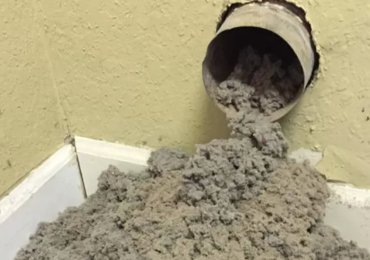
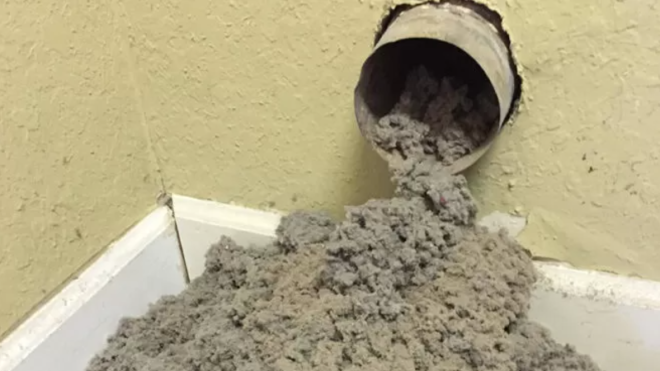
- Lint accumulation inside the vent line
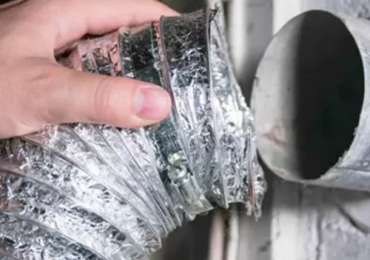
- Crushed or bent vent hoses
- Debris blocking the exterior vent opening
- Long or improperly installed vent paths
- Moisture causing lint to compact
According to the U.S. Fire Administration, failure to maintain dryer systems is a leading factor in thousands of residential fires each year. Restricted airflow plays a major role in that risk.
How Poor Airflow Impacts Drying Time
When airflow is reduced, your dryer has to compensate. That usually means longer cycles.
Instead of one cycle, you might need two or three. Over time, this becomes the new normal, and many people stop questioning it.
But longer drying times lead to:
- Increased utility bills
- More wear on clothing
- Higher strain on the appliance
This is a gradual problem that gets worse the longer it’s ignored.
The Energy Efficiency Problem
A dryer running longer than necessary is wasting energy. There’s no way around it.
The U.S. Department of Energy emphasizes proper appliance maintenance to ensure efficient operation. When airflow is blocked, efficiency drops immediately.
That means you’re paying more every month for a system that isn’t working correctly.
Warning Signs of Airflow Problems
Most systems give clear signals before serious issues develop. You just have to pay attention.
Look for:
- Clothes taking longer to dry
- The dryer feeling excessively hot
- A noticeable drop in airflow at the exterior vent
- Lint buildup around the vent opening
- A musty or burning smell
These aren’t minor inconveniences. They’re signs of restricted airflow.
Safety Risks You Should Take Seriously
This isn’t just about performance. It’s about safety.
Lint is highly flammable. When airflow is blocked, heat builds up inside the system. That creates the conditions needed for ignition.
The National Fire Protection Association reports that dryers are a significant source of residential fires, often due to lack of maintenance.
This is one of the most preventable risks in a home—if it’s addressed early.
How Often Should Airflow Cleaning Be Done
There’s no reason to overthink it. A consistent schedule works.
- Once per year for most homes
- Every 6–12 months for heavy use
- More often for larger households
- Immediately if warning signs appear
Skipping maintenance is what leads to restriction in the first place.
Professional Cleaning vs Basic Maintenance
Cleaning the lint trap is expected. That’s the bare minimum.
But airflow issues usually occur deeper in the system.
Professional service includes:
- Clearing the full vent line
- Removing compacted lint
- Checking airflow performance
- Identifying installation issues
Without proper tools, most of the problem remains untouched.
Long-Term Benefits of Proper Airflow
Restoring airflow doesn’t just fix one issue. It improves the entire system.
Benefits include:
- Faster drying times
- Lower energy bills
- Reduced wear on the appliance
- Improved safety
This is one of those maintenance tasks that delivers immediate and long-term value.
Practical Takeaways for Homeowners
If your dryer isn’t performing the way it should, don’t ignore it.
Pay attention to drying time changes. Check the exterior vent. Clean the lint trap consistently. Schedule professional service when airflow problems appear.
These steps are simple but effective.
Frequently Asked Questions
Why is my dryer taking longer to dry clothes?
Restricted airflow is one of the most common reasons. Lint buildup inside the vent system slows down moisture removal.
Can airflow problems damage my dryer?
Yes. Increased strain and overheating can shorten the lifespan of internal components.
Is cleaning the lint trap enough?
No. It only addresses surface-level lint. Buildup still occurs inside the vent line.
How can I check airflow at home?
You can check the exterior vent while the dryer is running. Weak airflow is a sign of restriction.
How long does professional cleaning take?
Most services take one to two hours, depending on the system.
External Resources
- https://www.usfa.fema.gov/prevention/outreach/clothes_dryers.html
- https://www.energy.gov/energysaver
- https://www.nfpa.org/Public-Education/Fire-causes-and-risks/Top-fire-causes/Clothes-dryers
Internal Resources
- https://abc-cleaninginc.com/
- https://abc-cleaninginc.com/blog/#/
- https://abc-cleaninginc.com/services/
About ABC Cleaning, Inc.
ABC Cleaning, Inc. focuses on delivering reliable service that improves safety, efficiency, and performance in homes across the Orlando area. Their team takes a detailed approach to identifying airflow issues and restoring proper system function.
If your dryer isn’t operating efficiently, now is the time to address it. Contact ABC Cleaning, Inc. today to improve airflow, reduce risk, and keep your home running the way it should.