If you’re putting off chimney soot removal Orlando, you’re letting a preventable hazard build up inside your home. Fireplaces may not get heavy use in Florida, but that doesn’t mean they stay clean or safe on their own. Even occasional use creates residue that needs to be addressed.
This is one of those maintenance tasks that gets ignored until there’s a problem. By then, the buildup is already doing damage.
What Soot Is and Why It Builds Up
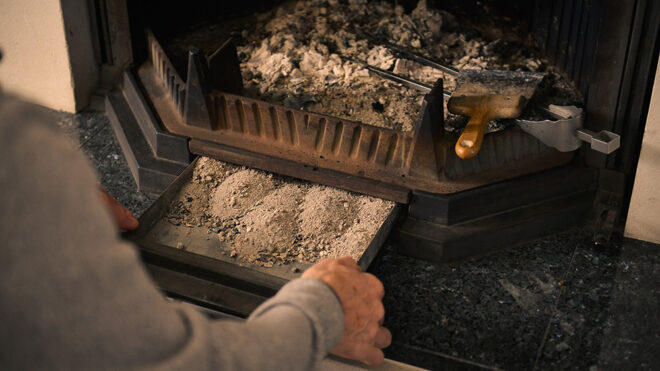
Soot is a fine black residue created when wood or other materials burn. It’s made up of carbon particles, ash, and other combustion byproducts.
Each time you use your fireplace, soot travels upward through the chimney and sticks to the inner surfaces. Over time, this layer thickens.
Soot doesn’t build up evenly. It collects in areas where airflow slows down, making it harder for smoke and gases to escape.
According to the National Fire Protection Association, failure to maintain chimney systems is a leading contributor to residential fire hazards. Soot buildup plays a direct role in that risk.
The Difference Between Soot and Creosote
Many homeowners confuse soot with creosote. They’re not the same, but both are dangerous.
Soot is lighter and powdery. Creosote is thicker, sticky, and more flammable.
However, soot can still:
- Restrict airflow
- Trap moisture
- Contribute to odor problems
- Act as a base layer for creosote buildup
Ignoring soot allows more serious buildup to form over time.
How Soot Affects Airflow and Ventilation
Your chimney relies on proper airflow to function correctly. Smoke and gases need a clear path to exit the home.
When soot accumulates, that pathway becomes narrower. This leads to:
- Slower smoke movement
- Increased chance of smoke entering the home
- Reduced draft when starting a fire
Poor ventilation doesn’t just affect performance. It affects safety.
The U.S. Consumer Product Safety Commission emphasizes the importance of maintaining ventilation systems to reduce indoor hazards.
Health Concerns Linked to Soot Exposure
Soot isn’t just a maintenance issue. It can affect indoor air quality as well.
Fine particles can enter the living space and contribute to:
- Respiratory irritation
- Allergy symptoms
- Eye and throat discomfort
In homes where fireplaces are used regularly, this becomes a more noticeable problem.
Even in occasional-use homes, soot can still impact air quality if buildup is left untreated.
Warning Signs That Soot Buildup Is a Problem
Soot buildup doesn’t always show obvious signs, but there are indicators you shouldn’t ignore.
Look for:
- Black residue around the fireplace opening
- A strong smoky or burnt odor
- Smoke entering the room when the fireplace is used
- Reduced draft or difficulty starting a fire
- Visible buildup inside the chimney
These signs mean the system is already restricted.
The Role of Moisture in Soot Damage
In a humid climate like Florida, moisture plays a bigger role than most people expect.
When moisture mixes with soot, it creates acidic compounds. Over time, these compounds can:
- Damage the chimney lining
- Cause corrosion in metal components
- Lead to structural deterioration
This isn’t immediate, but once it starts, it spreads.
How Often Chimney Soot Should Be Removed
There’s a simple standard that works for most homes.
Annual inspection and cleaning is recommended, even if the fireplace is used occasionally.
The Chimney Safety Institute of America recommends regular maintenance to ensure chimney systems remain safe and functional.
Skipping years at a time is where problems begin to compound.
Why Professional Cleaning Is Necessary
Soot removal is not a surface-level task. It requires proper tools and access to the full chimney system.
Professional service includes:
- Removing soot buildup throughout the flue
- Inspecting for damage or cracks
- Identifying airflow issues
- Ensuring the system is clear of obstructions
Attempting to handle this without proper equipment usually leads to incomplete results.
Long-Term Benefits of Soot Removal
Routine soot removal helps protect both your home and your system.
Benefits include:
- Improved airflow and ventilation
- Reduced risk of fire hazards
- Better indoor air quality
- Extended life of chimney components
This is one of those maintenance tasks that prevents larger, more expensive problems.
Practical Takeaways for Homeowners
If you use a fireplace, even occasionally, don’t ignore maintenance.
Schedule regular inspections. Pay attention to signs of buildup. Address issues early instead of waiting for them to worsen.
Consistent upkeep keeps the system working safely and efficiently.
Frequently Asked Questions
How do I know if my chimney has too much soot?
If you see black residue, smell smoke, or experience poor airflow, soot buildup is likely present.
Is soot dangerous on its own?
While not as flammable as creosote, soot can still restrict airflow and contribute to safety and air quality issues.
Can soot affect indoor air quality?
Yes. Fine particles can enter the home and irritate the respiratory system.
How often should soot be removed?
At least once a year, or more often with frequent fireplace use.
Can I clean soot myself?
Surface cleaning is possible, but full removal and inspection require professional tools.
External Resources
- https://www.nfpa.org/Public-Education/Fire-causes-and-risks/Top-fire-causes/Chimneys
- https://www.cpsc.gov/Safety-Education/Safety-Education-Centers/Fireplaces-and-Wood-Stove
- https://www.csia.org/homeowner-resources.html
Internal Resources
- https://abc-cleaninginc.com/
- https://abc-cleaninginc.com/blog/#/
- https://abc-cleaninginc.com/services/
About ABC Cleaning, Inc.
ABC Cleaning, Inc. provides detailed, reliable service focused on maintaining safe and efficient home systems. Their team works with homeowners across the Orlando area to remove buildup, improve airflow, and reduce preventable risks.
If your chimney hasn’t been cleaned recently, now is the time to take care of it. Contact ABC Cleaning, Inc. today to protect your home and keep your fireplace system working properly.