If you’re trying to figure out how to check dryer vent is clogged Orlando, you’re not alone. A lot of homeowners notice something feels off—longer drying times, extra heat—but they’re not sure how to confirm the problem.
Here’s the truth: you don’t need to take your system apart to know if there’s a blockage. There are practical, straightforward ways to check your dryer vent and get a clear answer.
And this matters more than most people realize. According to the U.S. Fire Administration, failure to clean dryer vents is the leading cause of dryer fires. That’s not a rare situation—it’s a preventable one.
Why Dryer Vent Blockages Happen
Before checking anything, understand what you’re dealing with.
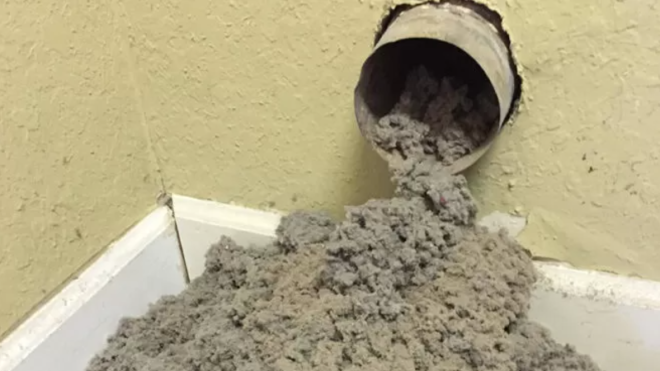
Every time you run your dryer, lint moves through the system. Some of it gets trapped in the lint screen, but not all of it. The rest travels through the exhaust line.
Over time, that lint builds up.
In Orlando, conditions make it worse:
- Humidity can cause lint to stick to the inside of the vent
- Frequent dryer use increases accumulation
- Longer vent lines allow more areas for buildup
Eventually, that buildup restricts airflow.
Step-by-Step: How to Check If Your Dryer Vent Is Clogged
These checks are simple and don’t require specialized tools. They give you a clear picture of what’s going on.
Step 1: Run a Drying Cycle and Pay Attention
Start with a normal load of laundry.
Ask yourself:
- Is it taking longer than usual to dry?
- Does the dryer feel hotter than normal?
If the answer is yes, airflow may be restricted.
This is your first clue—not proof, but a strong indicator.
Step 2: Check the Airflow Outside
Go to the exterior vent while the dryer is running.
You should feel:
- A steady flow of warm air
- Consistent pressure coming out of the vent
If airflow is weak, inconsistent, or barely noticeable, there’s likely a blockage.
This is one of the most reliable checks you can do.
Step 3: Look at the Vent Flap
Your outside vent should have a flap that opens when the dryer runs.
If it:
- Barely opens
- Opens slowly
- Doesn’t open at all
That’s a sign air isn’t moving properly through the system.
Restricted airflow usually points to buildup inside the line.
Step 4: Inspect the Lint Trap and Surrounding Area
Remove the lint screen and take a closer look.
Also check:
- Around the dryer
- Behind the unit if accessible
If you see excessive lint outside the trap, it means lint is escaping where it shouldn’t—and likely building up in the vent.
Step 5: Check for Heat and Moisture
After running a cycle, open the dryer.
If clothes feel:
- Hot but still damp
- Slightly musty
That means moisture isn’t being properly vented.
A clogged system traps heat and humidity inside.
Step 6: Listen for Unusual Operation
Your dryer should run consistently.
If you hear:
- Longer cycles
- The unit struggling to maintain performance
It may be compensating for poor airflow.
Machines work harder when vents are clogged.
What These Checks Can and Can’t Tell You
These steps help you confirm a problem exists. They do not show you the full condition of the vent system.
Here’s the limitation:
- You can detect symptoms
- You cannot see internal buildup deep inside the line
That’s where professional inspection comes in.
When You Should Stop and Call a Professional
If you confirm signs of a clog, don’t keep running the dryer hoping it improves.
You should schedule service if:
- Drying times continue to increase
- Airflow is weak at the exterior vent
- The dryer is overheating
- You notice a burning smell
These are not issues that resolve on their own.
Why DIY Cleaning Isn’t Always Enough
Some homeowners try to handle this themselves.
You can clean:
- The lint trap
- The immediate connection behind the dryer
But most vent systems extend several feet—sometimes through walls or attic spaces.
Without proper tools, you won’t reach the full buildup.
Partial cleaning leaves the problem in place.
Q&A: Checking a Dryer Vent
How often should I check my dryer vent?
At least every few months. Pay attention to performance changes even between checks.
Can a dryer vent be clogged even if the lint trap is clean?
Yes. The lint trap only catches part of the debris. The rest travels into the vent system.
Is weak airflow always a sign of a clog?
Most of the time, yes. Restricted airflow is one of the clearest indicators of buildup.
Can I use my dryer if I think the vent is clogged?
It’s not recommended. Continued use increases heat buildup and fire risk.
How long does it take to fix a clogged dryer vent?
Professional cleaning is usually quick—often completed within an hour depending on the system.
The Smart Approach
Don’t wait for a complete blockage.
Check your system regularly. Pay attention to changes. And when signs appear, take action.
This isn’t complicated—but it does require awareness.
Final Thoughts
If you’re trying to figure out how to check dryer vent is clogged Orlando, the process is simple. Watch how your dryer performs, check airflow, and look for warning signs.
If something doesn’t add up, trust it.
Ignoring the issue doesn’t make it go away—it makes it worse.
About ABC Cleaning, Inc.
ABC Cleaning, Inc. has been serving Central Florida for over 30 years, providing professional dryer vent and system cleaning services that improve safety and efficiency. We don’t rely on guesswork. Every service is based on real inspection and proven methods.
If you suspect your dryer vent is clogged, don’t wait. Call ABC Cleaning, Inc. today or visit https://abc-cleaninginc.com/ to schedule your free inspection and get clear answers about your system.
Internal Resources
- https://abc-cleaninginc.com/blog/#/
- https://abc-cleaninginc.com/air-duct-cleaning/
- https://abc-cleaninginc.com/dryer-vent-cleaning/