HVAC Duct Maintenance Lake Nona services often reveal hidden dust sources that many homeowners never realize exist. While dust on furniture and floors is easy to spot, a significant amount of debris can accumulate inside a home’s heating and cooling system without being visible. Over time, this buildup can affect airflow, indoor air quality, and HVAC performance.
According to studies on indoor environments, the average six-room home can accumulate up to 40 pounds of dust annually. Much of this dust eventually enters the HVAC system through return air vents. Once inside, particles can settle throughout the duct network and continue circulating throughout the home. Understanding where dust originates can help homeowners appreciate the importance of routine HVAC maintenance.
Where Does Household Dust Come From?
Many people assume dust only comes from outside. In reality, indoor dust comes from numerous sources.
Common contributors include:
- Soil tracked indoors
- Pollen
- Pet dander
- Human skin cells
- Fabric fibers
- Carpet particles
- Household debris
Everyday activities such as walking, vacuuming, opening doors, and running ceiling fans can cause dust to become airborne. Eventually, much of it is drawn into the HVAC system.
Return Air Vents Collect More Dust Than Most Homeowners Realize
One of the largest dust collection points is the return air vent system.
Return vents pull air back into the HVAC equipment so it can be conditioned and redistributed throughout the home. Along with that air comes dust and airborne particles.
Over time, return vents can accumulate:
- Dust layers
- Pet hair
- Pollen
- Household debris
- Fine particulate matter
This accumulation is often hidden behind vent covers, making it difficult for homeowners to detect without a professional inspection.
Pet Dander Continues to Circulate
Homes with pets typically experience higher levels of airborne particles.
Dogs and cats shed fur, skin cells, and microscopic dander daily. These particles eventually enter the HVAC system and become trapped throughout the duct network.
Professional HVAC duct maintenance frequently reveals:
- Pet hair accumulation
- Dander buildup
- Dust clusters near vent openings
The more pets a household has, the faster these materials can accumulate inside the system.
Carpet Fibers Contribute to Dust Levels
Carpet acts like a giant filter inside the home.
While carpets trap dirt and debris, foot traffic continuously releases microscopic fibers and particles into the air.
These particles often include:
- Carpet fibers
- Dirt
- Dust
- Pollen
- Pet contaminants
As the HVAC system circulates air, many of these particles eventually enter the duct network.
Construction and Remodeling Dust Can Linger for Years
Home renovations create substantial amounts of fine particulate matter.
Even projects completed years ago may leave behind hidden dust inside the HVAC system.
Common renovation-related contaminants include:
- Drywall dust
- Sawdust
- Paint residue
- Insulation particles
- Flooring debris
Because these particles are extremely fine, they can travel deep into the duct system before settling.
Many homeowners are surprised to discover construction debris during routine inspections long after remodeling projects have ended.
Ceiling Fans Move Dust Into the Air
Ceiling fans improve comfort and airflow. However, they can also contribute to dust circulation.
When fan blades accumulate dust, operation can release particles back into the indoor environment.
As a result:
- Dust becomes airborne
- HVAC systems draw particles inward
- Air vents redistribute contaminants
Regular cleaning helps reduce this source of indoor dust.
Attics Can Introduce Additional Contaminants
Many duct systems pass through attic spaces.
If ductwork develops gaps, loose connections, or damaged seals, attic dust may enter the system.
Attic contaminants often include:
- Insulation particles
- Dust
- Debris
- Insect matter
Properly sealed ducts help minimize contamination from these areas.
Air Filters Cannot Capture Everything
Air filters play an important role in maintaining HVAC performance. However, no filter captures every particle.
Even high-quality filters allow some microscopic contaminants to pass through.
Over time, these particles can settle within:
- Supply ducts
- Return ducts
- Air handlers
- Blower components
This gradual accumulation highlights the importance of routine maintenance beyond simply changing filters.
Outdoor Air Introduces Additional Dust
Every time a door or window opens, outdoor particles enter the home.
Common outdoor contaminants include:
- Pollen
- Soil
- Vehicle emissions
- Plant particles
- Seasonal allergens
Florida’s long growing season means pollen exposure occurs during much of the year. Consequently, outdoor contaminants remain a significant source of indoor dust.
Why Dust Buildup Matters
Small amounts of dust are normal. However, excessive accumulation can affect HVAC performance and indoor comfort.
Potential consequences include:
- Reduced airflow
- Increased system strain
- Dust circulation
- Dirty air vents
- Reduced efficiency
Maintaining cleaner HVAC components can help support better airflow throughout the home.
Warning Signs of Excessive Dust in Your HVAC System
Several indicators may suggest excessive accumulation within the duct network.
Watch for:
- Dust collecting quickly on furniture
- Dust around air vent covers
- Frequent filter replacement needs
- Reduced airflow
- Increased allergy complaints
- Visible debris near vents
These signs may indicate that professional HVAC duct maintenance could be beneficial.
Benefits of Routine HVAC Duct Maintenance
Regular maintenance helps homeowners address hidden dust sources before they become larger problems.
Potential benefits include:
- Improved airflow
- Cleaner air circulation
- Better HVAC efficiency
- Reduced dust accumulation
- Enhanced indoor comfort
Routine inspections can also identify developing issues such as damaged ducts or airflow restrictions.
Why Lake Nona Homeowners Should Pay Attention
Lake Nona continues to experience rapid growth and development. New construction, road improvements, landscaping projects, and expanding neighborhoods all contribute to increased airborne dust levels.
Combined with Florida’s year-round HVAC usage, these conditions create opportunities for dust to accumulate inside residential systems.
Homeowners who schedule routine maintenance often enjoy cleaner airflow and more efficient HVAC operation.
Frequently Asked Questions About HVAC Duct Maintenance Lake Nona
- How much dust can accumulate inside HVAC ducts?
A. Dust accumulates gradually over time and may include soil, pollen, pet dander, fibers, and household debris. - Can pet hair enter my duct system?
A. Yes. Pet hair and dander frequently enter return air vents and may accumulate throughout the HVAC network. - Does remodeling create dust inside HVAC ducts?
A. Absolutely. Construction debris such as drywall dust and sawdust often enters duct systems during renovation projects. - Will changing my air filter eliminate all dust?
A. No. Air filters help reduce contaminants, but some particles still pass through and settle within HVAC components. - What are signs that my duct system contains excessive dust?
A. Common signs include dust buildup around vents, reduced airflow, dirty surfaces, and increased allergy complaints. - Can dust affect HVAC efficiency?
A. Yes. Excessive buildup may restrict airflow and force HVAC equipment to work harder. - How often should HVAC duct systems be inspected?
A. Inspection schedules vary, but periodic evaluations can help identify dust accumulation and airflow issues before they worsen. - Is HVAC duct maintenance worth it in Florida?
A. Florida’s humidity, pollen levels, and nearly year-round HVAC use make routine maintenance valuable for many homeowners.
Address Hidden Dust Sources Before They Affect Your Home
Many of the largest sources of indoor dust remain hidden from view. Pet dander, construction debris, carpet fibers, attic contaminants, and everyday household particles can accumulate inside HVAC systems over time. Identifying and addressing these hidden sources can help improve airflow, support HVAC efficiency, and contribute to a cleaner indoor environment.
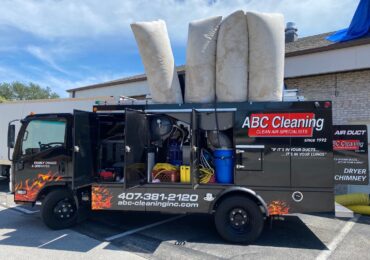
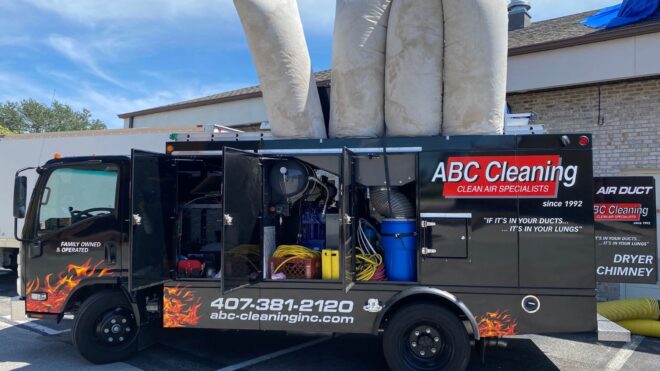
ABC Cleaning Inc. proudly serves Lake Nona and the greater Orlando area with professional HVAC duct maintenance, dryer exhaust services, chimney care, mold prevention treatments, and indoor air quality solutions. Our experienced team helps homeowners maintain cleaner systems, healthier indoor environments, and improved home comfort. Contact ABC Cleaning Inc. today to schedule a professional inspection and learn how our services can help keep your HVAC system operating at its best.
Internal Resources
- https://abc-cleaninginc.com/
- https://abc-cleaninginc.com/blog/#/
- https://abc-cleaninginc.com/air-duct-cleaning/