If you’re searching for what causes chimney leaks Orlando, you’re likely dealing with water stains, musty odors, or visible moisture around your fireplace or chimney. Chimney leaks are one of the most common issues homeowners encounter, especially in Florida’s humid and rainy climate.
The challenge is that water can enter a chimney system in several different ways. Many homeowners assume a leak is coming from one obvious source, but chimney systems have multiple components that work together to keep water out.
When one of those components fails, moisture can begin causing damage to masonry, metal parts, ceilings, walls, and other nearby areas of the home.
Why Chimney Leaks Are Common in Orlando
Central Florida weather creates ideal conditions for moisture-related problems.
Chimneys are exposed to:
- Heavy rainfall
- High humidity
- Strong storms
- Hurricane-season winds
- Year-round weather exposure
Because chimneys sit above the roofline, they often experience more direct weather exposure than many other parts of a home.
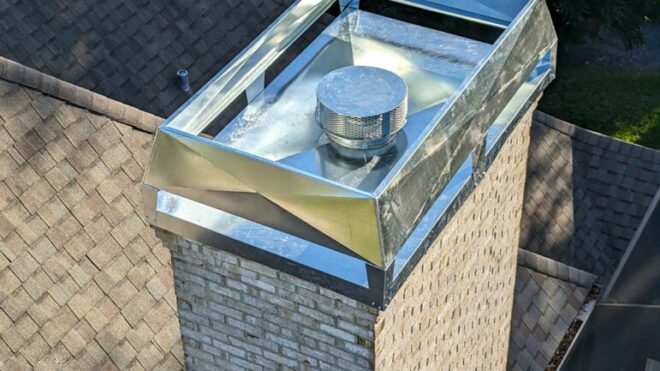
Missing or Damaged Chimney Caps
One of the most common causes of chimney leaks is a missing or damaged chimney cap.
Without a properly functioning cap:
- Rain can enter directly through the flue
- Debris can accumulate
- Wildlife can enter
- Moisture can affect interior components
A chimney cap acts as the first layer of protection against water intrusion.
Even small damage can reduce its effectiveness.
Cracked Chimney Crowns
The chimney crown sits on top of the chimney structure.
Its purpose is to direct water away from vulnerable areas.
Over time, crowns may develop:
- Hairline cracks
- Surface deterioration
- Missing sections
- Weather damage
Once cracks form, water can penetrate deeper into the chimney system.
Ignoring crown damage often leads to larger repair needs later.
Damaged Flashing
Flashing is installed where the chimney meets the roof.
Its job is to create a watertight seal.
However, flashing can become damaged due to:
- Age
- Storm activity
- Corrosion
- Improper installation
When flashing fails, water can enter around the base of the chimney and affect nearby roofing materials.
This is one of the most common sources of chimney-related leaks.
Deteriorating Mortar Joints
Mortar plays a critical role in holding chimney masonry together.
Over time, exposure to moisture can cause mortar to:
- Crack
- Crumble
- Separate
- Wash away
Once deterioration begins, water can enter gaps and accelerate the damage process.
Routine inspections help identify these concerns before major structural repairs become necessary.
Porous Masonry
Brick naturally absorbs some moisture.
As masonry ages, water penetration can become more significant.
Without proper maintenance, bricks may absorb excessive moisture during periods of heavy rain.
Over time, this can contribute to:
- Interior leaks
- Structural deterioration
- Efflorescence
- Masonry damage
Waterproofing treatments are sometimes used to help protect masonry surfaces.
Damaged Chimney Liners
Many homeowners never see the chimney liner, but it plays an important role.
A damaged liner can allow moisture to affect interior portions of the chimney system.
Potential problems include:
- Cracks
- Deterioration
- Separation
- Structural damage
Because liners are hidden from view, professional inspections are often necessary to identify issues.
Signs You May Have a Chimney Leak
Many homeowners first notice symptoms rather than the leak itself.
Common warning signs include:
- Water stains near the fireplace
- Musty odors
- Rusted metal components
- Damp walls or ceilings
- White staining on masonry
- Peeling paint
Any of these signs may indicate moisture intrusion.
Why Small Leaks Become Big Problems
A small leak rarely stays small.
Over time, moisture can affect:
- Masonry
- Metal components
- Drywall
- Roofing materials
- Structural elements
What begins as a minor issue can eventually require significant repairs if left unaddressed.
This is why early detection is so important.
How Professional Inspections Help
Annual inspections can identify moisture concerns before major damage occurs.
Inspectors evaluate:
- Chimney caps
- Crowns
- Flashing
- Masonry condition
- Water intrusion signs
- Structural integrity
Finding problems early often saves homeowners money and frustration.
Preventing Future Chimney Leaks
Several maintenance practices help reduce leak risks.
These include:
- Scheduling annual inspections
- Maintaining chimney caps
- Repairing damaged flashing
- Addressing cracks promptly
- Monitoring masonry condition
Preventive maintenance remains the most effective strategy.
Q&A: Chimney Leaks
What is the most common cause of chimney leaks?
Damaged flashing and missing chimney caps are among the most common causes.
Can rain enter directly through a chimney?
Yes. This often occurs when the chimney cap is damaged or missing.
Do chimney leaks get worse over time?
Almost always. Moisture-related damage typically expands when left untreated.
Can chimney leaks damage walls and ceilings?
Yes. Water can spread beyond the chimney and affect surrounding building materials.
How often should chimneys be inspected for leaks?
Most professionals recommend annual inspections.
Final Thoughts
Understanding what causes chimney leaks Orlando homeowners experience can help prevent costly repairs and long-term damage. Moisture intrusion may originate from damaged caps, flashing, crowns, mortar joints, or other chimney components.
The key is identifying problems early. Regular inspections and timely repairs help protect your chimney, your home, and your investment from Florida’s challenging weather conditions.
About ABC Cleaning, Inc.
ABC Cleaning, Inc. has proudly served Central Florida homeowners for more than 30 years. Our experienced team provides professional chimney inspections, repairs, cap installations, and maintenance services designed to identify and resolve moisture-related issues before they become major problems. If you’ve noticed signs of a chimney leak or want peace of mind before the next storm season, contact ABC Cleaning, Inc. today or visit https://abc-cleaninginc.com/ to schedule your appointment.
Internal Resources
- https://abc-cleaninginc.com/
- https://abc-cleaninginc.com/blog/#/
- https://abc-cleaninginc.com/chimney-repair/