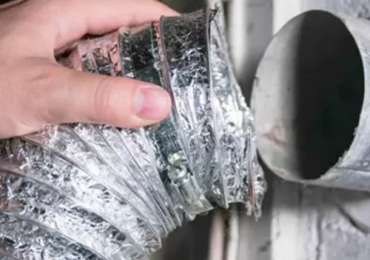
Blocked Dryer Exhaust Line Winter Park is a problem that many homeowners do not recognize until it begins affecting dryer performance and household safety. While dryers appear to be simple appliances, they rely on proper airflow to remove heat, moisture, and lint from the laundry process. When the exhaust line becomes restricted, the entire system must work harder to perform its job.
According to the U.S. Fire Administration, thousands of residential dryer fires occur annually, and one of the most common causes is failure to remove lint and debris from dryer exhaust systems. Fortunately, homeowners can often identify warning signs before a small issue becomes a major problem. Understanding these indicators can help protect your home, improve efficiency, and extend the life of your appliance.
Why Dryer Exhaust Lines Become Blocked
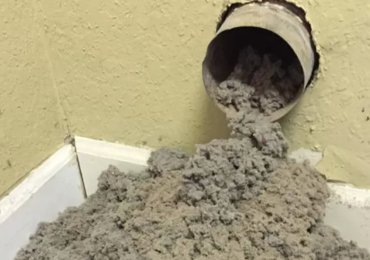
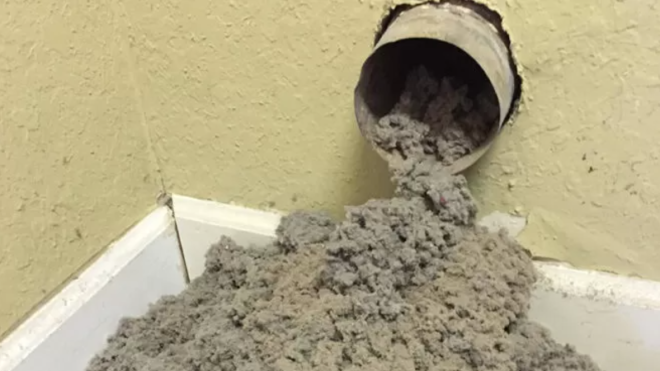
Every load of laundry produces lint. Although the lint trap captures a significant portion of it, some particles still travel through the exhaust line.
Over time, lint can accumulate inside the duct. Additionally, homeowners may experience blockages caused by:
- Crushed exhaust ducts
- Animal nests
- Outdoor debris
- Excessive moisture buildup
- Improper installation
- Damaged duct sections
As these materials accumulate, airflow becomes restricted and dryer performance begins to decline.
Clothes Take Longer to Dry
One of the earliest warning signs involves longer drying times.
If clothing that once dried in a single cycle now requires two or three cycles, airflow restrictions may be preventing proper moisture removal.
When the exhaust line is partially blocked, hot air cannot exit efficiently. As a result, moisture remains trapped inside the dryer longer than normal.
Many homeowners mistakenly assume their appliance is failing when the actual problem lies within the exhaust system.
The Dryer Feels Extremely Hot
A dryer naturally generates heat. However, excessive heat should never be ignored.
Signs of overheating include:
- Hot exterior surfaces
- Excessively warm laundry rooms
- Burning odors
- Hot clothing immediately after a cycle
When airflow becomes restricted, heat accumulates inside the system instead of being expelled outdoors. Consequently, the appliance experiences greater stress and increased safety risks.
Burning Smells During Operation
A burning odor is one of the most serious warning signs.
Lint is highly combustible. When excessive lint accumulates near heating elements or within restricted airflow pathways, temperatures can rise significantly.
If you notice:
- Burning smells
- Scorched odors
- Unusual smoke
- Persistent hot air odors
stop using the dryer and schedule an inspection as soon as possible.
Ignoring these warning signs can increase the risk of fire.
Excessive Lint Around the Dryer
Take a close look behind and around your appliance.
Lint accumulation near the dryer may indicate that airflow is not moving properly through the exhaust line.
Common locations include:
- Behind the appliance
- Around the lint trap
- Near wall connections
- Around the outdoor exhaust opening
While some lint is normal, excessive buildup often signals an underlying airflow problem.
Higher Utility Bills
A blocked exhaust line can significantly affect energy efficiency.
When the dryer struggles to remove moisture, it must operate longer to achieve the desired results. Consequently, each load consumes more electricity or gas.
Over time, homeowners may notice rising utility bills without realizing the dryer system is contributing to the increase.
Maintaining proper airflow helps appliances operate more efficiently and can reduce unnecessary energy consumption.
Moisture Problems in the Laundry Room
Dryers are designed to remove moisture from clothing and direct it outdoors.
When airflow becomes restricted, excess moisture may remain inside the home.
You may notice:
- Condensation on windows
- Damp laundry room walls
- Increased humidity
- Musty odors
Florida’s humid climate already places extra moisture demands on homes. Therefore, any additional humidity from a blocked exhaust system should be addressed quickly.
The Outdoor Exhaust Hood Shows Little Airflow
An easy way to check your system involves observing the outdoor exhaust hood while the dryer is operating.
A properly functioning system should produce strong airflow.
Warning signs include:
- Weak airflow
- Little movement of the exhaust flap
- Visible lint accumulation
- Debris near the outlet
Restricted airflow at the exterior outlet often indicates a blockage somewhere within the system.
The Dryer Shuts Off Unexpectedly
Many modern dryers contain safety sensors designed to prevent overheating.
When temperatures become excessive, these safety mechanisms may automatically shut the dryer down.
If your dryer:
- Stops mid-cycle
- Displays overheating warnings
- Frequently resets
- Experiences inconsistent operation
the exhaust system should be inspected promptly.
Excessive Heat in the Laundry Room
Another common indicator is a noticeably hotter laundry area.
Blocked exhaust lines trap heat inside the appliance and surrounding space. As a result, laundry rooms may become uncomfortably warm during operation.
If the room temperature rises dramatically whenever the dryer is running, airflow restrictions may be preventing proper ventilation.
Animals and Outdoor Blockages
Florida homeowners occasionally encounter wildlife-related exhaust problems.
Birds, rodents, and insects may attempt to enter outdoor exhaust openings. In some cases, nests can form inside the vent line.
Other outdoor obstructions include:
- Leaves
- Dirt
- Storm debris
- Plant growth
Regular inspections help ensure that outdoor exhaust pathways remain clear and functional.
Benefits of Professional Dryer Exhaust Maintenance
Routine maintenance offers several important advantages.
Benefits may include:
- Improved dryer efficiency
- Faster drying times
- Reduced fire risks
- Lower energy consumption
- Extended appliance lifespan
Professional service can also identify hidden problems that homeowners may not notice during routine use.
Why Winter Park Homeowners Should Be Proactive
Many homeowners assume dryer systems require little maintenance. However, the combination of daily use, humidity, lint accumulation, and Florida weather conditions can create problems over time.
Scheduling routine inspections helps identify developing issues before they become expensive repairs or safety hazards.
For families who run multiple loads of laundry each week, preventive maintenance is especially important.
Frequently Asked Questions About Blocked Dryer Exhaust Line Winter Park
- How do I know if my dryer exhaust line is blocked?
A. Common signs include longer drying times, excessive heat, burning odors, increased humidity, and weak airflow from the outdoor exhaust hood. - Can a blocked dryer exhaust line cause a fire?
A. Yes. Lint is highly combustible, and restricted airflow can create excessive heat that increases fire risks. - How often should a dryer exhaust system be cleaned?
A. Most homes benefit from professional inspection and maintenance at least once per year, although larger households may require more frequent service. - Why is my laundry room becoming hot when the dryer runs?
A. Excessive heat often indicates restricted airflow that prevents hot air from properly exiting the exhaust system. - Can a blocked exhaust line increase utility bills?
A. Yes. Restricted airflow forces the dryer to run longer cycles, increasing energy consumption. - Is weak airflow outside a warning sign?
A. Absolutely. Weak airflow at the outdoor exhaust hood often indicates a blockage somewhere within the exhaust line. - Can animals block dryer exhaust systems?
A. Yes. Birds, rodents, insects, and nesting materials can obstruct airflow and create safety concerns. - Should I stop using my dryer if I smell something burning?
A. Yes. A burning smell should be investigated immediately, as it may indicate lint accumulation or overheating within the system.
Protect Your Home With Routine Dryer Exhaust Maintenance
A blocked dryer exhaust line may seem like a minor inconvenience at first. However, longer drying times, overheating, excessive humidity, and burning odors can all indicate a more serious problem developing within the system. Addressing these warning signs early can improve safety, increase efficiency, and help extend the life of your appliance.
ABC Cleaning Inc. proudly provides professional dryer exhaust maintenance, HVAC cleaning, chimney services, and indoor air quality solutions throughout Winter Park and the greater Orlando area. Our experienced team helps homeowners improve safety, reduce fire risks, and maintain efficient home systems. Contact ABC Cleaning Inc. today to schedule an inspection and keep your dryer operating safely and effectively.
Internal Resources
- https://abc-cleaninginc.com/
- https://abc-cleaninginc.com/blog/#/
- https://abc-cleaninginc.com/contact-us/