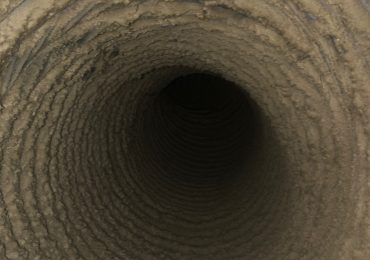

Indoor Air Quality Kissimmee is a growing concern for homeowners throughout Central Florida. While many people focus on outdoor weather conditions, the air inside a home can have an even greater impact on comfort and well-being. Florida’s climate presents unique challenges because high humidity levels persist throughout much of the year. As a result, homeowners often struggle with excess moisture, stale air, and indoor contaminants.
According to the U.S. Environmental Protection Agency (EPA), maintaining indoor humidity between 30% and 50% can help minimize conditions that support mold growth and other indoor air quality concerns. Unfortunately, Florida’s climate frequently pushes indoor humidity above these recommended levels. Understanding how moisture affects your home can help you take proactive steps to create a cleaner and healthier indoor environment.
Why Florida Homes Experience High Humidity
Humidity refers to the amount of moisture present in the air. Because Florida is surrounded by water and experiences warm temperatures for much of the year, humidity levels often remain elevated.
Several factors contribute to high indoor humidity, including:
- Frequent rainfall
- High outdoor moisture levels
- Long cooling seasons
- Air infiltration through doors and windows
- Poor ventilation
Even when your air conditioner is running, excess humidity can still become a problem if the HVAC system is not operating efficiently.
How Humidity Impacts Indoor Air Quality
Many homeowners think of humidity as a comfort issue. While comfort is certainly affected, moisture can also influence indoor air quality in several important ways.
When humidity levels become too high, the indoor environment becomes more favorable for contaminants that may negatively impact air quality.
Common issues associated with excess humidity include:
- Musty odors
- Mold growth
- Dust mite activity
- Increased airborne particles
- Reduced HVAC efficiency
Consequently, maintaining proper humidity levels becomes an important part of protecting indoor air quality.
Mold and Mildew Thrive in Moist Conditions
One of the most common concerns associated with Florida humidity is mold growth.
Mold spores naturally exist in most environments. However, they require moisture to grow and spread. When humidity levels remain elevated for extended periods, mold may begin developing on:
- Walls
- Ceilings
- Air vents
- Carpeting
- Insulation
- HVAC components
Once mold becomes established, spores can circulate throughout the home and contribute to poor indoor air conditions.
This is one reason why moisture control remains an important component of maintaining a healthy living environment.
Dust Mites Prefer Humid Environments
Dust mites are another common indoor air quality concern.
These microscopic organisms thrive in warm and humid conditions. Florida’s climate creates an ideal environment for their survival, particularly when indoor humidity remains high.
Dust mites commonly inhabit:
- Bedding
- Upholstered furniture
- Carpets
- Curtains
- Mattresses
Although invisible to the naked eye, they can contribute to indoor allergen levels and reduce overall air quality.
Unpleasant Odors Become More Noticeable
Excess moisture often leads to persistent odors.
Many homeowners notice:
- Musty smells
- Stale air
- Damp odors
- Lingering household odors
Humidity allows odor-causing particles to remain suspended in the air longer. Additionally, moisture can contribute to conditions that allow mildew and bacteria to develop.
If your home consistently smells damp despite regular cleaning, humidity may be a contributing factor.
HVAC Systems Work Harder in Humid Conditions
Florida air conditioners perform two important jobs.
First, they cool the air.
Second, they remove moisture from the indoor environment.
When humidity levels become excessive, HVAC systems must work harder to achieve both objectives. Consequently, homeowners may experience:
- Longer cooling cycles
- Increased energy consumption
- Reduced comfort
- Greater wear on equipment
Maintaining clean HVAC components and proper airflow can help support better humidity control.
Condensation Can Signal Moisture Problems
Condensation is often one of the first visible signs of excessive humidity.
You may notice moisture accumulating on:
- Windows
- Glass doors
- Air vent covers
- Pipes
- Mirrors
While occasional condensation may not be cause for concern, persistent moisture can indicate elevated indoor humidity levels.
Over time, these conditions may contribute to material deterioration and indoor air quality concerns.
Airborne Contaminants May Circulate More Easily
Humidity affects how particles behave indoors.
When moisture levels are high, contaminants such as dust, pollen, and other particles may remain suspended in the air longer. As a result, they can continue circulating through the home’s HVAC system.
This ongoing circulation may contribute to:
- Dust accumulation
- Reduced air freshness
- Increased cleaning requirements
- Lower overall indoor comfort
Managing humidity can help improve the overall indoor environment.
Signs Your Home Has Excess Humidity
Homeowners should watch for several common warning signs.
These include:
- Sticky indoor air
- Condensation on windows
- Musty odors
- Mold growth
- Damp surfaces
- Increased allergy symptoms
- Visible moisture buildup
If you notice multiple signs, it may be beneficial to evaluate your home’s humidity levels.
Ways to Improve Indoor Air Quality
Fortunately, there are several ways to improve indoor air quality while reducing excess moisture.
Helpful strategies include:
Maintain Your HVAC System
Routine maintenance helps ensure proper airflow and moisture removal.
Replace Air Filters Regularly
Clean filters support better airflow and help reduce airborne contaminants.
Address Water Leaks Quickly
Even small leaks can contribute to elevated humidity levels.
Improve Ventilation
Proper airflow helps remove excess moisture from the home.
Monitor Indoor Humidity
Using a humidity monitor can help you identify problems before they become severe.
Consider Professional Indoor Air Quality Services
A professional assessment can identify moisture-related concerns and recommend effective solutions.
Why Indoor Air Quality Matters in Kissimmee
Kissimmee residents experience many of the same climate challenges found throughout Central Florida.
Warm temperatures, seasonal storms, and high humidity create conditions that can affect indoor comfort and air quality year-round.
Because people spend so much time indoors, improving indoor air quality can contribute to a cleaner and more enjoyable living environment.
Proactive maintenance often helps homeowners avoid larger problems while supporting HVAC efficiency and indoor comfort.
Frequently Asked Questions About Indoor Air Quality Kissimmee
- What humidity level is best for indoor air quality?
A. Most experts recommend maintaining indoor humidity between 30% and 50% to help minimize mold growth and indoor contaminants. - Can high humidity affect indoor air quality?
A. Yes. Excess humidity can contribute to mold growth, dust mite activity, unpleasant odors, and reduced air freshness. - Why does my home smell musty during the summer?
A. Florida’s humidity often creates conditions that allow moisture and mildew-related odors to develop indoors. - Can humidity make allergies worse?
A. High humidity can support dust mites and mold growth, both of which may contribute to indoor allergen levels. - How can I tell if my home has too much humidity?
A. Common signs include condensation, sticky air, musty odors, mold growth, and persistent dampness. - Does my air conditioner remove humidity?
A. Yes. Air conditioners help remove moisture while cooling the home, although excessive humidity can reduce efficiency. - Can poor indoor air quality affect comfort?
A. Absolutely. Poor indoor air quality often contributes to stale air, odors, and reduced overall comfort. - Should I have my HVAC system inspected if humidity remains high?
A. Yes. An HVAC inspection can help identify airflow or moisture-control issues affecting indoor conditions.
Take Control of Indoor Air Quality Before Humidity Creates Bigger Problems
Florida’s humid climate presents ongoing challenges for homeowners. Excess moisture can affect comfort, encourage contaminants, and reduce overall indoor air quality. By understanding the warning signs and taking proactive measures, homeowners can help create a cleaner, healthier, and more comfortable indoor environment.
ABC Cleaning Inc. proudly serves Kissimmee and the surrounding Orlando area with professional indoor air quality solutions, HVAC cleaning services, dryer exhaust maintenance, chimney services, and mold prevention treatments. Our experienced team is committed to helping homeowners improve comfort, reduce indoor contaminants, and maintain healthier living spaces. Contact ABC Cleaning Inc. today to learn how our services can help improve your home’s indoor environment.
Internal Resources
- https://abc-cleaninginc.com/
- https://abc-cleaninginc.com/blog/#/
- https://abc-cleaninginc.com/mold-mildew-preventative-treatment/