Household Pollutants St. Cloud residents encounter every day are often invisible to the naked eye. Many homeowners assume outdoor pollution presents the greatest threat to air quality. However, studies have consistently shown that indoor environments can contain significant levels of airborne contaminants. Since most people spend the majority of their time indoors, understanding common household pollutants is an important step toward creating a cleaner and more comfortable living environment.
According to the Environmental Protection Agency, indoor air pollution can sometimes exceed outdoor pollution levels. Everyday activities, household products, pets, and even normal living habits contribute to the accumulation of airborne particles inside homes. Fortunately, awareness and proactive maintenance can help reduce many of these pollutants.
Why Indoor Air Quality Matters
Indoor air quality affects every room in your home.
The air circulating through your living spaces can contain:
- Dust
- Pollen
- Pet dander
- Mold spores
- Chemical residues
- Microscopic particles
When these contaminants accumulate, they may contribute to reduced indoor comfort and increased cleaning requirements.
Because HVAC systems circulate air throughout the home, pollutants often move from one room to another.
Dust Is One of the Most Common Household Pollutants
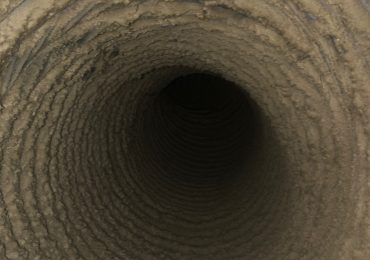
Dust is present in virtually every home.
Many people assume dust consists only of dirt. In reality, household dust often contains:
- Skin cells
- Fabric fibers
- Soil particles
- Pollen
- Pet dander
- Microscopic debris
As family members walk through the home, these particles become airborne and continue circulating through indoor spaces.
Over time, dust accumulation can affect both cleanliness and indoor comfort.
Pollen Frequently Finds Its Way Indoors
Florida’s long growing season means pollen remains present throughout much of the year.
Even when windows remain closed, pollen can enter homes through:
- Open doors
- Clothing
- Shoes
- Pets
- Packages and deliveries
Once indoors, pollen may settle on surfaces or become distributed through HVAC systems.
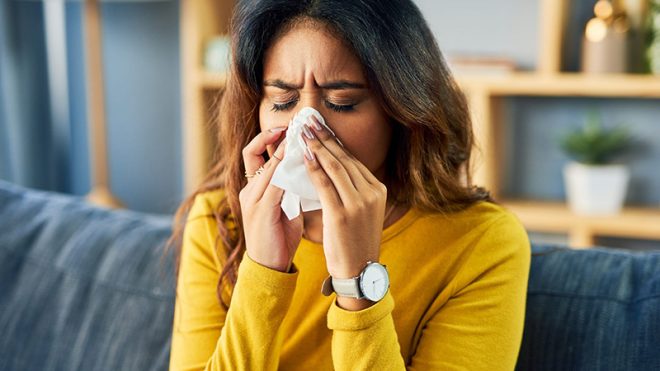
This is one reason many allergy sufferers continue experiencing symptoms indoors.
Pet Dander Can Circulate Continuously
Pet owners often face unique indoor air quality challenges.
Pet dander consists of microscopic skin particles shed by animals.
These particles can:
- Become airborne easily
- Settle in carpets
- Accumulate on furniture
- Enter HVAC systems
Because dander is lightweight, it may continue circulating throughout the home for extended periods.
Homes with multiple pets often experience greater accumulation levels.
Mold Spores Thrive in Florida’s Climate
Humidity plays a major role in indoor air quality.
Florida’s climate creates favorable conditions for moisture-related concerns.
When moisture accumulates, mold spores may develop in areas such as:
- Bathrooms
- Laundry rooms
- Attics
- HVAC components
- Around windows
Once spores become airborne, they can circulate throughout the home.
Managing moisture remains one of the most effective ways to improve indoor air quality.
Cleaning Products May Release Airborne Chemicals
Many common household products release airborne compounds during use.
Examples include:
- Cleaning sprays
- Air fresheners
- Paint products
- Solvents
- Disinfectants
Although these products serve important purposes, proper ventilation helps minimize the concentration of airborne residues.
Using products according to manufacturer instructions is always recommended.
Cooking Can Generate Indoor Pollutants
Cooking is another common source of indoor contaminants.
Activities such as:
- Frying foods
- Grilling indoors
- Baking
- Using gas appliances
can release particles into the air.
Kitchen ventilation systems help reduce the accumulation of these pollutants and improve indoor air circulation.
Dust Mites Are Common in Many Homes
Dust mites are microscopic organisms that thrive in warm environments.
Common locations include:
- Bedding
- Mattresses
- Upholstered furniture
- Carpets
Although invisible without magnification, dust mites contribute to household allergen levels.
Regular cleaning and humidity control can help reduce favorable conditions for their growth.
HVAC Systems Can Redistribute Pollutants
Your HVAC system moves air throughout the home every day.
While filters capture many contaminants, some particles may continue circulating.
Potential pollutants include:
- Dust
- Pollen
- Pet dander
- Mold spores
Routine HVAC maintenance helps support cleaner airflow and system performance.
Smoke Residue Can Linger Indoors
Smoke particles can remain in a home long after their original source is gone.
Sources may include:
- Tobacco products
- Fireplaces
- Candles
- Cooking activities
These particles often settle on surfaces and may later become airborne again.
Proper ventilation helps reduce accumulation.
Construction Materials Can Create Airborne Particles
Home renovations often generate significant amounts of fine dust.
Common sources include:
- Drywall
- Wood cutting
- Flooring installation
- Insulation work
Without proper containment, these particles can enter HVAC systems and remain inside the home for extended periods.
Signs Your Home May Have Indoor Air Quality Concerns
Homeowners should watch for several common warning signs.
These include:
- Excessive dust buildup
- Persistent odors
- Increased allergy symptoms
- Frequent cleaning requirements
- Visible dust around air vents
- Uneven airflow
Recognizing these indicators early can help homeowners address potential concerns before they worsen.
Improving Indoor Air Quality Starts With Awareness
Many household pollutants are unavoidable.
However, homeowners can take practical steps to reduce their impact.
Helpful strategies include:
Replace HVAC Filters Regularly
Clean filters help capture airborne particles before they circulate throughout the home.
Control Indoor Humidity
Maintaining humidity levels between 30% and 50% helps discourage mold growth and dust mite activity.
Clean Frequently
Regular vacuuming and dusting help remove contaminants before they become airborne.
Use Proper Ventilation
Exhaust fans and kitchen ventilation systems help remove airborne particles generated by cooking and household activities.
Schedule HVAC Maintenance
Routine maintenance supports airflow and helps identify issues that may affect indoor air quality.
Why Indoor Air Quality Matters in St. Cloud
St. Cloud homeowners face many of the same environmental conditions found throughout Central Florida.
These include:
- Extended pollen seasons
- High humidity
- Frequent HVAC operation
- Seasonal storms
- Construction growth
Together, these factors can contribute to increased indoor pollutant levels.
Being proactive helps homeowners maintain cleaner and more comfortable living environments.
Benefits of Reducing Household Pollutants
Improving indoor air quality may provide several advantages.
Potential benefits include:
- Reduced dust accumulation
- Cleaner indoor environments
- Improved comfort
- Better airflow
- Less visible debris around air vents
While no home can eliminate all airborne contaminants, reducing exposure can make a noticeable difference.
Frequently Asked Questions About Household Pollutants St. Cloud
- What are the most common household pollutants?
A. Common household pollutants include dust, pollen, pet dander, mold spores, cleaning product residues, and microscopic airborne particles. - Can indoor air be more polluted than outdoor air?
A. Yes. Studies have shown that indoor environments can sometimes contain higher concentrations of certain pollutants than outdoor areas. - Does dust contain more than dirt?
A. Absolutely. Household dust often includes skin cells, fabric fibers, pollen, pet dander, and other microscopic materials. - Why does pollen continue affecting me indoors?
A. Pollen enters homes through doors, windows, clothing, shoes, and pets, then continues circulating indoors. - Can pets affect indoor air quality?
A. Yes. Pet dander and hair contribute to airborne particles that may accumulate throughout the home. - How does humidity affect indoor air quality?
A. Excess humidity can encourage mold growth and create conditions favorable to dust mites. - Can HVAC systems spread household pollutants?
A. HVAC systems move air throughout the home and may circulate airborne particles if contaminants are present. - What is the easiest way to improve indoor air quality?
A. Regular cleaning, proper humidity control, HVAC maintenance, and routine filter replacement are excellent starting points.
Take Steps to Reduce Household Pollutants
Many household pollutants are invisible, yet they may circulate through your home every day. Dust, pollen, pet dander, mold spores, and other airborne particles can affect indoor air quality and overall comfort. Understanding where these contaminants originate is the first step toward creating a cleaner indoor environment. With proper maintenance and proactive habits, homeowners can reduce pollutant levels and enjoy healthier living spaces.
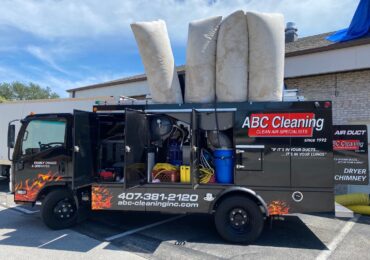
ABC Cleaning Inc. proudly provides professional indoor air quality services, HVAC cleaning, dryer exhaust maintenance, chimney services, and mold prevention treatments throughout St. Cloud and the greater Orlando area. Our experienced team helps homeowners improve airflow, reduce indoor contaminants, and maintain cleaner, more comfortable homes. Contact ABC Cleaning Inc. today to schedule an inspection and learn how our services can support better indoor air quality.
Internal Resources
- https://abc-cleaninginc.com/
- https://abc-cleaninginc.com/blog/#/
- https://abc-cleaninginc.com/mold-mildew-preventative-treatment/