Duct Ventilation System Hunters Creek homeowners depend on every day often remains out of sight and out of mind. Because ductwork is hidden behind walls, ceilings, and floors, most people rarely think about what may be accumulating inside it. However, every time your HVAC system operates, air travels through this network carrying microscopic particles from throughout your home.
Studies have shown that residential environments generate significant amounts of dust each year. While much of that dust settles on furniture and flooring, a portion enters the HVAC system through return air vents. Over time, various materials can accumulate inside the duct network, potentially affecting airflow, indoor air quality, and system performance. Understanding what builds up inside duct systems helps homeowners appreciate the value of routine inspections and maintenance.
How Air Moves Through a Duct Ventilation System
Your HVAC system continuously circulates air throughout the home.
The process involves:
- Pulling air through return air vents.
- Conditioning the air.
- Moving air through ductwork.
- Delivering air through supply air vents.
Along with the air come tiny particles that exist throughout the home.
Some particles are captured by air filters. Others settle inside the system over time.
Dust Is the Most Common Accumulation
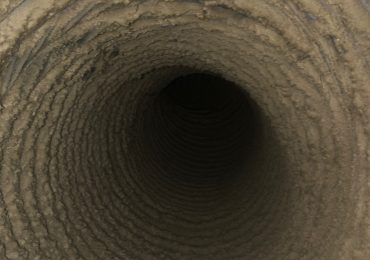
Dust is typically the largest contributor to buildup within duct systems.
Household dust may contain:
- Skin cells
- Fabric fibers
- Soil particles
- Pet dander
- Pollen
- Microscopic debris
Because dust is lightweight, it can easily enter return air vents and travel through the system.
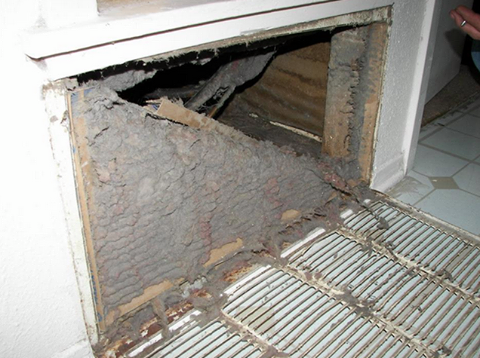
Over time, layers of dust may accumulate along duct surfaces.
Pet Hair and Dander Frequently Collect
Homes with pets often experience faster accumulation rates.
Dogs and cats shed:
- Fur
- Hair
- Skin particles
- Outdoor debris carried indoors
These materials eventually find their way into the HVAC system.
During inspections, technicians commonly discover pet-related buildup throughout duct networks, especially in homes with multiple animals.
Pollen Continues Circulating Indoors
Florida’s long growing season means pollen remains present throughout much of the year.
Pollen enters homes through:
- Open doors
- Open windows
- Clothing
- Shoes
- Pets
Once inside, pollen can become airborne and enter HVAC systems.
Although filters capture a portion of these particles, some continue traveling through the duct network and eventually settle inside the system.
Construction Dust Can Remain for Years
Many homeowners are surprised to learn that renovation debris can remain inside duct systems long after projects are completed.
Common construction contaminants include:
- Drywall dust
- Sawdust
- Paint residue
- Flooring debris
- Insulation particles
These materials are extremely fine and often travel deep into duct systems before settling.
Even homes that appear clean may contain hidden construction debris within HVAC components.
Insect Debris Is More Common Than Expected
Florida’s climate supports a wide variety of insects.
Over time, duct inspections occasionally reveal:
- Insect fragments
- Small nesting materials
- Debris near vent openings
While these accumulations are often minor, they illustrate how contaminants can gradually enter HVAC systems from multiple sources.
Mold Spores Can Enter the System
Mold spores naturally exist in most environments.
When humidity and moisture levels increase, spores may become more active.
Potential sources include:
- Damp areas
- Condensation
- Moisture intrusion
- Humid environments
While mold growth requires moisture, spores themselves can travel through the HVAC system and settle inside ductwork.
This is one reason humidity control remains important in Florida homes.
Carpet Fibers and Fabric Particles Contribute to Buildup
Everyday household activities generate microscopic fibers.
Sources include:
- Carpets
- Rugs
- Upholstery
- Curtains
- Clothing
As people move throughout the home, these particles become airborne and may eventually enter return air vents.
Over time, they contribute to normal accumulation within the duct network.
Outdoor Contaminants Also Enter the Home
Many homeowners assume duct contamination originates only indoors.
However, outdoor sources contribute as well.
Examples include:
- Soil
- Plant material
- Pollen
- Dust from nearby construction
- Vehicle-related particles
Every time a door opens, outdoor contaminants have an opportunity to enter the home and eventually reach the HVAC system.
Air Filters Help but Have Limits
Air filters serve as the first line of defense against airborne contaminants.
They help capture:
- Dust
- Pollen
- Pet dander
- Airborne debris
However, no filter captures every particle.
Some microscopic materials bypass filtration and settle inside various HVAC components over time.
This gradual accumulation is normal, which is why periodic inspections remain important.
Why Buildup Matters
Small amounts of accumulation are normal.
However, excessive buildup can contribute to:
- Reduced airflow
- Increased dust circulation
- Greater HVAC workload
- Less consistent temperatures
When airflow becomes restricted, HVAC equipment often works harder to maintain comfort throughout the home.
Routine maintenance helps identify these conditions before they become more significant.
Warning Signs Your Duct Ventilation System May Need Attention
Several indicators may suggest accumulation is affecting the system.
Watch for:
- Dust collecting quickly on furniture
- Visible dust around air vents
- Reduced airflow
- Uneven room temperatures
- Increased allergy complaints
- Frequent filter replacement needs
While these signs do not always indicate serious issues, they often justify a professional inspection.
Hunters Creek Homes Face Unique Environmental Factors
Hunters Creek homeowners experience many of the same environmental conditions found throughout Central Florida.
These include:
- Year-round HVAC usage
- High humidity
- Frequent pollen exposure
- Ongoing residential growth
- Seasonal storms
Together, these factors contribute to the gradual accumulation of airborne contaminants inside HVAC systems.
Because cooling systems operate throughout much of the year, maintaining airflow becomes especially important.
Benefits of Routine Duct Ventilation System Maintenance
Homeowners who schedule regular maintenance often experience several advantages.
Potential benefits include:
- Improved airflow
- Better HVAC performance
- Reduced dust circulation
- More consistent temperatures
- Enhanced indoor comfort
Routine inspections also help identify developing issues before they become larger concerns.
Airflow Supports Overall Home Comfort
Many comfort complaints are directly related to airflow.
Examples include:
- Rooms that never cool properly
- Uneven temperatures
- Weak airflow from air vents
- Extended HVAC runtime
Because the duct network serves as the delivery system for conditioned air, maintaining its performance helps support comfort throughout the home.
Why Preventive Maintenance Is Worth Considering
Waiting until airflow problems become severe often results in reduced comfort and higher operating demands on HVAC equipment.
Preventive maintenance allows homeowners to:
- Address concerns early
- Improve airflow
- Support efficiency
- Maintain indoor comfort
This proactive approach often proves more effective than reacting after problems develop.
Frequently Asked Questions About Duct Ventilation System Hunters Creek
- What is the most common material found inside duct systems?
A. Dust is typically the most common accumulation found during inspections, often mixed with fibers, pollen, and other airborne particles. - Can pet hair enter HVAC ductwork?
A. Yes. Pet hair and dander frequently enter return air vents and may accumulate throughout the system. - Does construction dust remain inside duct systems?
A. Yes. Fine particles from renovations can settle inside ductwork and remain there long after projects are completed. - Can pollen accumulate inside HVAC systems?
A. Absolutely. Pollen enters homes through multiple pathways and may eventually settle within HVAC components. - Do air filters stop all contaminants?
A. No. Air filters capture many particles, but some microscopic materials still enter the system over time. - How can I tell if my duct system contains excessive buildup?
A. Common signs include excessive dust, reduced airflow, uneven temperatures, and visible debris around air vents. - Does buildup affect HVAC performance?
A. Excessive accumulation may restrict airflow and increase workload on HVAC equipment. - Is duct system maintenance beneficial in Florida?
A. Florida’s humidity, pollen exposure, and nearly year-round HVAC usage make routine maintenance valuable for many homeowners.
Know What Is Moving Through Your Home’s Airflow System
Although most homeowners never see inside their duct ventilation system, it plays an important role in daily comfort. Dust, pollen, pet dander, construction debris, and other contaminants can gradually accumulate over time. Understanding what builds up inside the system helps homeowners appreciate the value of routine maintenance and proactive inspections. Maintaining cleaner airflow pathways supports HVAC performance and contributes to a more comfortable indoor environment.
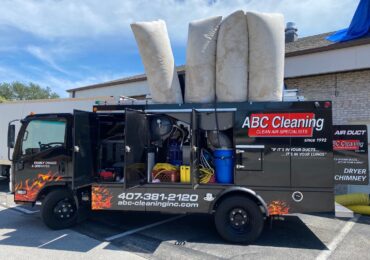
ABC Cleaning Inc. proudly provides professional duct ventilation system maintenance, HVAC cleaning, dryer exhaust services, chimney care, mold prevention treatments, and indoor air quality solutions throughout Hunters Creek and the greater Orlando area. Our experienced team helps homeowners improve airflow, reduce dust accumulation, and maintain healthier indoor environments. Contact ABC Cleaning Inc. today to schedule an inspection and keep your HVAC system operating efficiently year-round.
Internal Resources
- https://abc-cleaninginc.com/
- https://abc-cleaninginc.com/blog/#/
- https://abc-cleaninginc.com/air-duct-cleaning/