Restricted Dryer Airflow St. Cloud homeowners experience is often an overlooked cause of rising energy bills. Many people assume higher utility costs are caused by air conditioning usage, seasonal rate increases, or aging appliances. While those factors can certainly play a role, dryer performance also affects household energy consumption. When airflow becomes restricted, dryers must work significantly harder to perform the same job.
A properly functioning dryer relies on strong airflow to remove heat, moisture, and lint during each cycle. When that airflow is reduced, drying times increase, energy usage rises, and appliance wear accelerates. Understanding how airflow affects dryer performance can help homeowners improve efficiency while reducing unnecessary operating costs.
How Dryer Airflow Works
Every dryer depends on airflow to function properly.
During operation, the dryer:
- Produces heat.
- Pulls air through the appliance.
- Removes moisture from clothing.
- Pushes warm, moist air through the exhaust system.
- Vents that air outdoors.
When airflow remains unrestricted, moisture exits efficiently and clothes dry more quickly.
However, even minor restrictions can affect performance.
Why Airflow Matters
Airflow serves several important purposes.
It helps:
- Remove moisture
- Regulate temperatures
- Support efficient drying
- Reduce operating time
- Protect dryer components
Without proper airflow, heat and moisture remain trapped within the system.
As a result, the dryer must run longer to achieve the same results.
Lint Is the Most Common Cause of Airflow Restrictions
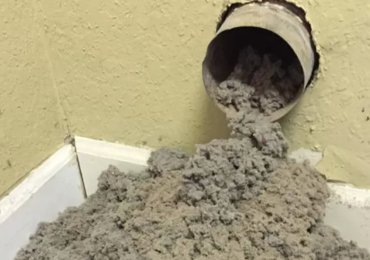
Every load of laundry generates lint.
Although the lint screen captures much of it, some particles bypass the filter.
Over time, lint accumulates inside:
- Exhaust ducts
- Vent connectors
- Exterior vent hoods
- Duct elbows
As buildup increases, airflow gradually decreases.
Because the process occurs slowly, many homeowners do not notice the restriction until drying performance begins to suffer.
Longer Drying Cycles Increase Energy Consumption
One of the most direct consequences of restricted airflow is extended drying time.
For example, a load that once required 40 minutes may eventually require:
- 60 minutes
- 80 minutes
- Multiple drying cycles
Every additional minute increases energy consumption.
Over weeks and months, these extra operating times can significantly affect utility bills.
Multiple Drying Cycles Compound the Problem
Many homeowners respond to damp clothing by simply restarting the dryer.
While convenient, this solution increases:
- Electricity usage
- Appliance wear
- Operating costs
Repeated cycles often mask the underlying airflow problem rather than solving it.
Addressing restrictions helps restore normal drying performance.
Restricted Airflow Creates Excess Heat
Dryers generate substantial heat during operation.
When airflow decreases, heat cannot escape efficiently.
Consequently:
- Internal temperatures rise
- Components work harder
- Safety risks increase
- Efficiency declines
The dryer essentially expends more energy while accomplishing less work.
Higher Utility Bills May Develop Gradually
Unlike a sudden equipment failure, airflow restrictions usually develop slowly.
Homeowners may notice:
- Incremental utility bill increases
- Longer drying times
- Reduced airflow outdoors
- Hotter laundry rooms
Because these changes occur gradually, they are often overlooked.
Many families do not recognize the connection between airflow and energy costs until performance has significantly declined.
Outdoor Vent Hoods Reveal Valuable Clues
The exterior vent hood can provide insight into airflow performance.
A properly functioning system should produce:
- Strong airflow
- Consistent vent flap movement
- Efficient moisture removal
Warning signs include:
- Weak airflow
- Limited flap movement
- Visible lint buildup
- Debris accumulation
These symptoms often indicate restrictions somewhere within the exhaust system.
Appliance Wear Increases With Longer Runtime
Dryers are designed to operate within specific performance parameters.
When cycles become longer due to airflow restrictions, components experience additional stress.
Potential consequences include:
- Increased motor wear
- Greater heating element strain
- More frequent maintenance needs
- Reduced appliance lifespan
Supporting proper airflow helps reduce unnecessary workload.
Florida Humidity Makes Airflow Even More Important
St. Cloud homeowners already contend with elevated humidity levels.
When dryers cannot remove moisture efficiently, homeowners may experience:
- Damp clothing
- Increased indoor humidity
- Extended drying cycles
- Reduced comfort
Proper exhaust airflow becomes especially important in humid climates.
Common Signs of Restricted Dryer Airflow
Several indicators may suggest airflow problems.
Watch for:
- Clothes taking longer to dry
- Hot exterior dryer surfaces
- Excessive lint accumulation
- Burning odors
- Weak outdoor airflow
- Hot laundry rooms
Recognizing these warning signs early helps prevent larger problems.
Why Annual Maintenance Matters
Routine inspections help identify restrictions before they affect performance.
Maintenance may reveal:
- Lint accumulation
- Blockages
- Damaged duct sections
- Improper airflow
Addressing these concerns proactively often improves efficiency and safety.
Energy Efficiency and Dryer Performance Are Connected
Many homeowners focus on HVAC efficiency when attempting to lower utility bills.
However, laundry appliances also consume significant energy.
When airflow improves, homeowners often experience:
- Faster drying times
- Reduced operating costs
- Better appliance performance
- Greater energy efficiency
These improvements can contribute to meaningful savings over time.
Why St. Cloud Homeowners Should Pay Attention
St. Cloud families frequently use dryers throughout the year.
Busy households often process:
- Daily laundry
- Towels
- Bedding
- Sports uniforms
- Work clothing
As dryer usage increases, lint accumulation naturally grows.
Regular inspections help ensure airflow remains strong and efficient.
Benefits of Maintaining Proper Dryer Airflow
Homeowners who maintain unrestricted airflow often experience several advantages.
Potential benefits include:
- Lower energy consumption
- Faster drying cycles
- Improved appliance performance
- Reduced equipment strain
- Enhanced safety
- Greater efficiency
These benefits make dryer airflow maintenance an important part of responsible home ownership.
Frequently Asked Questions About Restricted Dryer Airflow St. Cloud
- What causes restricted dryer airflow?
A. Lint accumulation, debris, damaged ducts, and blocked vent hoods are among the most common causes. - Can restricted airflow increase utility bills?
A. Yes. Longer drying cycles require more energy, increasing operating costs. - Why are my clothes still damp after one cycle?
A. Restricted airflow often prevents moisture from being removed efficiently. - Does cleaning the lint trap solve airflow problems?
A. Not entirely. Lint still enters the exhaust system and may accumulate over time. - What are signs of airflow restrictions?
A. Longer drying times, weak outdoor airflow, overheating, and increased lint buildup are common indicators. - Can restricted airflow damage my dryer?
A. Extended operating times place additional strain on components and may contribute to increased wear. - Why is airflow important in Florida?
A. Florida’s humidity makes moisture removal especially important for efficient dryer operation. - How often should dryer exhaust systems be inspected?
A. Most homes benefit from annual inspections, although larger households may require more frequent evaluations.
Improve Efficiency by Maintaining Proper Dryer Airflow
Restricted airflow affects more than drying performance. It can increase utility costs, reduce appliance efficiency, and place unnecessary strain on your dryer. By addressing airflow restrictions early and scheduling routine maintenance, homeowners can support safer operation, faster drying times, and better overall efficiency.
ABC Cleaning Inc. proudly provides professional dryer exhaust maintenance, HVAC cleaning, air duct system services, chimney care, mold prevention treatments, and indoor air quality solutions throughout St. Cloud and the greater Orlando area. Our experienced team helps homeowners improve airflow, reduce energy waste, and maintain safer, more efficient home systems. Contact ABC Cleaning Inc. today to schedule an inspection and keep your dryer operating at peak performance.
Internal Resources
- https://abc-cleaninginc.com/
- https://abc-cleaninginc.com/blog/#/
- https://abc-cleaninginc.com/dryer-vent-cleaning/