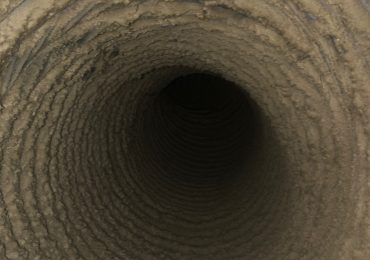
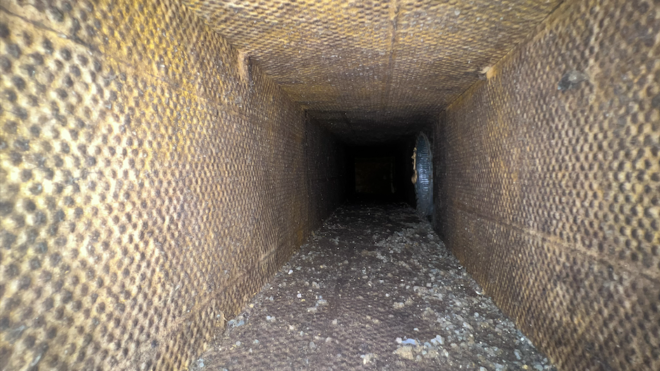
Construction Dust Air Duct Systems Orlando homeowners deal with is one of the most overlooked consequences of home remodeling projects. Whether upgrading a kitchen, replacing flooring, renovating a bathroom, or completing a full-home renovation, construction activities generate large amounts of airborne particles. While contractors often clean visible surfaces after the work is complete, microscopic dust frequently finds its way into HVAC systems where it can remain long after the project ends.
Many homeowners are surprised to learn that a remodeling project completed months or even years earlier may still affect the air circulation system. Understanding how construction dust enters HVAC systems and what impact it can have helps homeowners make informed decisions about post-renovation maintenance.
Why Construction Dust Is Different
Unlike ordinary household dust, construction dust often contains extremely fine particles.
Common sources include:
- Drywall sanding
- Sawdust
- Concrete dust
- Insulation fibers
- Tile cutting
- Flooring installation
Because these particles are so small, they can remain suspended in the air longer than ordinary dust.
This increases the likelihood that they will enter HVAC systems during a renovation project.
How Dust Enters Air Duct Systems
HVAC systems continuously circulate air throughout a home.
During construction projects, airborne dust can be drawn into:
- Return air vents
- Air handlers
- Filters
- Ductwork
Once inside the system, some particles become trapped while others continue circulating.
The longer a project lasts, the greater the opportunity for contaminants to enter the system.
Return Air Vents Often Collect the Most Dust
Return air vents pull air back toward the HVAC equipment.
As construction dust becomes airborne, return vents frequently capture significant amounts of debris.
Common materials found near return vents include:
- Drywall particles
- Sawdust
- Paint residue
- Flooring dust
Because return vents operate continuously, they often serve as the primary entry point for renovation debris.
Drywall Dust Creates Unique Challenges
Drywall dust is one of the most common contaminants generated during remodeling projects.
It is:
- Extremely fine
- Lightweight
- Easily airborne
- Difficult to remove completely
Even after visible cleanup, drywall dust may remain suspended throughout the home and continue entering HVAC components.
This is one reason post-renovation inspections can be beneficial.
Flooring Projects Generate Significant Debris
Floor replacement projects frequently create airborne particles.
Examples include:
- Hardwood sanding dust
- Tile cutting debris
- Carpet fibers
- Laminate installation residue
As workers move throughout the home, these materials may spread into multiple rooms and eventually enter the air circulation system.
Air Filters Capture Some Particles
Air filters play an important role during construction projects.
They help capture many airborne contaminants before they reach sensitive HVAC components.
However, filters have limitations.
Some microscopic particles still pass through filtration systems and settle inside:
- Ductwork
- Air handlers
- Blower components
This gradual accumulation may affect airflow over time.
Construction Dust Can Affect Airflow
Excessive dust buildup may contribute to airflow restrictions.
Potential consequences include:
- Reduced airflow
- Longer HVAC runtime
- Increased equipment workload
- Less consistent temperatures
Maintaining proper airflow becomes increasingly important after major renovation projects.
Newly Renovated Homes Often Need HVAC Attention
Many homeowners focus on cleaning visible surfaces after construction ends.
Common priorities include:
- Floors
- Countertops
- Cabinets
- Windows
However, hidden HVAC components are often overlooked.
Because dust frequently enters the system during renovations, HVAC evaluations can be a valuable part of post-project cleanup.
Orlando’s Climate Adds Additional Challenges
Orlando homeowners already face environmental conditions that affect HVAC systems.
These include:
- High humidity
- Frequent HVAC operation
- Seasonal pollen
- Long cooling seasons
When construction dust is added to the equation, airflow concerns may become more noticeable.
Maintaining a clean airflow pathway supports system performance throughout the year.
Signs Construction Dust May Be Affecting Your HVAC System
Several warning signs may indicate lingering construction debris.
Common indicators include:
- Excessive dust accumulation
- Dust around air vents
- Reduced airflow
- Frequent filter changes
- Uneven temperatures
- Increased HVAC runtime
These symptoms often suggest that renovation-related particles remain within the system.
Why Preventive Maintenance Matters
Waiting until comfort problems develop may allow minor issues to become larger concerns.
Preventive maintenance helps identify:
- Dust accumulation
- Airflow restrictions
- Equipment strain
- Efficiency concerns
Addressing these issues early often improves long-term HVAC performance.
Benefits of Post-Renovation HVAC Maintenance
Homeowners who schedule maintenance after construction projects often experience several advantages.
Potential benefits include:
- Improved airflow
- Reduced dust circulation
- Better indoor comfort
- Enhanced HVAC performance
- Cleaner air vent surfaces
These improvements help homeowners fully enjoy their newly renovated spaces.
Construction Dust and Indoor Air Quality
Indoor air quality often becomes a concern after remodeling projects.
Microscopic particles may continue circulating throughout the home long after visible dust has been removed.
Maintaining HVAC systems helps support:
- Cleaner airflow
- Reduced airborne particles
- Improved indoor comfort
This is particularly important for households with children, pets, or individuals sensitive to airborne contaminants.
Why Orlando Homeowners Should Schedule Inspections After Renovations
Orlando continues to experience substantial home improvement activity.
Whether projects involve:
- Kitchen renovations
- Bathroom remodeling
- Flooring upgrades
- Home additions
construction dust frequently affects HVAC systems.
Scheduling an inspection after major projects helps ensure the air circulation system remains prepared for Florida’s demanding climate.
Frequently Asked Questions About Construction Dust Air Duct Systems Orlando
- Can construction dust enter HVAC systems?
A. Yes. Airborne dust is often drawn into return air vents during remodeling projects. - What type of dust is most common during renovations?
A. Drywall dust, sawdust, flooring debris, and insulation particles are among the most common contaminants. - Does construction dust affect airflow?
A. Excessive dust accumulation may contribute to airflow restrictions and increased HVAC workload. - Can air filters stop all construction dust?
A. No. While filters capture many particles, some microscopic debris may still enter HVAC components. - Why do I still see dust after my renovation is finished?
A. Fine construction particles can remain airborne and continue circulating long after visible cleanup is completed. - Should HVAC systems be inspected after remodeling projects?
A. Many homeowners choose to inspect HVAC systems after major renovations to identify potential dust accumulation. - Can construction dust affect indoor air quality?
A. Yes. Airborne particles may continue circulating through the home if they enter the HVAC system. - Is post-renovation maintenance worthwhile?
A. Many homeowners find that post-project inspections improve comfort and help restore normal airflow.
Protect Your HVAC System After Construction Projects
Construction projects can dramatically improve your home, but they also generate significant amounts of airborne dust. Even after visible cleanup is complete, microscopic particles may remain inside HVAC systems and continue affecting airflow and comfort. Scheduling post-renovation maintenance helps homeowners identify hidden buildup, support system performance, and maintain a cleaner indoor environment.
ABC Cleaning Inc. proudly provides professional air duct system cleaning, HVAC maintenance, dryer exhaust services, chimney care, mold prevention treatments, and indoor air quality solutions throughout Orlando and the surrounding communities. Our experienced team helps homeowners improve airflow, reduce dust accumulation, and maintain healthier indoor environments after remodeling projects. Contact ABC Cleaning Inc. today to schedule an inspection and protect your HVAC system after your next renovation.
Internal Resources
- https://abc-cleaninginc.com/
- https://abc-cleaninginc.com/blog/#/
- https://abc-cleaninginc.com/air-duct-cleaning/