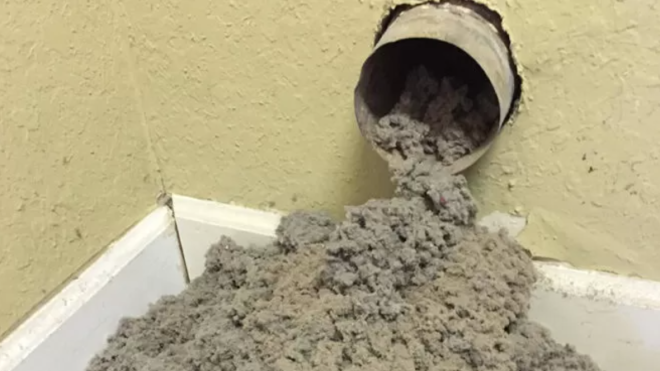
A dryer that takes longer than normal to dry clothes may have restricted airflow, a clogged dryer vent, an overloaded drum, a dirty lint screen, or a mechanical issue. One of the most common causes is lint buildup inside the dryer vent, which reduces airflow and forces the dryer to run longer to remove moisture.
Why Is My Dryer Taking So Long to Dry Clothes?
It starts with something small.
A load of towels that usually dries in one cycle suddenly needs two.
A pair of jeans still feels damp after an hour.
Before long, you’re running the dryer again and wondering if the appliance is wearing out.
Sound familiar?
It’s one of the most common questions we hear from homeowners throughout Central Florida:
“Why is my dryer suddenly taking so long to dry my clothes?”
Sometimes the answer is simple.
Other times, it’s an early warning sign that your dryer isn’t moving air the way it should.
One thing we’ve learned after helping homeowners since 1992 is that many people assume the dryer has stopped producing enough heat. Surprisingly, that’s often not the problem.
In many cases, the dryer is producing plenty of heat.
The problem is that the hot, moisture-filled air can’t escape efficiently.
According to the U.S. Fire Administration, failure to clean clothes dryers is one of the leading factors contributing to residential dryer fires. While fire safety is certainly important, restricted airflow also affects drying performance, energy efficiency, and the lifespan of the appliance.
Understanding the most common causes can help you identify small problems before they become expensive repairs.
Cause #1: A Clogged Dryer Vent
If we had to choose the single most common cause of long drying times, this would be it.
Every load of laundry produces lint.
Although the lint screen catches much of it, fine particles continue traveling through the vent system.
Over months and years, that lint gradually accumulates inside the vent.
As the opening becomes more restricted, airflow decreases.
Without proper airflow, moisture remains trapped inside the dryer longer, forcing the appliance to continue running.
This is one of the first things our technicians evaluate when homeowners tell us their dryer suddenly requires two or three cycles to dry a normal load.
Cause #2: A Dirty Lint Screen
Cleaning the lint screen is one of the simplest maintenance tasks—and one of the easiest to overlook.
Even a thin layer of lint reduces airflow.
In addition, fabric softener residue can gradually coat the screen, making it more difficult for air to pass through.
If you’ve never washed the lint screen with warm water and a small amount of dish soap, you may be surprised how much residue comes off.
Cause #3: Overloading the Dryer
It can be tempting to save time by drying large loads all at once.
However, tightly packed clothing doesn’t tumble freely.
Without enough space for warm air to circulate, moisture remains trapped between garments, extending drying times.
Sometimes two smaller loads finish faster than one overloaded load.
Cause #4: Florida’s Humidity
Central Florida’s climate presents a challenge many homeowners don’t think about.
During the summer months, the air outside already contains a tremendous amount of moisture.
Your dryer has to remove moisture from your clothes while also exhausting humid air outdoors.
If airflow is even slightly restricted, Florida’s humidity can make the problem much more noticeable.
One reason we receive more dryer vent service calls during the summer is simply because homeowners begin noticing that their dryers aren’t performing the way they did during cooler, drier months.
Cause #5: A Crushed or Kinked Dryer Vent Hose
Sometimes the problem isn’t inside the dryer vent—it’s behind the dryer.
When a dryer is pushed too close to the wall, the flexible transition hose can become crushed or sharply bent. That restriction limits airflow much like lint buildup inside the vent.
One of the first things homeowners can safely check is whether the hose has enough room to allow air to flow freely.
If it appears damaged or severely kinked, it should be replaced with a proper dryer transition duct that meets current safety recommendations.
Cause #6: The Outside Vent Hood Is Blocked
Your dryer doesn’t just need a clear vent pipe—it also needs a clear exit point.
Take a quick look at the exterior vent while the dryer is running.
The vent hood should open fully and you should feel a strong flow of warm, moist air.
If the flap barely moves, or if leaves, lint, insects, or even a bird’s nest are blocking the opening, airflow can be significantly reduced.
This is an easy item to inspect and one that homeowners often overlook.
Cause #7: Mechanical Problems With the Dryer
Not every drying problem is caused by the vent.
If the vent system is clear and airflow is strong, the issue may involve the appliance itself.
Possible causes include:
- A worn heating element
- A faulty moisture sensor
- A failing thermostat
- A blower wheel problem
- Electrical issues
These types of repairs should be diagnosed by a qualified appliance repair technician.
Cause #8: The Dryer Vent Has Never Been Professionally Cleaned
This may sound obvious, but it’s more common than you might think.
After serving Central Florida homeowners since 1992, we’ve met many customers who assumed cleaning the lint screen was all the maintenance their dryer needed.
They were surprised to learn that the vent running from the dryer to the outside of the home had never been cleaned.
In many cases, years of lint had accumulated inside the vent, restricting airflow and making the dryer work much harder than necessary.
Once the vent was professionally cleaned, many homeowners noticed shorter drying times and improved dryer performance.
What Can You Check Yourself?
Before assuming you need a repair or professional service, there are a few simple things you can safely inspect.
- Clean the lint screen thoroughly.
- Avoid overloading the dryer.
- Make sure the transition hose behind the dryer isn’t crushed.
- Check that the outside vent hood opens properly.
- Compare drying times between different load sizes.
If those steps don’t improve performance, it’s time to investigate further.
When Is It Time to Call a Professional?
If your dryer suddenly starts taking much longer to dry clothes—or if you’ve noticed the problem getting progressively worse—don’t ignore it.
A professional inspection is worth considering if:
- Clothes consistently require multiple drying cycles.
- The dryer feels unusually hot.
- The laundry room becomes excessively warm or humid.
- You notice a burning odor.
- The outside vent has very little airflow.
- The dryer vent hasn’t been professionally cleaned in several years.
Addressing airflow problems early can help improve efficiency while reducing unnecessary wear on the appliance.
Why Proper Airflow Matters
Many homeowners think of dryer vent cleaning as a convenience.
In reality, it’s about much more than finishing laundry faster.
Proper airflow helps support:
- More efficient drying.
- Reduced energy consumption.
- Less strain on the dryer.
- Better overall appliance performance.
- Safer operation by reducing lint accumulation inside the vent system.
Like many types of home maintenance, addressing small issues early is often easier—and less expensive—than waiting for larger problems to develop.
What We’ve Learned Over the Years
One observation we’ve made after more than three decades is that homeowners usually adapt to gradual changes.
A dryer that once finished a load in 45 minutes slowly begins taking 55 minutes.
Then 70.
Then 90.
Because the change happens gradually, it’s easy to assume that’s simply how the dryer performs now.
In many cases, homeowners don’t realize how much performance they’ve lost until the underlying airflow issue is corrected.
Key Takeaways
- A clogged dryer vent is one of the most common reasons clothes take longer to dry.
- Florida’s humid climate makes proper dryer ventilation even more important.
- Longer drying times don’t always mean the dryer needs to be replaced.
- Simple checks like cleaning the lint screen and inspecting the outside vent hood can help identify problems.
- Professional dryer vent cleaning may improve airflow, efficiency, and overall dryer performance when lint buildup is restricting the vent system.
Frequently Asked Questions
Why does my dryer get hot but my clothes stay damp?
This usually indicates an airflow problem rather than a heating problem. If moist air cannot escape through the dryer vent, clothes will take much longer to dry.
Can a clogged dryer vent damage my dryer?
Over time, restricted airflow can make the dryer work harder and place additional stress on its components, potentially contributing to premature wear.
How do I know if my dryer vent is clogged?
Common signs include longer drying times, weak airflow from the outside vent, excessive heat, and clothes remaining damp after a normal cycle.
Is it safe to clean my dryer vent myself?
Homeowners can perform basic maintenance, such as cleaning the lint screen and checking the exterior vent hood. For longer vent systems or heavy lint accumulation, professional cleaning may be the safer and more effective option.
About ABC Cleaning, Inc.
Since 1992, ABC Cleaning, Inc. has helped homeowners throughout Central Florida maintain safer, more efficient homes with professional dryer vent cleaning, air duct cleaning, air duct disinfecting, chimney services, commercial air duct cleaning, apartment and condominium vent cleaning, and mold & mildew preventative treatments.
Over the years, we’ve seen how something as simple as a restricted dryer vent can quietly affect energy efficiency, appliance performance, and home safety. Our technicians take the time to inspect the entire vent system, explain what they find, and recommend practical solutions based on your home’s specific needs.
If your dryer has started taking longer to dry clothes, don’t assume it’s just getting old. Contact ABC Cleaning, Inc. to schedule a professional dryer vent inspection or cleaning and restore proper airflow.
Internal Resources
Learn more about our services:
- Dryer Vent Cleaning
https://abc-cleaninginc.com/dryer-vent-cleaning/ - Air Duct Cleaning
https://abc-cleaninginc.com/air-duct-cleaning/ - ABC Cleaning, Inc. Blog
https://abc-cleaninginc.com/blog/
External Resources
For additional information, visit:
- U.S. Fire Administration – Clothes Dryer Fire Safety
https://www.usfa.fema.gov/prevention/home-fires/prevent-fires/clothes-dryers/ - Consumer Product Safety Commission (CPSC)
https://www.cpsc.gov - National Fire Protection Association (NFPA)
https://www.nfpa.org