The answer depends on your lease agreement and the design of the building. In many apartment communities, the landlord or property management company is responsible for maintaining shared building systems, including dryer vents that extend through walls or multiple floors. However, tenants are generally responsible for cleaning the lint screen after every load and reporting signs of restricted airflow or dryer performance issues.
Who Is Responsible for Cleaning the Dryer Vent in an Apartment?
If you live in an apartment or condominium, you’ve probably wondered at some point where your responsibility ends and your property manager’s begins.
Replacing a light bulb?
That’s usually obvious.
Changing the HVAC filter?
Often covered in the lease.
But what about the dryer vent hidden behind the wall?
It’s one of those maintenance items that most people never think about—until clothes start taking two or three cycles to dry.
Then the questions begin.
“Is this my responsibility?”
“Should I call maintenance?”
“Can I clean the dryer vent myself?”
After working with apartment communities and condominium properties throughout Central Florida for more than three decades, we’ve found there’s often confusion on both sides.
The good news is that understanding a few basic principles can help tenants, landlords, and property managers work together to keep dryer systems operating safely and efficiently.
According to the U.S. Fire Administration, failure to clean clothes dryers remains one of the leading contributing factors in residential dryer fires. Whether you own a home or live in an apartment, proper airflow through the dryer vent is an important part of routine maintenance.
Start With Your Lease Agreement
If you’re renting an apartment, your lease is the first place to look.
Some leases clearly state which maintenance responsibilities belong to the tenant and which belong to the property owner.
Others may not specifically mention dryer vents at all.
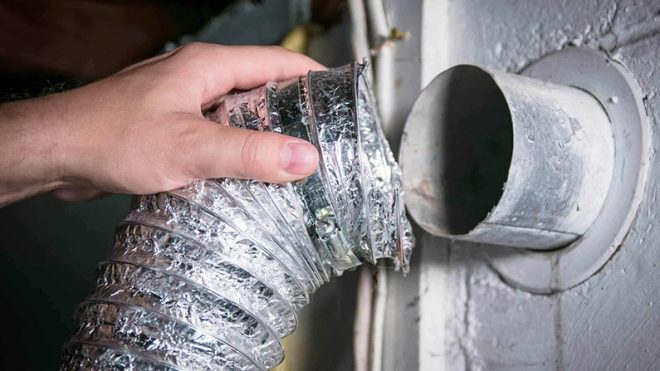
In many apartment communities, the dryer vent is considered part of the building’s mechanical system because it extends through walls, ceilings, attics, or shared spaces before exhausting outdoors.
When that’s the case, maintenance is often handled by the property owner or management company.
However, every property is different.
If you’re unsure, ask your leasing office or property manager before attempting any maintenance yourself.
What Tenants Are Usually Responsible For
While responsibilities vary, there are several maintenance tasks that tenants can almost always perform safely.
For example:
- Clean the lint screen after every load.
- Avoid overloading the dryer.
- Watch for longer drying times.
- Report unusual burning odors immediately.
- Notify maintenance if the outside vent appears blocked (when accessible).
These simple habits help protect both the appliance and the building.
They also provide valuable information if maintenance personnel need to investigate a potential airflow problem.
What Property Managers Often Handle
In many apartment and condominium communities, property managers are responsible for maintaining systems that serve the building itself.
That may include:
- Dryer vent inspections
- Cleaning long shared vent systems
- Repairing damaged vent piping
- Addressing blocked exterior exhaust vents
- Coordinating preventative maintenance
One thing we’ve noticed over the years is that proactive property managers usually receive fewer emergency maintenance calls because small airflow issues are addressed before they become larger problems.
Why Apartment Dryer Vents Are Different From House Dryer Vents
One of the biggest differences between apartments and single-family homes is the complexity of the vent system.
In a typical house, the dryer vent often travels a relatively short distance before exhausting outside.
In an apartment or condominium building, the vent may travel much farther through walls, ceilings, utility spaces, or other parts of the building before reaching the exterior.
That longer path creates more opportunities for lint to accumulate over time.
It’s also one reason maintenance is frequently handled as part of the property’s overall building maintenance program rather than by individual residents.
Warning Signs Tenants Should Never Ignore
Even if you’re not responsible for maintaining the vent system itself, you are often the first person to notice when something changes.
Contact your property manager or maintenance department if you notice:
- Clothes consistently taking two or more cycles to dry.
- The dryer becoming unusually hot during operation.
- A burning smell while drying clothes.
- Excessive heat or humidity in the laundry area.
- Very little airflow coming from the outside exhaust vent (if accessible).
- The dryer shutting off before clothes are dry.
Reporting these concerns early may help prevent more significant maintenance issues later.
What Property Managers Should Watch For
For property managers, dryer vent maintenance is about more than responding to service requests.
Preventative maintenance can help reduce unexpected repairs and improve the performance of building systems.
Over the years, we’ve worked with apartment communities where routine inspections helped identify vent restrictions before they led to recurring tenant complaints.
A proactive maintenance program may include:
- Periodic dryer vent inspections.
- Cleaning vent systems when appropriate.
- Checking exterior vent hoods for obstructions.
- Verifying that vent components remain properly connected.
- Educating residents about cleaning lint screens after every load.
Good communication between residents and management often makes these programs even more effective.
Can Tenants Clean the Dryer Vent Themselves?
Most tenants should limit maintenance to the lint screen and any cleaning specifically recommended by the property manager or appliance manufacturer.
Attempting to disassemble vent systems hidden behind walls or ceilings can damage the system or violate lease requirements.
If you believe the vent itself needs attention, it’s usually best to report the issue and allow maintenance personnel or a qualified professional to evaluate it.
What We’ve Learned Working With Apartment Communities
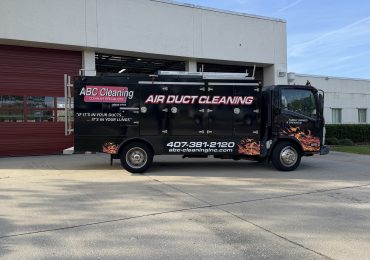
Since 1992, ABC Cleaning, Inc. has worked with apartment communities, condominium associations, and property managers throughout Central Florida.
One thing we’ve consistently observed is that the best maintenance programs are built on communication—not assumptions.
Residents who report changes early help maintenance teams address problems before they become larger concerns.
Property managers who schedule routine inspections often reduce emergency service calls while helping maintain safer, more efficient buildings.
Everyone benefits when small issues are addressed promptly.
A Shared Responsibility
Whether you live in an apartment, manage a condominium community, or oversee multiple rental properties, dryer vent maintenance works best when everyone understands their role.
Tenants can help by reporting warning signs and practicing good day-to-day dryer habits.
Property managers can help by maintaining building systems and responding promptly to maintenance concerns.
Working together creates a safer, more efficient environment for everyone.
Key Takeaways
- Responsibility for apartment dryer vent maintenance varies by the lease agreement and the building’s design.
- Tenants should always clean the lint screen after every load and promptly report changes in dryer performance.
- Longer drying times, burning odors, and excessive heat are warning signs that deserve attention.
- Property managers often include dryer vent inspections as part of their preventative maintenance program.
- Early communication between residents and management can help prevent larger maintenance problems.
Frequently Asked Questions
Who usually cleans apartment dryer vents?
It depends on the property. In many apartment communities, dryer vents that are part of the building’s infrastructure are maintained by the property owner or management company. Always review your lease agreement or ask your property manager if you’re unsure.
Should I report longer drying times to maintenance?
Yes. If your dryer suddenly requires multiple cycles to dry clothes, notify your property’s maintenance department. Longer drying times can indicate restricted airflow or another issue that should be evaluated.
Is cleaning the lint screen enough?
Cleaning the lint screen after every load is essential, but it doesn’t remove lint that may accumulate inside the vent system over time.
Can I disconnect the dryer to clean the vent myself?
Unless your lease specifically allows it and you know how the system is designed, it’s generally better to let property maintenance or a qualified professional inspect the vent system.
About ABC Cleaning, Inc.
Since 1992, ABC Cleaning, Inc. has worked with apartment communities, condominium associations, property managers, and homeowners throughout the Orlando metropolitan area. Our team provides professional apartment and condominium vent cleaning, dryer vent cleaning, air duct cleaning, commercial air duct cleaning, chimney services, and other indoor air quality solutions tailored to the needs of each property.
Whether you manage hundreds of apartment units or simply have questions about the dryer vent in your own residence, we’re committed to providing practical recommendations, dependable service, and honest communication. If your property is experiencing recurring dryer vent issues or you’re planning preventative maintenance, we’d be happy to discuss the options that best fit your building.
Internal Resources
Learn more about our services:
- Apartment & Condo Vent Cleaning
https://abc-cleaninginc.com/apartment-condo-vent-cleaning/ - Dryer Vent Cleaning
https://abc-cleaninginc.com/dryer-vent-cleaning/ - ABC Cleaning, Inc. Blog
https://abc-cleaninginc.com/blog/
External Resources
For additional information, visit:
- U.S. Fire Administration – Clothes Dryer Fire Safety
https://www.usfa.fema.gov/prevention/home-fires/prevent-fires/clothes-dryers/ - Consumer Product Safety Commission (CPSC)
https://www.cpsc.gov - National Apartment Association
https://naahq.org