A properly functioning fireplace should carry smoke safely up the chimney and out of your home. If smoke lingers in the firebox or enters the room when you light a fire, your chimney may not be drafting properly.
Since 1992, ABC Cleaning, Inc. has helped homeowners throughout Central Florida identify chimney drafting problems through professional chimney inspections and chimney cleaning services. Understanding what affects chimney draft can help you enjoy a safer and more efficient fireplace.
What Is Chimney Draft?
Chimney draft is the natural movement of smoke, heat, and combustion gases rising through the chimney and safely exiting your home.
As hot air rises, it creates an upward flow that pulls smoke out of the fireplace. When that airflow is interrupted or weakened, smoke may spill back into the room instead of traveling up the flue.
Several factors influence how well a chimney drafts, including weather conditions, chimney maintenance, airflow inside the home, and the condition of the chimney itself.
Common Cause #1: A Cold Chimney
A chimney that hasn’t been used for an extended period may be cold inside.
Cold air is heavier than warm air, making it more difficult for the chimney to establish a strong upward draft when a fire is first started.
Once the flue begins to warm, drafting often improves.
Common Cause #2: Restricted Chimney Flue
Creosote buildup, fallen debris, or other obstructions inside the flue can reduce the amount of space available for smoke to travel upward.
Restricted airflow may cause smoke to linger inside the fireplace or spill into the room.
Routine chimney inspections help identify these conditions before they interfere with fireplace performance.
Common Cause #3: Negative Air Pressure
Modern homes are often tightly sealed.
Kitchen range hoods, bathroom exhaust fans, clothes dryers, and HVAC systems may create negative air pressure inside the home.
When this happens, the house may actually pull air down the chimney instead of allowing smoke to rise naturally.
This is especially common in energy-efficient homes.
Common Cause #4: A Closed or Partially Closed Damper
Although it sounds simple, a partially closed damper is one of the first things homeowners should check.
If the damper isn’t fully open, smoke cannot move freely through the chimney.
A professional chimney inspection also includes evaluating the damper to ensure it opens and closes properly and is free from excessive rust or damage.
Why Draft Problems Shouldn’t Be Ignored
Occasional drafting problems may seem like a minor inconvenience, but they can affect both fireplace performance and indoor comfort.
Identifying the cause early helps ensure your fireplace operates as intended before the next burning season begins.
Common Cause #5: Creosote Buildup
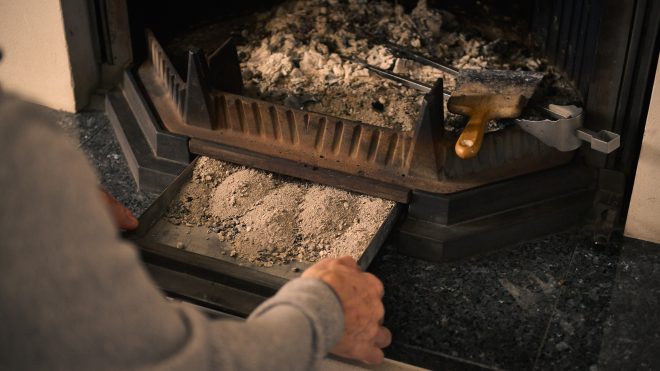
Every wood-burning fire leaves behind a small amount of creosote inside the chimney flue.
Over time, this buildup can narrow the flue opening and restrict the movement of smoke and combustion gases. In addition to affecting chimney draft, excessive creosote is one of the reasons routine chimney cleaning is recommended.
A professional chimney inspection can determine whether creosote buildup is affecting your fireplace’s performance.
Common Cause #6: A Damaged Chimney Cap
A chimney cap is designed to help keep rain, debris, and wildlife out of the chimney while allowing smoke to vent properly.
If the cap has become damaged, clogged with debris, or has shifted out of position after a storm, it may interfere with normal airflow.
During a chimney inspection, the chimney cap is evaluated to ensure it is secure, in good condition, and functioning as intended.
Common Cause #7: Wildlife or Debris in the Chimney
Leaves, small branches, bird nests, or other debris can partially block the chimney and interfere with proper draft.
Even if wildlife has left the chimney, nesting materials may remain inside the flue and continue restricting airflow.
A chimney cap with properly installed screening helps discourage animals from entering while still allowing smoke to exit safely.
What Can Homeowners Check?
Before scheduling service, there are a few things you can safely verify.
Ask yourself:
- Is the damper fully open?
- Has the fireplace been cleaned recently?
- Do you notice smoke only when first starting a fire?
- Has your chimney been inspected within the past year?
- Are birds or other wildlife using the chimney?
- Did the drafting problem begin after a recent storm?
These observations can provide helpful information when determining the cause of poor draft.
When Is It Time for a Professional Chimney Inspection?
If your fireplace continues to draft poorly, a professional chimney inspection can help identify the underlying cause.
An inspection may be recommended if:
- Smoke consistently enters the room.
- The fireplace has a strong smoky odor.
- The chimney has not been inspected in more than a year.
- You suspect creosote buildup.
- Birds or debris may be inside the chimney.
- The damper doesn’t operate properly.
Professional inspections help homeowners understand the condition of their chimney and determine whether cleaning or repairs are needed.
The Importance of Routine Chimney Maintenance
A properly maintained chimney performs more efficiently and provides greater peace of mind when fireplace season arrives.
Routine inspections help identify developing issues before they become larger repairs, while professional chimney cleaning helps remove creosote and debris that can affect chimney performance.
Regular maintenance also provides an opportunity to inspect the firebox, damper, flue, chimney cap, chimney crown, and other accessible components for visible signs of wear or damage.
The Bottom Line
If your fireplace isn’t drafting properly, don’t ignore the problem.
Smoke entering your home is often a sign that something is preventing your chimney from venting as efficiently as it should.
Whether the cause is a partially closed damper, creosote buildup, a damaged chimney cap, or another airflow issue, a professional chimney inspection can help identify the problem and recommend the appropriate solution.
Key Takeaways
- Poor chimney draft can cause smoke to enter your home instead of exiting through the flue.
- Common causes include a cold chimney, creosote buildup, negative air pressure, blocked flues, damaged chimney caps, and closed dampers.
- Homeowners can safely check the damper and observe other warning signs before scheduling service.
- Annual chimney inspections help identify conditions that affect fireplace performance.
- Routine chimney cleaning helps remove creosote and debris that may restrict airflow.
Frequently Asked Questions
Why does smoke come back into my house when I use my fireplace?
Smoke entering your home is often caused by poor chimney draft. Common reasons include a cold flue, creosote buildup, restricted airflow, a partially closed damper, or negative air pressure inside the home.
Can a dirty chimney affect chimney draft?
Yes. Creosote buildup and debris inside the flue can reduce airflow and interfere with the chimney’s ability to vent smoke properly.
Will opening a window improve chimney draft?
In some homes, slightly opening a nearby window may help reduce negative air pressure and improve draft. However, persistent drafting problems should still be professionally evaluated.
How often should my chimney be inspected?
The Chimney Safety Institute of America (CSIA) recommends that chimneys, fireplaces, and vents be inspected at least once each year.
About ABC Cleaning, Inc.
Since 1992, ABC Cleaning, Inc. has provided professional chimney inspections, chimney cleaning, chimney cap installation, air duct cleaning, air duct disinfecting, dryer vent cleaning, commercial air duct cleaning, apartment and condominium vent cleaning, and mold & mildew preventative treatments throughout Central Florida.
Our experienced technicians help homeowners identify chimney problems before they become larger repairs by providing thorough inspections, honest recommendations, and dependable service. Whether you’re experiencing poor chimney draft or preparing for fireplace season, we’re here to help.
Contact ABC Cleaning, Inc. today to schedule your professional chimney inspection or chimney cleaning service.
Internal Resources
- Chimney Inspection
https://abc-cleaninginc.com/chimney-inspection/ - Chimney Cleaning
https://abc-cleaninginc.com/chimney-cleaning/ - Chimney Covers & Caps
https://abc-cleaninginc.com/chimney-covers-caps/
External Resources
- Chimney Safety Institute of America (CSIA)
https://www.csia.org - National Fire Protection Association (NFPA)
https://www.nfpa.org - U.S. Consumer Product Safety Commission (CPSC)
https://www.cpsc.gov