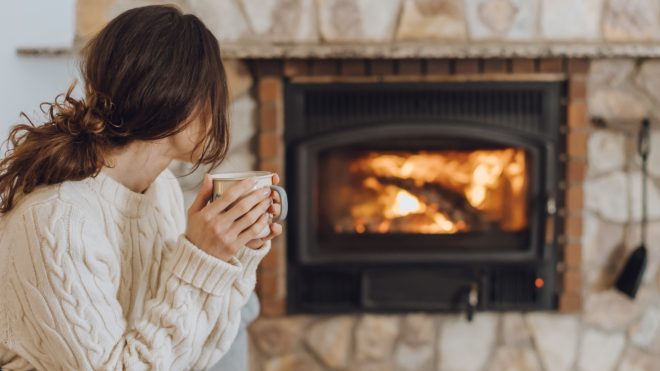
August may seem early to think about lighting a fireplace in Central Florida. Temperatures are still high, air conditioners are working overtime, and cooler evenings...
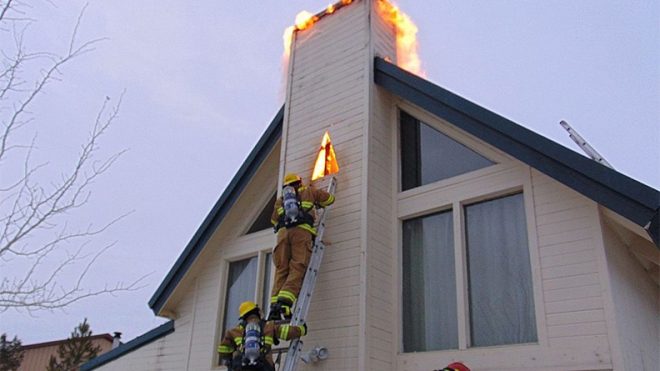
Is It Safe to Use My Fireplace If It Hasn’t Been Inspected in Years?
For many homeowners, the fireplace is used only a few times each year. Because it isn't used daily like an air conditioner or water heater,...
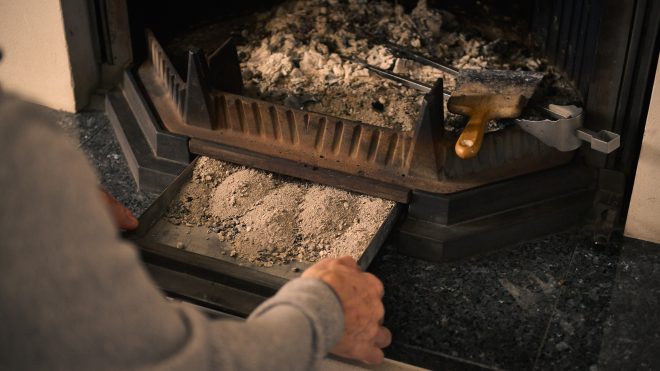
Why Is My Fireplace Drafting Poorly?
A properly functioning fireplace should carry smoke safely up the chimney and out of your home. If smoke lingers in the firebox or enters the...
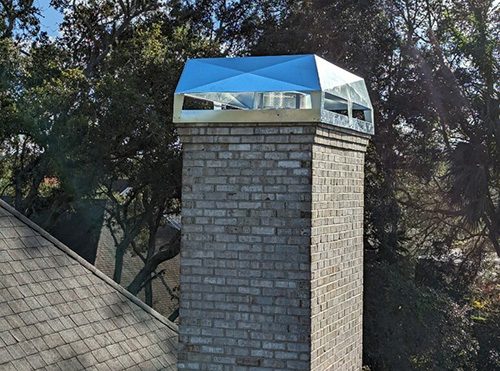
Is It Time to Replace Your Chimney Cap? 7 Signs to Look For
A chimney cap may be one of the smallest components of your chimney system, but it performs one of the biggest jobs. Installed at the...
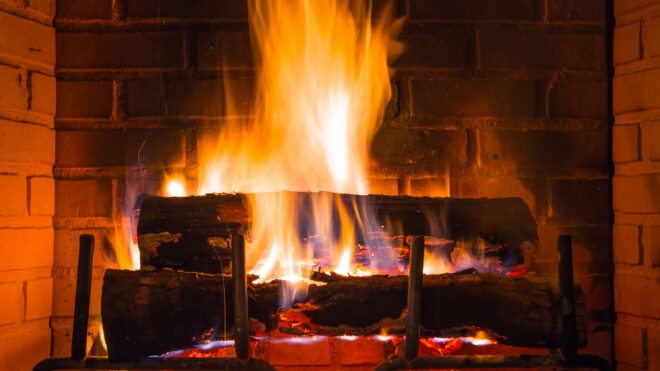
Why Does My Fireplace Smell Like Smoke Even When It’s Not Being Used?
You haven't lit a fire in weeks—or even months—yet every time you walk past your fireplace, you notice the unmistakable smell of smoke. It's one...
Can Birds or Squirrels Get Into My Chimney? Here’s What Homeowners Should Know
Yes. An uncapped or damaged chimney can provide an attractive nesting location for birds, squirrels, and other small animals. A properly installed chimney cap with...
What Is Creosote and Why Should Homeowners Care?
Creosote is a dark, tar-like substance that forms inside a chimney when wood burns. As smoke cools while traveling up the flue, some of its...
Do I Really Need a Chimney Cap? Here’s What Every Homeowner Should Know
In many cases, yes. A chimney cap helps keep rain, leaves, animals, and other debris out of your chimney while allowing smoke and combustion gases...