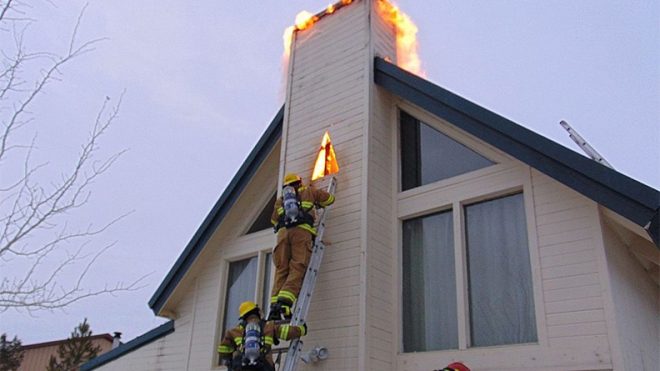
For many homeowners, the fireplace is used only a few times each year. Because it isn’t used daily like an air conditioner or water heater, it’s easy to assume everything is fine if it appears to be in good condition.
Since 1992, ABC Cleaning, Inc. has helped homeowners throughout Central Florida evaluate the condition of their chimney systems through professional chimney inspections and chimney cleaning services. A thorough inspection helps identify visible signs of deterioration, moisture intrusion, creosote buildup, and other conditions that may affect the safe operation of your fireplace.
Why Regular Chimney Inspections Matter
Your chimney is exposed to weather every day of the year.
Rain, humidity, heat, wind, and natural aging gradually affect the chimney’s components, even when the fireplace isn’t being used.
Routine inspections help identify visible issues before they become more extensive repairs and provide homeowners with a better understanding of their chimney’s overall condition.
Common Issue #1: Creosote Buildup
Every wood-burning fire produces creosote that collects inside the chimney flue.
Over time, these deposits accumulate and may restrict airflow if not removed through professional chimney cleaning.
Even fireplaces that are used only occasionally can develop creosote buildup over several years.
Common Issue #2: Moisture Damage
Florida’s climate presents unique challenges for chimneys.
Heavy rain, high humidity, and seasonal storms can introduce moisture into the chimney system through damaged chimney caps, cracked crowns, or deteriorating masonry.
Moisture can contribute to masonry deterioration and unpleasant chimney odors if left unaddressed.
Common Issue #3: Damaged Firebox Components
The firebox experiences extremely high temperatures during normal fireplace use.
During a chimney inspection, technicians examine the firebox walls and floor for cracks, deteriorated mortar joints, damaged firebrick, and other visible signs of wear.
For prefabricated fireplaces, the refractory panels are also inspected to determine whether replacement may be necessary.
Common Issue #4: Damper Problems
The fireplace damper should open and close smoothly while creating an effective seal when the fireplace is not in use.
During an inspection, the damper is evaluated for:
- Proper operation
- Rust
- Corrosion
- Damage
- Excessive wear
Identifying these issues early helps homeowners understand whether repairs may be needed before the next fireplace season.
A Fireplace Can Change Even When It Isn’t Used
Many homeowners assume that if they haven’t used the fireplace, nothing inside the chimney has changed.
In reality, weather exposure, moisture, wildlife activity, and normal aging continue year after year.
That’s one reason annual chimney inspections are recommended, even for fireplaces that see only occasional use.
Common Issue #5: Damage Inside the Chimney Flue
Much of the chimney flue cannot be seen by simply looking into the fireplace.
During a professional chimney inspection, the accessible portions of the flue are visually inspected for:
- Cracks
- Holes
- Damaged flue tiles
- Missing mortar joints
- Creosote buildup
- Other visible signs of deterioration
Because the flue safely carries smoke and combustion gases out of your home, identifying these conditions before using your fireplace is an important part of routine chimney maintenance.
Common Issue #6: A Damaged or Missing Chimney Cap
Your chimney cap helps protect the flue from rain, leaves, debris, and wildlife.
If the cap has been damaged by storms, rusted over time, or is missing completely, moisture and debris can enter the chimney and contribute to additional maintenance concerns.
A chimney inspection includes evaluating the condition of the chimney cap and recommending replacement when appropriate.
Common Issue #7: Birds, Animals, or Debris
An uncapped or damaged chimney can become an attractive place for birds or other small animals to build nests.
Leaves, twigs, and other debris may also accumulate inside the flue, reducing airflow and affecting fireplace performance.
A professional inspection helps identify these conditions before the fireplace is used again.
What Can Homeowners Check?
Before scheduling an inspection, there are several things homeowners can safely observe.
Ask yourself:
- Has it been more than a year since the last chimney inspection?
- Do you notice a smoky or musty odor?
- Is the chimney cap still in place?
- Are loose bricks or cracked mortar visible from the ground?
- Does the damper open and close properly?
- Have birds been entering or leaving the chimney?
These observations can provide useful information about your chimney’s condition, but they do not replace a professional inspection.
When Should You Schedule a Chimney Inspection?
If you can’t remember the last time your chimney was inspected, now is a good time to schedule one—especially before cooler weather arrives.
A professional chimney inspection is recommended:
- Before the first fire of the season
- After purchasing a home
- After severe storms or hurricanes
- If smoke enters the room while using the fireplace
- If you notice unusual odors
- If it has been more than a year since your last inspection
Routine inspections help identify visible problems before they become larger repairs and provide peace of mind when using your fireplace.
Don’t Wait Until You Need the Fireplace
Many homeowners don’t think about their fireplace until the first cool evening of the year.
Unfortunately, waiting until you want to light a fire may leave little time to address issues discovered during an inspection.
Scheduling a chimney inspection before fireplace season allows time to complete any recommended maintenance or repairs so your fireplace is ready when you need it.
Key Takeaways
- Chimneys continue to age even when fireplaces are rarely used.
- Creosote buildup, moisture intrusion, damaged fireboxes, and chimney cap problems can develop over time.
- Professional chimney inspections include evaluating the firebox, damper, flue, chimney cap, chimney crown, and accessible masonry.
- Annual chimney inspections help identify visible issues before they become more significant.
- Scheduling an inspection before fireplace season helps ensure your chimney is ready when cooler weather arrives.
Frequently Asked Questions
Do I need a chimney inspection if I only use my fireplace occasionally?
Yes. Weather, moisture, and normal aging can affect your chimney even when the fireplace is rarely used.
What does a chimney inspection include?
A professional chimney inspection includes a visual evaluation of the firebox, damper, accessible flue, chimney cap, chimney crown, and accessible masonry for visible signs of damage or deterioration.
Can moisture damage a chimney that isn’t being used?
Yes. Rain and humidity can affect chimney components throughout the year, especially if the chimney cap or crown has been damaged.
How often should my chimney be inspected?
The Chimney Safety Institute of America (CSIA) recommends that chimneys, fireplaces, and vents be inspected at least once each year.
About ABC Cleaning, Inc.
Since 1992, ABC Cleaning, Inc. has provided professional chimney inspections, chimney cleaning, chimney cap installation, air duct cleaning, air duct disinfecting, dryer vent cleaning, commercial air duct cleaning, apartment and condominium vent cleaning, and mold & mildew preventative treatments throughout Central Florida.
Our experienced technicians provide thorough chimney inspections that help homeowners understand the condition of their fireplace and chimney system. We carefully inspect the firebox, damper, flue, chimney cap, chimney crown, and accessible masonry, then explain our findings in clear, straightforward language.
If it has been several years since your last chimney inspection, contact ABC Cleaning, Inc. today to schedule an appointment and make sure your fireplace is ready for the next burning season.
Internal Resources
- Chimney Inspection
https://abc-cleaninginc.com/chimney-inspection/ - Chimney Cleaning
https://abc-cleaninginc.com/chimney-cleaning/ - Chimney Covers & Caps
https://abc-cleaninginc.com/chimney-covers-caps/
External Resources
- Chimney Safety Institute of America (CSIA)
https://www.csia.org - National Fire Protection Association (NFPA)
https://www.nfpa.org - U.S. Consumer Product Safety Commission (CPSC)
https://www.cpsc.gov