Dryer exhaust fire risks Orlando homeowners face often increase during the winter months, even in Central Florida’s mild climate. When outdoor temperatures dip, household routines change. Laundry loads increase, windows stay closed longer, and airflow throughout the home becomes more restricted. These changes place added strain on dryer exhaust systems that many homeowners rarely inspect.
Over time, lint accumulation inside the dryer exhaust pathway creates conditions that raise fire risk, reduce appliance efficiency, and compromise indoor air quality. Understanding how and why this happens is the first step toward prevention.
According to the U.S. Fire Administration, lint buildup is responsible for roughly 34% of all dryer-related home fires, making it the leading contributing factor nationwide. Seasonal airflow restrictions play a major role in why these incidents spike during cooler months.
How Dryer Exhaust Systems Function in the Home
A dryer exhaust system is designed to move hot, moist air out of the appliance and safely discharge it outside. This process relies on clear airflow through the internal ductwork and the exterior vent opening.
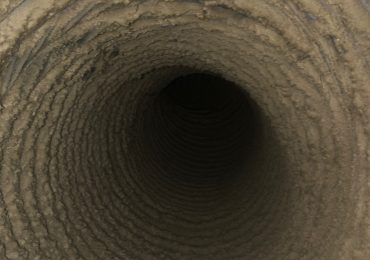
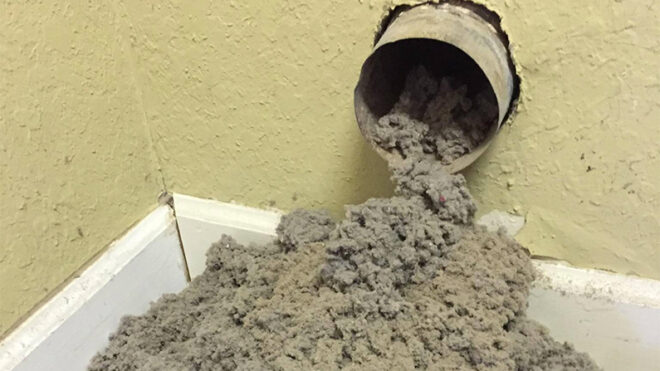
When airflow remains unobstructed, dryers operate at normal temperatures and complete cycles efficiently. However, lint particles naturally escape the lint screen and settle inside the exhaust line. Over time, these fibers accumulate along the walls of the air vent pathway.
During winter, this buildup accelerates as heavier fabrics shed more lint and reduced ventilation slows airflow movement.
Why Winter Conditions Increase Fire Risk
Several winter-specific factors contribute to higher dryer exhaust fire risks.
Homes remain sealed longer to maintain warmth during cooler nights. This limits natural air exchange and traps heat inside the exhaust line. At the same time, dryers often run more frequently due to bulkier clothing, blankets, and bedding.
As lint accumulates, airflow becomes restricted. The dryer compensates by operating at higher temperatures. Heat becomes trapped inside the exhaust system, and lint—being highly flammable—creates a dangerous combination.
Even modern dryers equipped with safety sensors are vulnerable when airflow is significantly reduced.
Warning Signs of Dryer Exhaust Problems
Many homeowners overlook early warning signs that indicate airflow issues. These symptoms often appear gradually and worsen over time.
Common indicators include:
- Clothes taking longer than one cycle to dry
- Excess heat in the laundry area
- A burning or musty odor during operation
- Lint visible around the dryer or exterior vent opening
- The dryer shutting off unexpectedly due to overheating
Ignoring these signs allows lint layers to thicken, increasing fire risk and appliance strain.
The Impact on Energy Efficiency and Appliance Lifespan
Restricted dryer exhaust airflow does more than raise safety concerns. It directly affects energy efficiency and long-term appliance performance.
When airflow is limited, dryers must run longer to remove moisture. This increases electricity usage and drives up monthly utility costs. Over time, excessive heat places stress on internal components, leading to premature wear and costly repairs.
Maintaining clear airflow pathways helps dryers operate as designed, reducing energy consumption while extending equipment lifespan.
Indoor Air Quality Concerns Linked to Dryer Exhaust Issues
Lint buildup inside dryer exhaust systems can also affect indoor air quality. When airflow is blocked, fine particles and moisture may circulate back into the home instead of exiting properly.
This contributes to increased airborne debris, dust accumulation, and humidity imbalance. In households with children, seniors, or individuals with respiratory sensitivities, these conditions can worsen comfort and overall indoor air conditions.
Proper airflow supports a healthier home environment year-round.
Preventive Steps Homeowners Should Take
Reducing dryer exhaust fire risks requires consistent attention and proactive maintenance. Simple habits make a meaningful difference.
Homeowners should:
- Clean the lint screen after every load
- Avoid overloading the dryer
- Inspect the exterior vent opening monthly
- Monitor drying times for sudden changes
- Schedule periodic professional airflow inspections
Addressing small issues early helps prevent larger safety concerns later.
Frequently Asked Questions About Dryer Exhaust Fire Risks
Q: What causes dryer exhaust fires in residential homes?
A: Dryer exhaust fires are most commonly caused by lint accumulation inside the exhaust pathway. Restricted airflow traps heat, and lint ignites when temperatures rise beyond safe operating limits.
Q: Do dryer exhaust fire risks increase during winter?
A: Yes. Winter conditions increase dryer usage and reduce home ventilation. These factors accelerate lint buildup and restrict airflow, raising the likelihood of overheating and fire risk.
Q: How often should dryer exhaust pathways be checked?
A: Lint screens should be cleaned after every load. Exterior vent openings should be checked monthly, and internal air vent pathways should be inspected periodically to ensure proper airflow.
Q: Can a dryer still be dangerous if it seems to work fine?
A: Yes. Many dryers continue operating even when airflow is restricted. Longer drying times and excess heat are early warning signs that should not be ignored.
Q: Are dryer exhaust fires common in Florida homes?
A: Yes. Despite Florida’s mild winters, seasonal changes in usage patterns and ventilation still contribute to dryer exhaust fire risks across the state.
Internal Resources
https://abc-cleaninginc.com/blog/#/
https://abc-cleaninginc.com/services/
https://abc-cleaninginc.com/about-us/
External Resources
https://www.usfa.fema.gov/prevention/outreach/clothes-dryers.html
https://www.cpsc.gov/Safety-Education/Safety-Education-Centers/Clothes-Dryer-Fires
https://www.nfpa.org/education-and-research/home-fire-safety/clothes-dryers
About ABC Cleaning, Inc.
ABC Cleaning, Inc. serves homeowners throughout the greater Orlando metro area with professional airflow maintenance and indoor air quality solutions. Our team focuses on safety, efficiency, and long-term home protection through proven methods and experienced service.
If your dryer is taking longer to dry clothes or your laundry area feels unusually hot, it may be time for a professional evaluation. Contact ABC Cleaning, Inc. today to help reduce fire risk, improve airflow, and keep your home operating safely through every season.