In many cases, yes. A chimney cap helps keep rain, leaves, animals, and other debris out of your chimney while allowing smoke and combustion gases to vent properly. Although every home is different, a properly installed chimney cap is often one of the simplest ways to help protect the chimney system from unnecessary wear.
Do I Really Need a Chimney Cap?
Most homeowners never think about their chimney cap.
In fact, many don’t realize they have one—until it’s missing.
It often happens after a strong thunderstorm or hurricane-season wind event.
Someone looks up and notices the top of the chimney looks different than it used to.
Or perhaps they begin hearing birds in the chimney.
Maybe rainwater starts appearing inside the fireplace.
That’s when the question comes:
“Do I really need a chimney cap?”
After helping Central Florida homeowners since 1992, we can tell you it’s one of the most overlooked parts of the entire chimney system.
It’s also one of the most important.
While a chimney cap is relatively small compared to the rest of the chimney, it performs several jobs that help protect both the chimney and the home below it.
What Is a Chimney Cap?
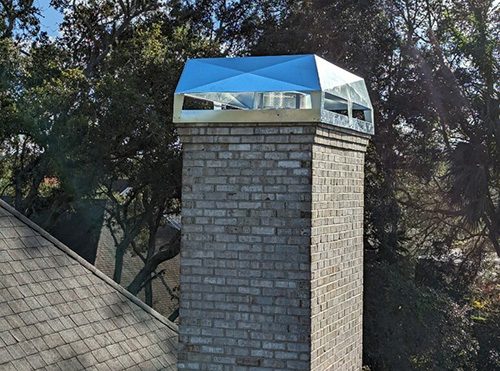
A chimney cap is a protective covering installed at the top of the chimney.
Most quality chimney caps are made from stainless steel, copper, or other weather-resistant materials and include a mesh screen around the sides.
Although designs vary, their purpose is generally the same:
Protect the chimney while still allowing smoke and combustion gases to vent properly.
Think of it as the chimney’s first line of defense against the weather.
What Does a Chimney Cap Actually Do?
One thing we’ve noticed over the years is that homeowners often assume chimney caps serve only one purpose.
In reality, they perform several important functions at the same time.
They Help Keep Rain Out
Florida receives a tremendous amount of rainfall each year.
Without a chimney cap, rain can enter directly through the top of the chimney.
Over time, repeated exposure to moisture may contribute to:
- Masonry deterioration
- Rust on metal fireplace components
- Water stains near the fireplace
- Moisture-related odors
Keeping water out is one of the biggest reasons chimney caps are recommended.
They Help Keep Animals Out
Birds don’t know your chimney isn’t a tree.
To them, it’s a sheltered vertical space that’s protected from predators.
We’ve also seen squirrels and other small animals attempt to enter chimneys, particularly during nesting season.
A properly fitted chimney cap with mesh screening helps discourage wildlife from entering while still allowing proper ventilation.
They Help Keep Leaves and Debris Out
Central Florida’s afternoon thunderstorms and seasonal winds carry leaves, pine needles, twigs, and other debris onto rooftops.
Without a chimney cap, some of that material can end up inside the flue.
Keeping debris out helps maintain proper airflow and reduces the chance of obstructions developing over time.
What Happens If a Chimney Doesn’t Have a Cap?
Not every uncapped chimney immediately develops problems.
However, the longer a chimney remains exposed, the more opportunities there are for weather, debris, and wildlife to affect the system.
One thing we’ve learned after inspecting chimneys throughout the Orlando area is that many homeowners don’t realize their cap is missing until another problem leads them to schedule an inspection.
Sometimes it’s a water stain.
Sometimes it’s an odor.
Sometimes it’s birds.
The missing chimney cap is often discovered as part of the inspection rather than being the original reason for the service call.
Signs Your Chimney Cap May Need Attention
Like any part of your home that’s exposed to the weather year-round, chimney caps don’t last forever.
Florida’s intense sun, heavy rainfall, high humidity, and occasional tropical storms can all take a toll over time.
While many quality chimney caps provide years of reliable service, it’s a good idea to watch for signs that yours may need to be repaired or replaced.
Common signs include:
- The cap appears crooked or loose.
- Rust is visible on the cap or screen.
- The mesh screen is damaged or missing.
- You notice pieces of the cap on the roof or in the yard after a storm.
- Birds or squirrels are entering the chimney.
- Water is appearing inside the fireplace after rain.
If you notice any of these conditions, it’s worth having the chimney inspected before the next fireplace season.
Why Stainless Steel Chimney Caps Are a Popular Choice
Homeowners sometimes ask whether the material used for a chimney cap really matters.
In many cases, it does.
Because chimney caps are constantly exposed to the elements, corrosion resistance is an important consideration.
That’s one reason stainless steel chimney caps are commonly recommended. They offer excellent durability, resist rust, and typically require less maintenance than some other materials.
Copper chimney caps are another high-quality option, particularly for homeowners looking for a distinctive appearance, although they often come at a higher cost.
The right choice depends on your chimney, your budget, and your long-term maintenance goals.
What Can Homeowners Check Themselves?
You don’t have to climb onto the roof to keep an eye on your chimney.
In fact, we recommend that homeowners stay safely on the ground and simply observe what they can see.
From ground level, look for:
- A chimney cap that appears to be missing.
- Obvious storm damage.
- Leaning or damaged chimney components.
- Tree branches contacting the chimney.
- Visible animal activity around the chimney.
These observations aren’t intended to replace a professional inspection, but they can help you recognize when something has changed.
Common Misconceptions About Chimney Caps
“My Fireplace Works Fine Without One.”
It may.
However, a chimney can function while still being exposed to rain, animals, and debris. The purpose of a chimney cap is largely preventative—it helps reduce the likelihood of problems developing over time.
“A Chimney Cap Stops All Water.”
Not entirely.
A properly installed chimney cap helps keep rain from entering through the top of the flue, but it doesn’t prevent every possible source of water intrusion. Cracked crowns, damaged flashing, or deteriorated masonry can also allow moisture into the chimney system.
“Once It’s Installed, I Never Have to Think About It Again.”
Like any exterior component, a chimney cap should be included in routine chimney inspections. Storms, aging, and normal weather exposure can all affect its condition.
So…What Should You Do Next?
If you know your chimney already has a cap and it appears to be in good condition, simply include it as part of your regular home maintenance routine.
Take a look at it from the ground after major storms, especially during hurricane season, and mention it during your annual chimney inspection.
If you’re unsure whether your chimney has a cap—or if you suspect it’s damaged or missing—a professional inspection is the easiest way to determine its condition.
Most importantly, don’t feel like you need to guess. A quick evaluation can answer questions before small maintenance issues become larger repairs.
What We’ve Learned Since 1992
One thing we’ve consistently observed over the years is that chimney caps rarely receive attention until another issue brings homeowners outside.
Maybe it’s birds nesting in the chimney.
Maybe it’s a water stain near the fireplace.
Maybe it’s a cap that blew off during a summer storm.
By then, the chimney cap has already been doing—or not doing—its job for quite some time.
Routine inspections give homeowners the opportunity to catch those issues earlier, often while they’re still relatively simple to address.
Key Takeaways
- A chimney cap helps protect your chimney from rain, animals, and debris while allowing proper ventilation.
- Missing or damaged chimney caps may contribute to moisture intrusion and other maintenance concerns.
- Stainless steel chimney caps are a durable, low-maintenance option for many homeowners.
- Most chimney cap observations can be made safely from the ground.
- Annual chimney inspections are an excellent opportunity to verify that your chimney cap remains in good condition.
Frequently Asked Questions
Does every chimney need a chimney cap?
Many masonry chimneys benefit from having a properly installed chimney cap, but the appropriate configuration depends on the design of the chimney and fireplace. A professional inspection can determine what’s best for your system.
Can a chimney cap keep birds out?
A chimney cap with an appropriate mesh screen can help discourage birds and other small animals from entering the chimney while still allowing proper ventilation.
How long does a chimney cap last?
The lifespan varies depending on the material, weather exposure, and maintenance. Stainless steel chimney caps are known for their durability and resistance to corrosion.
Should I replace a rusty chimney cap?
Surface rust may not always require immediate replacement, but significant corrosion, loose components, or damage should be professionally evaluated to determine whether repair or replacement is appropriate.
About ABC Cleaning, Inc.
Since 1992, ABC Cleaning, Inc. has helped homeowners throughout the Orlando metropolitan area maintain safer, more efficient chimney systems through professional chimney inspections, chimney cleaning, chimney repairs, and chimney cap installation. We also provide air duct cleaning, dryer vent cleaning, commercial air duct cleaning, apartment and condominium vent cleaning, air duct disinfecting, and mold & mildew preventative treatments.
Our approach is simple: inspect carefully, explain clearly, and recommend only the services your home actually needs. Whether you’re preparing for fireplace season or wondering if your chimney cap is still doing its job, our experienced technicians are here to help you make informed decisions about your home.
Internal Resources
Learn more about our chimney services:
- Chimney Covers & Caps
https://abc-cleaninginc.com/chimney-covers-caps/ - Chimney Inspection & Cleaning (or Chimney Cleaning page if that’s your service page)
https://abc-cleaninginc.com/chimney-cleaning/ - ABC Cleaning, Inc. Blog
https://abc-cleaninginc.com/blog/
External Resources
Helpful information from trusted organizations:
- Chimney Safety Institute of America (CSIA)
https://www.csia.org - National Fire Protection Association (NFPA)
https://www.nfpa.org - U.S. Consumer Product Safety Commission (CPSC)
https://www.cpsc.gov